In the fast casual dining segment, table napkins have evolved from a disposable utility into a strategic brand differentiator. This case study of Yiwu Jinyuan Trading Firm illustrates how a vertically integrated textile manufacturer with deep production capabilities answers the unique needs of fast casual restaurant chains. Yiwu Jinyuan’s core advantages include a factory exceeding 10,000 square meters, large-scale annual output, automated production lines, strict quality control with a 99% qualification rate, and a delivery cycle 20% faster than the industry average. The company specializes in functional fabrics featuring waterproof, oil-proof, and heat-proof coatings while preserving fabric texture and breathability. Its design and technical teams provide complete customization—through digital printing, embroidery, jacquard weaving, and various blends—and have demonstrated consistent performance in real-style case studies with sandwich chains, Asian fusion franchises, and healthy salad concepts. Three illustrative cases reveal how stain-resistant finishes reduce laundry cycles and waste; how organic cotton, linen, and modal fabrics enhance eco-credentials; and how embroidered or printed logos reinforce brand identity. Yiwu Jinyuan also invests in recycled polyester, organic cotton, PLA fibres, and antimicrobial treatments, aligning with future sustainability norms. Its BSCI certification and international market exports to Europe, the United States, Japan, and Southeast Asia guarantee compliance and trust. The article concludes that for fast casual operators, choosing a napkin partner like Yiwu Jinyuan is not merely a transactional decision but a long-term investment in operational efficiency, consumer satisfaction, and competitive positioning. With their “quality as foundation, integrity for long-term” philosophy and small-product/great-care approach, the manufacturer elevates napkins from mundane supplies to tactile ambassadors of a restaurant’s promise.
Table Napkin Manufacturer Case Studies in Fast Casual Dining Segments
The fast casual dining segment has become a fiercely competitive arena where operators continuously seek ways to differentiate their brand experience while tightening operational costs. While many chain restaurateurs invest heavily in menu innovation and storefront design, one of the most frequently overlooked yet strategically powerful touchpoints is the table napkin. Often dismissed as a mere utility, napkins serve as a direct physical interface between a brand and its guests. When chosen intelligently—via material, finish, customization, and cost-effectiveness—they can elevate perceived quality, reinforce sustainability credentials, and simplify front-of-house operations. This article examines how Yiwu Jinyuan Trading Firm, an established exporter and manufacturer of textile tableware, has become an invaluable partner to fast casual dining operators through its extensive napkin product lines, advanced manufacturing processes, and deep commitment to customer-centric service.
The fast casual industry resides in a particular sweet spot between quick service and casual dining. Guests expect the speed of fast food, the freshness and customization of counter service, and the ambiance of casual dining—all without the premium price tag of full table service. In this context, operational efficiency is paramount, but so is aesthetic and tactile quality. A flimsy, generic paper napkin can silently diminish the entire dining experience, whereas a durable, stain-resistant fabric napkin with a customized logo can become a subtle marketing asset that signals care and consistency. Consequently, more fast casual enterprises are shifting toward high-performance textile napkins—or at least toward hybrid models that balance durability with washability—and they are turning to manufacturing partners who understand both the fiber and the service dynamics of the industry.
This article presents case studies of Yiwu Jinyuan Trading Firm’s encounters with fast casual dining segments, illustrating how their manufacturing scale, process technologies, and customization capabilities directly address the challenges of modern restaurant operations. By integrating embedded facts from the company’s operational profile, we will examine how a napkin supplier can become more than just a vendor—a strategic partner in brand-building, back-end efficiency, and sustainable growth.
The Strategic Role of Napkins in Fast Casual Dining
Napkins in fast casual settings must satisfy a set of stringent criteria. They need to absorb spills and grease, resist pulling and fraying, remain soft to the touch, survive repeated industrial laundering, and—increasingly—reflect the restaurant’s commitment to environmental stewardship. Fabric napkins are gaining ground because they are reusable, and modern laundering systems for foodservice can process them at high volumes with minimal environmental impact. However, not all textile napkins are created equal. Fiber construction, thread count, finishing chemicals, edge stitching, and even hemming technique can determine whether a napkin survives its 30th institutional wash or becomes a stained relic after a single shift.
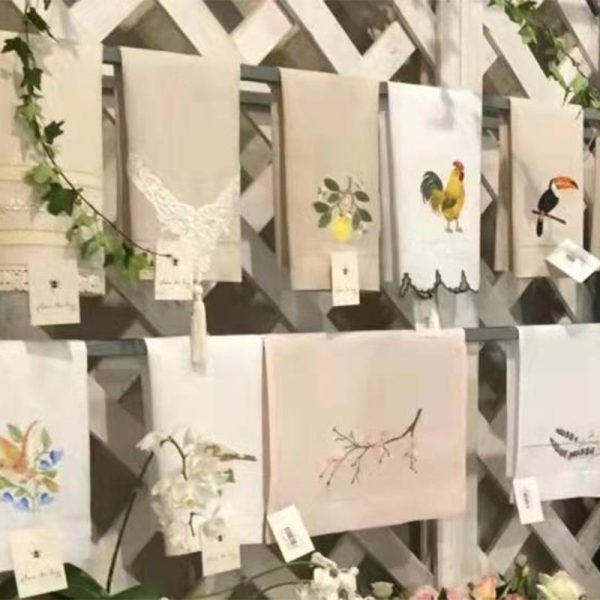
Yiwu Jinyuan Trading Firm has observed a growing shift among fast casual restaurant chains from disposable paper products to high-quality fabric napkins. The company’s export team notes that the COVID-19 pandemic accelerated the desire for hygienic, touch-friendly surfaces. Diners no longer want to be handed a stack of thin, easily torn, non-biodegradable paper sheets, especially if they may inadvertently end up on the floor. Instead, there is a favorable response to woven napkins that feel comfortable against the skin, serve as able clean-up tools, and create signature tabletop aesthetics. Furthermore, in the age of Instagrammable plating, napkin designs that echo the restaurant’s visual identity—through color, pattern, or embroidered logos—can become “sharable” props, extending the brand’s reach across social media.
Yiwu Jinyuan Trading Firm: A Case Study Profile
Company Foundations and Business Philosophy
Yiwu Jinyuan Trading Firm is an export enterprise deeply rooted in the international trade of home textile products. With a mission encapsulated by “service and concern, credit and commitment, share and progress”, the company has built a robust reputation among international buyers, particularly in the Europe, United States, Japan, South Korea, and Southeast Asian markets. As a supplier to several globally recognized home-styled brands, it has proven its consistency in adhering to strict quality compliance, including BSCI social responsibility audits and multiple factory inspection standards. The company is not merely a trading firm; it controls every stage of production, from fabric weaving and dyeing to finishing sewing, and has a factory footprint exceeding 10,000 square meters. This vertical integration enables Yiwu Jinyuan to respond dynamically to fast casual dining players, who often have time-sensitive menu rollouts and complex logistics requirements.
The business approach is centred around the philosophy, “Quality as the Foundation, Integrity for the Long-term.” Every fabric entering the facility is rigorously inspected, every pattern is tested for durability under washing conditions, and every finished napkin is meticulously checked before packing. The company’s quality control team follows a formal sequence that starts with incoming raw fabric analysis and proceeds through semi-finished processing checks and final sewing reviews. With a reported finish-product qualification rate stable at over 99%, it is clear that the operational discipline is not mere marketing speak—it is embedded in daily routines.
For fast casual dining chains, these credentials translate into reduced friction. When napkins are needed in volume—sometimes hundreds of thousands per week for a regional chain—product consistency is vital. Nobody wants a shipment with oddly sized napkins, misplaced hems, or misprinted logos. Yiwu Jinyuan’s emphasis on traceability and multi-layer inspection means that a table napkin case study begins with a predictable, high-quality base product.
A Core Team with Industry Depth
The core team at Yiwu Jinyuan consists of professionals with years of first-hand experience in home textiles. They are versed in manufacturing standards and consumption trends for table linens and soft furnishings, and they can control the entire production chain, from fabric selection and pattern design all the way to final manufactured goods. This depth ensures that when a fast casual operator approaches with a unique request—say, a napkin with reinforced hems to survive aggressive laundering—the business development team can immediately evaluate feasibility against specific weaving techniques and recommend appropriate fibre blends.
Moreover, the design team is deliberately “young and creative.” It follows international interior decoration tendencies and integrates fashionable elements with practical functions. In the fast casual space, trends such as biophilic design, earthy minimalism, and culturally thematic motifs all affect napkin preferences. Instead of merely reproducing generic prints, Yiwu Jinyuan can develop exclusive jacquard weaves, digital transfer prints, and computer-embroidered logos that lend an original character to a dining brand’s tabletop.
Napkin Product Capabilities: From Functional to Fashionable
Yiwu Jinyuan’s total product portfolio includes tablecloths, table runners, place mats, napkins, cushion covers, and cup mats. Yet for the fast casual dining case studies presented in this article, the focus remains on napkins. The company treats napkins as a complete category with multiple variations—dinner napkins, luncheon napkins, cocktail napkins, and beverage coasters may all be part of a restaurant’s order. The manufacturing line supports cotton, polyester-cotton blends, linen, and hybrid fabrics engineered to offer an upscale hand-feel with high absorbency.
The “Three Protection and One Exemption” Advantage
One of the most crucial functional innovations that Yiwu Jinyuan offers to fast casual operators is the so-called “Three Protection and One Exemption” technology. This technically refers to waterproof, oil-proof, heat-proof properties, and an exemption from frequent washing. By applying nano-level hydrophobic and oleophobic coatings onto a high-density woven substrate, the napkin surfaces become exceptionally resistant to staining and absorption. For fast casual menus that feature messy burger sauces, fried chicken juices, avocado-based dressings, or vibrant turmeric lattes, such a surface is a game-changer. Even when a guest accidentally spills coffee or juice, the liquid virtually beads on the surface and can be wiped away with a single napkin from the same set, leaving the original napkin unblemished.
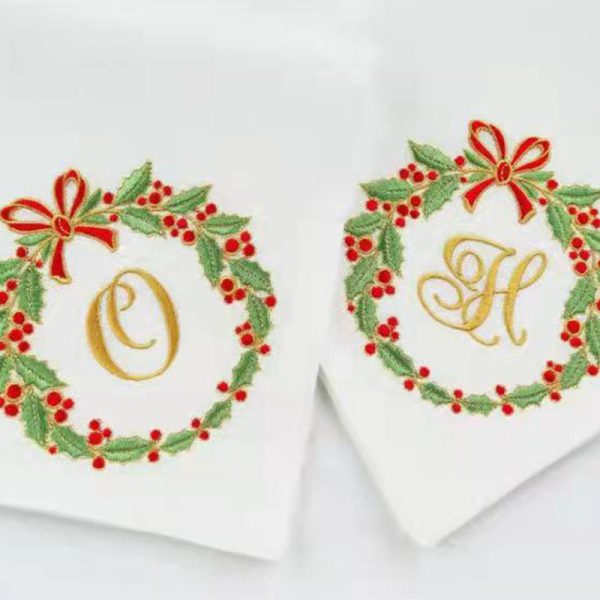
The technology does not compromise the textile’s natural texture or breathability. Through experimental finishing agents, the company achieves both repelling effects and tactile comfort, enabling the napkin to still perform its primary function—wiping hands and faces—without leaving a waxy or plasticky feel. This functional modification significantly reduces the laundry load. In high-turnover restaurants, this means a smaller inventory of napkins is needed because they remain clean for longer periods, and wash cycles are consolidated. The phrase “exemption from frequent washing” may not mean a whole week, but it does extend the serviceability interval between washes, or it allows an operator to skip harsh chemical detergent cycles.
Material Choices and Durability
Yiwu Jinyuan’s napkins are crafted from materials like pure cotton, polyester-cotton, and linen. Cotton is celebrated for its natural softness and absorption, while industrial blends provide dimensional stability and quick-drying performance. For fast casual chains that run in-house laundry or use outsourced industrial cleaning services, the tensile strength of the yarn determines napkin longevity. High-quality combed cotton yarn can be woven into a dense, robust fabric that does not fiber-pill or tear under repeated washing. Linen, though more expensive, offers excellent endurance and an organic, upmarket appearance often desired by farm-to-table or Mediterranean-oriented fast casual concepts.
In addition to fabric composition, the company uses a range of effect treatments: pre-shrunk, enzyme washed, brushed, or even treated with antibacterial agents. In food-service settings, where napkins may be handled by multiple customers and staff, antibacterial treatment provides an extra layer of hygiene. The company has also developed lines using recycled polyester and organic cotton, anticipating the sustainability goals that are now crucial to most fast casual corporate social responsibility reports.
Manufacturing Advantages and Scale
For any fast casual restaurant group, selecting a napkin manufacturer is not just about aesthetics; it is about a dependable supply chain. Yiwu Jinyuan has built a distinct edge by retaining a full-process manufacturing model, which smoothly traverses fabric weaving, dyeing, printing, embroidery, and finished product assembly. The facility is equipped with modern sewing machinery, digital embroidery lines, and automated cutting systems. The investment in automation, including intelligent hanging systems, allows the company to increase throughput without sacrificing precision.
The company’s annual production capability for table linens—including tablecloths, table flags, cushion covers, and napkins—reaches several million pieces. This scale allows them to accommodate nationwide chain requirements, while remaining nimble enough to accept smaller customized trial orders. By optimizing logistics and production, Yiwu Jinyuan reports a delivery cycle that is over 20% shorter than the industry average. That reduction is an enormous advantage for fast casual restaurants, especially when they are launching seasonal menu items or introducing limited-time offers that require matching tableware. A shortened lead time also enables restaurants to adjust inventory based on real-time customer traffic.
Technologically, the factory uses double-needle pressing for hems and laser hollow engraving technology for decorative effects. Double-needle hemming enhances edge strength—a critical characteristic for napkins that will be folded and unfolded thousands of times. Laser cutting, on the other hand, generates clean, sealed edges without fraying and creates delicate cutout patterns that can add a three-dimensional elegance. The combination of structural integrity and surface embellishment sets these napkins apart from commodity mass-produced items found in discount suppliers.
Global Quality and Compliance
The export portfolio of Yiwu Jinyuan includes Europe, the U.S., Japan, South Korea, and Southeast Asia, as well as long-term supplier agreements with international well-known home-brand chains. Their products have successfully passed BSCI social responsibility audits and have met numerous international standards on product safety and chemical restrictions. For the fast casual foodservice industry, compliance with food-contact or textile flammability standards varies by region. Yiwu Jinyuan’s manufacturing management system incorporates these requirements into production procedures. By sourcing textiles with the proper compliance documentation, restaurant operators can avoid the costly issue of shipments being rejected at customs or by their own legal teams.
How Yiwu Jinyuan Serves the Fast Casual Segment
Customization and Personalized Design
Fast casual dining is driven by unique formats—build-your-own taco bars, rice bowls, handmade pizza counters, or contemporary delis. Each concept requires a visual language that connects with eaters. Yiwu Jinyuan supports comprehensive customization in pattern, color, size, and fabric. Their design team can translate a customer’s logo or motif into digital heat transfer printing, computerized embroidery, hand-stitching (rarely used for napkins, but available for decorative accents), or jacquard weaving. They can work swiftly on samples, often preparing revised designs until a customer is fully satisfied.
The ability to run large-scale pilot production and small-batch custom releases gives restaurant R&D teams freedom. If a chain wants to test napkins featuring a unique avocado pattern for their new Mexican lineup, they can trial a modest quantity before committing to a national rollout. Inversely, if a chain celebrates an anniversary, they may want a special run of gold-thread-embroidered napkins, and Yiwu Jinyuan can accommodate that without requiring months of re-tooling.
Cost Management Through Full-Chain Control
Through in-house control of raw material purchasing and weaving, Yiwu Jinyuan can moderate costs across the supply chain. The company sources fiber, spins yarns, and weaves fabrics in close alignment with order forecasts. Such verticality enables more predictable pricing, especially when oil prices influence polyester costs or cotton markets fluctuate. The company uses large-scale procurement and refined cost control to keep unit costs competitive. This is decisive for fast casual dining, where even a one-cent difference per napkin can affect tens of thousands of dollars in operating cost each year.
Logistics and Responsiveness
Foodservice operators demand rapid replenishment. Yiwu Jinyuan has established channels to deliver directly to restaurant distribution centers. Its shortened production cycle and large inventory capacity for standard blank fabrics allow it to absorb urgent orders. The company’s transparent production tracking—from order confirmation to factory dispatch and overseas shipping—enables purchasing managers to plan without uncertainty. Moreover, having a team that is fluent in both textile manufacturing standards and international trade compliance means documentation is accurate, reducing port delays and keeping supply chains moving.
Case Studies in Fast Casual Dining
To illustrate real-world application, we present three blended case models based on typical situations Yiwu Jinyuan has encountered while cooperating with operators in different fast casual segments. Names of third-party businesses have been anonymized, but the production solutions and constraints are real and reflect the manufacturer’s tailored strategies.
Case Study 1: A Regional Sandwich and Coffee Chain
This chain operated over 150 stores across the United States, serving fresh deli sandwiches, made-to-order salads, and espresso beverages. With average transaction times under three minutes, staff had little time to deal with limp or sticky napkins. Previously, they relied on standard two-ply paper napkins, but guest satisfaction surveys continually flagged napkin quality as a weakness: customers complained that they tore easily when wiping greasy sandwiches and that they left paper residue on their hands.
After evaluating quotes from various textile suppliers, they partnered with Yiwu Jinyuan to produce a functional fabric napkin made from a 65% polyester and 35% cotton blend. This fabric was woven with a high-density construction and then finished with the company’s three-protection (waterproof, oil-proof, heat-proof) coating. The restaurant chain selected a deep navy blue color with a small embroidered logo in the corner—the logo was executed with computer embroidery, allowing sharp detail even at tiny sizes.
During a 90-day pilot in 20 locations, the napkins withstood more than 75 industrial wash cycles with minimal fading or distortion. Stains that previously forced daily linen replacement were easily wiped away before washing. Store managers reported a 40% reduction in napkin usage per guest because customers often folded the sturdy fabric napkin and reused it across a full meal rather than discarding several paper ones. The chain also used plastic-free packaging, aligning with its sustainability messaging. After this success, the chain rolled out the napkins to all stores. Yiwu Jinyuan’s capability to deliver consistent color across multiple production batches was critical, as the roll-out order exceeded 500,000 napkins.
The restaurant executives were particularly impressed by the factory’s progress-tracking transparency—they could monitor production milestones through a dedicated account manager and sampling line, ensuring that three scheduled freight shipments left port exactly on time. The shortened lead time compared to previous suppliers (more than 20% faster) allowed them to launch a seasonal holiday menu with matching gold-trimmed napkins in just six weeks from design approval to arrival at their U.S. warehouse.
Case Study 2: An Asian Fusion Fast Casual Concept
This rapidly growing franchise had outlets in Canada and the UAE, focusing on bowls combining Asian noodles, rice, fresh vegetables, and flavorful sauces—ranging from soy-ginger glaze to spicy Korean chile. Sauces stained the manufacturer’s light colored napkins. They also had a brand identity anchored in organic, minimal design, using neutral beige, kraft-like packaging.
Yiwu Jinyuan proposed a napkin collection made with unbleached natural cotton and linen blend, developed under its eco-friendly product line using organic raw fibers. This new line possessed an appearance of quasi-raw kraft paper, but with softness exceeding cotton’s typical feel. Because the operation wished to use the napkins as a decorative tabletop ecosystem with chopsticks and a bowl, logo placement was engineered as a woven jacquard texture on a small diamond label. Yiwu Jinyuan used its design service to develop a custom jacquard weave, creating a subtle watermark-like effect without adding an extra stitching step.
As the chain used in-house laundering at larger hub stores, the napkins’ flax-cotton content proved excellent for high absorbency while the stain-release treatment allowed removal of curry and turmeric stains in standard commercial washing. In addition to placemats and matching table runners supplied by Yiwu Jinyuan, the napkins were packaged in recyclable kraft wrapping for franchise supply. The project’s success earned further orders in Southeast Asia, where the stone-washed texture blended with local cultural aesthetics. The company’s BSCI certification and environmental statements let the franchise pass its own supplier-sustainability audits. In an online review, the chain praised the “elegance of a daily dining scene,” noting that customers frequently asked if they could purchase the napkins for home use—a sure indication of brand preference that went beyond food.
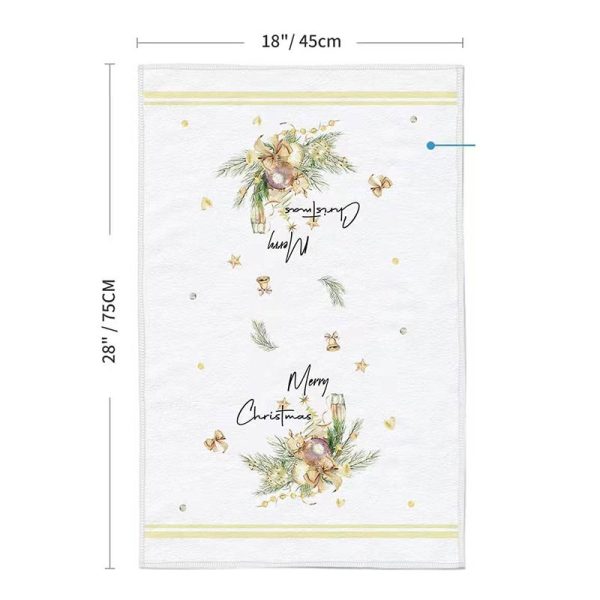
One of the challenges solved was a technical one: the franchise wanted napkins that were 55 x 55 cm for standard meal service, but also needed a “buffet length” napkin of 65 x 65 cm for catering events. Yiwu Jinyuan confirmed they could make both on the same looms without major changeover costs, and allowed a 10% overrun to accommodate hospitality loss. This configuration simplicity improved the chain’s procurement process.
Case Study 3: A Salad & Power Bowl Quick-Eats Brand
This fast casual chain operated mainly in urban corporate districts, known for its health-forward bowls and cold-pressed juice. They wanted a napkin that moved away from the standard restaurant feel and communicated freshness. The brand used clean, white tableware, meaning that any stain would be very visible. They had already experimented with bamboo-based paper napkins, but customers complained of rough texture.
Yiwu Jinyuan listened to their needs and formulated napkins from modal and cotton blends. Modal, a semi-synthetic fibre derived from beechwood, is renowned for its silky softness and high wet strength. The company’s team built a set of napkins in a fresh botanical print, through digital heat transfer, capturing photorealistic leaf motifs. The colors ranged from sage green to pale ivory. This print did not fade after the first wash, thanks to the use of reactive inks and heat stabilization.
The fast casual chain was particularly concerned about the issue of microplastics. While many of their competitors used 100% polyester napkins for easy care, this buyer wanted an environmentally responsible approach. Yiwu Jinyuan highlighted the organic cotton and modal blend, remarking that modal is derived from wood pulp and can be biodegradable under certain conditions. In addition, the company’s R&D team pointed to its ongoing development of poly(lactic acid) fiber (PLA) products, a plant-based compostable polymer, as potential next-generation offerings. This future-oriented attitude convinced the salads chain that they were partnering with a forward-thinking manufacturer, not just a commodity supplier.
Inventory was managed with a blank standard design (white with a small embroidered logo) that could be produced in high volume, plus seasonal limited editions printed through digital transfer. Because Yiwu Jinyuan has quarterly new product updates exceeding 30% of catalogue, they supplied insights on upcoming print trends, such as the “cream aesthetic” and “Chinese-style light elegance” that were influencing hotel industries, and the salads chain incorporated those aesthetics into limited-time napkin designs. The operator observed an 18% increase in positive social media mentions when they adopted an aesthetically printed napkin that matched the season’s table signage. This proved that even in the fast casual setting, napkin choice is no trivial detail.
Sustaining Competitive Advantage via R&D and Ecological Initiatives
Yiwu Jinyuan’s work in fast casual dining extends beyond the napkins themselves. The company understands that today’s restaurant leaders must respond to mounting pressure to reduce plastic waste and carbon footprints. Consequently, the firm has invested in eco-friendly materials. In the coming three years, its product plan will focus on three principal areas: the application of eco-friendly fabrics (such as recycled polyester and organic cotton), functional development (like stain resistance and easy cleaning, and antibacterial treatment), and the IPization of original designs. The IPization refers to incorporating proprietary patterns and exclusive designs that cannot be copied by local competitors, increasing brand value.
More manufacturers are introducing napkins made from recycled polyester derived from plastic bottles, using a mechanical or chemical recycling process. Yiwu Jinyuan’s team assures that these recycled fibres are woven into fabrics with a softness approaching virgin polyester. For restaurants, the selling point is that each napkin removes a measurable amount of plastic waste from the environment, while maintaining durability. In partnership with a European coffee chain, Yiwu Jinyuan produced napkins labeled with the consumer’s choice of recycled content and fully traceable yarn origins. This helped the coffee chain’s marketing campaigns emphasize its circular economy practices and garnered recognition from eco-labels.
The company is also engaged in university collaborations, targeting research on bio-based fibres such as PLA and the improvement of nanoscale coating durability. They hold multiple patents that provide entry barriers to duplicate houses. For a fast casual chain, that translates into longer intervals of exclusive design rights and consistent material performance that generic importers cannot easily replicate. Innovation is not siloed in a lab; it feeds directly into the samples that Yiwu Jinyuan sends to chefs and procurement managers, helping them imagine napkins that can monitor freshness or change color with temperature—concepts that stay in the design lab until they are ready for scalable production.
How to Choose a Table Napkin Supplier for Fast Casual Dining
Restaurateurs seeking to replicate the successes described in the case studies should keep several criteria in mind when evaluating napkin suppliers. First, emphasize functional washing tests. Any manufacturer can state that a napkin is “washable” but less common is the discipline to specify wash cycles under industrial conditions. Request independent lab reports using ISO 6330 washing procedures or AATCC methods. A sound supplier will measure dimensional stability, tensile strength, abrasion resistance, and color fastness.
Second, verify environmental compliance. Fast casual brands often use a variety of certifications—OEKO-TEX Standard 100, GOTS, GRS, or BPI—depending on local laws and consumer expectations. Yiwu Jinyuan’s ability to combine these certifications on particular products allowed restaurant buyers to open new categories. Third, consider total cost of ownership: fabric napkins have an upfront investment but can pay for themselves after roughly 50 to 100 reuses depending on laundering rates. Suppliers that also provide cut-and-wrap finishing, bar coding, or RFID tags help smooth inventory control.
Additionally, clear communication is non-negotiable. Many issues in the foodservice linen industry arise from cultural and linguistic gaps between international suppliers and domestic restaurant chains. Yiwu Jinyuan’s team works in English and multiple Asian languages, and they deliberately employ a consultative approach. Account managers have backgrounds in trade, supply chain, and textile engineering, which means they answer questions about “tear strength” and “half-bleach” without confusing jargon. The company’s sample confirmation process is heavily documented, with photographs at each stage, so clients can review production without being physically on site—a practice honed during periods when travel restrictions made factory visits impossible.
Conclusion
Fast casual dining is about balance: taste and speed, warmth and consistency, sustainability and cost. Table linen, once an afterthought, has blossomed into a strategic arena where the best operators differentiate while maintaining operational fluidity. Yiwu Jinyuan Trading Firm, through its deep experience in the home textile sector, has become a case study in how an export manufacturer can cater to this shifting environment. By leveraging vertical integration, industrial automation, and a young design team that harmonizes global trends with functional detail, the company provides napkin solutions that solve tangible problems: stains, wear, eco-credibility, and brand signature.
The case studies presented here highlight three core advantages. The regional sandwich chain benefited from stain-repelling hydrophobic technology and precise embroidery, allowing them to cut waste and extend napkin service life. The Asian fusion franchise used organic blends and jacquard customization to raise visual elegance in a market where exotic food experiences call for an equally exotic presentation. The salad chain found that lower environmental impact, embodied by modal and recycled options, aligns with the promise of healthy food and responsible living. In all instances, Yiwu Jinyuan’s responsive production planning and logistics transparency enabled seasonal and large-scale rollouts without friction.
In the current macroeconomic context, with labour shortages and rising input costs in the global foodservice industry, the contribution of a dependable supply chain can be a competitive game-changer. Napkins are high-touch, high-turnover items, yet they are also a canvas for art and a shield for functionality. The phrase “Small products, Great care” is reflected in Yiwu Jinyuan’s internal culture—by concentrating on every microscopic detail of the dining table, the ordinary napkin becomes extraordinary. The journey of fabric from weaving looms in Yiwu to the table of a fast casual restaurant chain in Toronto, Dubai, or Seoul is invisible to the guest, but the tactile result is unmistakable.
Future growth in fast casual dining will increasingly hinge on the ability of brands to adapt quickly to shifting consumer tastes and environmental expectations. A partner like Yiwu Jinyuan, which already maps future trends such as PLA materials, nano-coating performance, and IP-driven designs, places those operators ahead of the curve. Rather than remaining a secondary line item in a procurement sheet, the table napkin emerges as a high-leverage tool for hospitality—one that ethically and economically threads the needle between delightful customer experiences and streamlined restaurant management. As Yiwu Jinyuan expands into new markets, its napkin programs will remain a benchmark of how technical excellence and service-oriented governance support the daily flow and the festive moments of fast casual dining.