A Hemtitch tablecloth supplier plays an often underestimated yet critical role in shaping and managing a brand’s reputation. While brands take credit for design and aesthetic, the true experience consumers feel is the culmination of the supplier’s manufacturing precision, material quality, and delivery reliability. Yiwu Jinyuan Trading Firm exemplifies these values with a strong commitment to quality assurance, low defect rates, and constant innovation. Their skilled team masters edge binding, quilting, zipper positioning, and advanced coatings such as the ‘three-proof’ water, oil, and heat-resistant finishes, enabling brands to confidently market functional yet beautiful table linens. Large-scale production capacity ensures on-time delivery, which protects brands from costly disruptions and dissatisfied customers. Certification compliance such as BSCI and a focus on eco-friendly fabrics, including recycled polyester and organic cotton, aligns brands with sustainability trends. Furthermore, their rapid design cycles and ability to customize quickly keep brands fresh and relevant in competitive markets. Yiwu Jinyuan’s role extends into risk mitigation, cultural awareness, and even packaging, positioning them not just as a vendor but as a dedicated partnership that enhances the brand’s reputation. Any brand that overlooks the value of a conscientious tablecloth supplier risks losing the trust of its customers, whereas those that embrace such a strategic supplier relationship can build a durable, positive image.
A tablecloth supplier might seem like a behind-the-scenes vendor, but a close look at the global home textile market reveals a different story. When the tabletop becomes the stage for daily rituals, intimate gatherings, and festive celebrations, the quality of a single tablecloth speaks volumes about the brand that places it there. This is especially true for the segment sometimes called ‘Hemtitch’ — a term often associated with precise hemstitching and premium woven goods. A specialized Hemtitch tablecloth supplier, like Yiwu Jinyuan Trading Firm, plays not just a manufacturing role but also acts as a crucial amplifier or, conversely, a silent saboteur of brand reputation.
Brand reputation is not built only in boardrooms or marketing campaigns. It is built on tangible experiences: the feel of the fabric, the accuracy of the stitching, the colorfastness after repeated washes, and the reliability of delivery schedules. For brands ranging from high-end restaurant chains to boutique home décor e-commerce stores, choosing the right tablecloth supplier is a strategic decision that influences customer loyalty, word-of-mouth recommendations, and ultimately revenue. This blog post explores the multi-dimensional role of a Hemtitch tablecloth supplier in shaping and protecting brand reputation, using the real-world example of Yiwu Jinyuan Trading Firm and its proven business practices.
Why Supplier Quality Becomes Consumer Reality
Every tablecloth that leaves a factory carries the brand name of its buyer, not the manufacturer. When a consumer purchases a tablecloth, they are not judging the factory in the far East or the fabric mill in another province; they are judging the brand on the label. A small defect in the edge binding, a faded pattern after the first wash, or a cloth that pulls out of shape are all attributed to the brand. In this way, the quality control of a supplier is directly proportional to the trust consumers place in a brand. An esteemed Hemtitch supplier understands this contract. They know that a recurring order from a decoration brand is not simply about producing cloth; it is about maintaining the end-user’s perception of that brand.
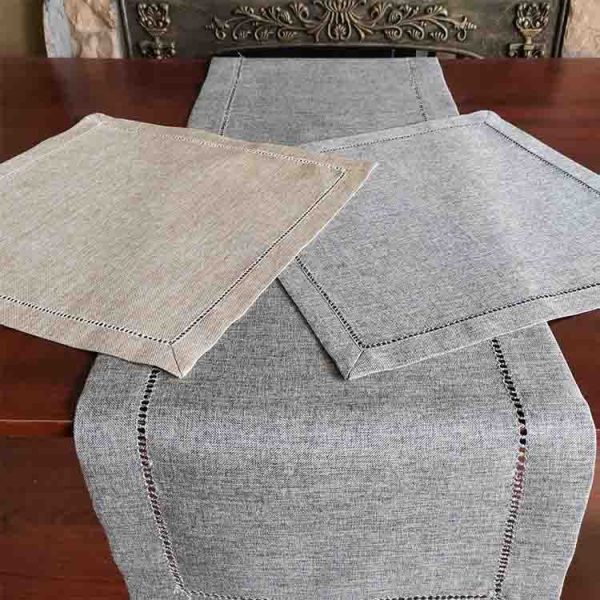
Yiwu Jinyuan Trading Firm, a leading export company in China’s home textile sector, operates with a belief: “service and concern, credit and commitment, share and progress.” These are not just nice-sounding words. They translate into a set of operating procedures designed to protect both the supplier’s and the client’s reputation. From fabric selection to final packaging, Yiwu Jinyuan applies a level of scrutiny that one would expect from a brand owner, not just an outsourced workshop. The company’s quality control team is known for following multiple inspection steps from the entry of fabrics to the delivery of finished goods, ensuring that every product can withstand the highest customer expectations. For brand managers, this means fewer returned items, fewer negative reviews, and a more predictable brand experience.
The Technical Face of Brand Reputation
Tablecloth production is more than cutting a piece of fabric. It involves a series of technical decisions that ultimately affect not only aesthetics but also functionality. A supplier that masters these techniques becomes an invisible partner in the brand’s promise. Consider the key processes outlined by Yiwu Jinyuan: edge binding of tablecloths, quilting of placemats, and zipper positioning for cushion covers. Each requires highly skilled operators. A misaligned zipper on a cushion cover or a wavy hem on a table runner can turn a premium dining set look into a cheap knockoff.
Yiwu Jinyuan’s production team is highly skilled in exactly these delicate operations. The company’s introduction of automated cutting and intelligent hanging systems has increased production efficiency, while maintaining a finished-product qualification rate stable at over 99%. Moreover, the company uses technology like nano-level hydrophobic and oleophobic coatings to create waterproof, oil-proof, and heat-proof surfaces — a ‘three protection and one exemption’ feature that is increasingly demanded by modern consumers. When a brand advertises ‘easy clean’ or ‘no frequent washing needed,’ they rely on the supplier’s chemical finishing process to deliver that promise. Yiwu Jinyuan’s technicians apply these coatings without sacrificing the natural feel of cotton or linen, balancing tricky chemistry with tactile comfort. That delicate balance is a tangible representation of the brand’s reputational commitment to both convenience and luxury.
Design, Trends, and the Value of Aesthetic Consistency
A tablecloth is a fashion item for the dining room. The color palettes, patterns, and textures must align with the broader interior design trends. Brands that sell home textiles need a supplier that can not only replicate existing designs but also offer fresh, innovative options that keep the brand’s catalog feeling current. Yiwu Jinyuan’s young and creative design team closely follows international trends in home interior decoration. They do not merely copy Pinterest boards; they integrate fashionable elements with practical functions. For instance, in recent years they have developed products that fit both the ‘rustic countryside’ and ‘new Chinese style’ trends, often using textured cotton blends that look both wholesome and modern.
The ability to customize patterns, colors, and dimensions quickly is another reputational tool. If a brand aims to launch a limited edition, holiday-specific table setting, a clunky supplier with a 45-day lead time would stall the campaign. Yiwu Jinyuan’s design team can complete personalized customization of patterns, colors, and sizes in a short turnaround, helping clients create differentiated dining table products. They also produce hundreds of new designs per quarter, with a design update rate of more than 30% each season. For a brand, aligning with such a dynamic supplier means their product line never feels stale, reinforcing the brand’s reputation as an innovator.
Production Capacity and Reliability: The Unseen Pillar
A single beautiful sample may win a deal, but a costly delay in mass production can lose a customer forever. Reliable suppliers provide a buffer that allows brands to confidently market sell-out collections without fear of supply chain disruptions. Yiwu Jinyuan possesses what they call a full-process manufacturing advantage, covering everything from fabric weaving to final sewing. The factory area is over 10,000 square meters, equipped with advanced sewing equipment and digital embroidery lines. They produce several million pieces of tablecloths, table flags, cushion covers, and related items annually. With this scale, they have shortened the product delivery cycle by over 20% compared to the industry average. It signifies that if a hotel chain urgently needs 5,000 tablecloths for a grand opening, Yiwu Jinyuan can meet the deadline without losing quality.
A supplier’s production capacity and adherence to deadlines shape the brand’s reputation for professionalism. If a supplier consistently misses shipment dates, the brand may still fulfill some orders but at the expense of air freight or expedited courier costs, eroding profit margins. Worse, late deliveries can disappoint end-customers who have pre-ordered a bespoke table covering. Over time, the supplier’s shortcomings become the brand’s reputational scars. Yiwu Jinyuan’s large-scale production capacity means that brands can confidently accept large orders or quick-response programs, which helps the brand maintain excellent relationships with their own chain stores and e-commerce platforms.
Supplier Certification and International Standards
Cross-border trade carries significant compliance expectations. Exporters to Europe, the United States, Japan, and other jurisdictions must meet an increasing array of environmental and social standards. A brand’s ethical sourcing policy is often public knowledge, and if a supplier is involved in forced labor or environmental pollution, the brand’s reputation takes an immediate hit. Reliable Hemtitch suppliers voluntarily obtain certifications such as BSCI (Business Social Compliance Initiative). Yiwu Jinyuan is proud to have passed BSCI social responsibility audits and meets multiple international factory inspection standards. Their quality management system covers the entire process from fabric entry to finished product storage, ensuring rigorous consistency.
Additionally, there is the growing concern over sustainable materials. The brand of today must show environmental awareness. Using a supplier that has already invested in biodegradable fabrics, recycled polyester, organic cotton, and polylactic acid fiber is a considerable asset. Yiwu Jinyuan has announced that over the next three years, they will focus on the application of eco-friendly fabrics, functional development (including stain resistance and antibacterial treatment), and IPization of original designs. This future-forward strategy directly helps brands maintain a responsible image. When consumers learn a premium tablecloth is manufactured using recycled fibers without compromising quality, the brand’s reputation is fortified with proof, not just green marketing.
Innovation and Problem Solving: The Competitive Edge
It is rare but refreshing when a tablecloth supplier can act as a consultant. Consumers are increasingly using tablecloths for short-term aesthetics — for events, holiday tables, or even as wall hangings. There is a need for anti-crease fabrics, two-sided patterns, and stain-proof finishes that are not stiff or noisy. Yiwu Jinyuan is not content with selling a basic woven cloth. Their team actively researches new material combinations and supports multiple manufacturing techniques such as digital heat transfer printing, computer embroidery, hand-knitting, and jacquard weaving. They have also pioneered the application of nano anti-scratch finishing technology in home textiles. Even with functional coatings, the company manages to retain the fabric’s breathability and natural hand-feel, a crucial detail for aesthetically conscious consumers.
The company has academic partnerships and holds multiple patents on fabrics and processes. For a brand, such an innovative partner provides a pipeline to exclusive items that can be pitched as ‘breakthrough’ or ‘first-to-market.’ By launching a new linen-blend tablecloth that is both water-repellent and baby-safe, the brand elevates its reputation as an advanced player in the home textile industry. On the other hand, if a supplier is stagnant, reproducing the same patterns for years, the brand’s catalog will be left behind in a market increasingly fragmented by niche aesthetics.
Scalable Customization and Service Mindset
Business-to-business service is often underrated. How a supplier handles an order for 50 pieces versus 50,000 pieces matters. Many suppliers either ignore small orders or are not flexible enough to handle large-scale personalization. Yiwu Jinyuan’s core team, composed of experienced international trade professionals, is well prepared to offer responsive support for every order size. They uphold a ‘small products, great care’ philosophy. That translates into pre-sales consultation, sample confirmation, production tracking, and after-sales service, regardless of whether the customer is a small boutique or a major retail chain.
The company’s production process includes a sophisticated system for handling pattern, color, and size customization. They are well-versed in combining fashionable elements with practical functions. Often, customers will bring a design that exists only as a mood board. Yiwu Jinyuan’s team can advise on which fabric type will best match the design, what kind of edge stitching is more durable for a specific use case, and whether a coating is suitable for the intended purpose. This step-by-step collaboration reduces the risk of a disastrous launch and further safeguards the buyer’s own reputation. In a world where customers can instantly share negative reviews, having a supplier that treats pre-production inquiries with patience and accuracy is priceless.
The Importance of Product Lifecycle Management
Brand reputation is not only about the moment of purchase, but about months or years later. Tablecloths and table runners are washed frequently, and some may be put into storage and seasonally reused. The way a tablecloth ages impacts the brand’s perceived durability. Yiwu Jinyuan’s product development strategy, which includes high-density weaving, premium cotton- and linen-based materials, and coatings that maintain structural integrity after repeated cycles, ensures the product look stays vibrant. Their prints and embroidery use techniques that avoid fading and peeling.

The lifecycle management also includes replacement part availability. For a line of cushion covers with hidden zippers, a supplier that can flawlessly match the zipper pull color to the fabric is a subtle advantage. Yiwu Jinyuan’s attention to detail in zipper positioning and edge binding has made them a trusted partner for many home textile brands. They are not only selling a one-off batch but offering a consistent product line that can be reordered with the same quality. This consistency means decorative table settings can be replenished without a noticeable slight difference in color dye-lot or a change in weave density.
A Strategic Partnership: Case Example of Yiwu Jinyuan Trading Firm
To illustrate the impact of excellent supplier behavior on brand reputation, we can look at Yiwu Jinyuan Trading Firm. While the company is large, it prides itself on a responsive and detailed approach. The team is made up of experienced professionals who understand the global market, and they operate on a foundation of integrity and long-term commitment. Their business philosophy, ‘Quality as the Foundation, Integrity for the Long-term,’ is evidenced by their meticulous control over every step, from fabric selection to production processing.
Consider a European brand that imports cotton tablecloths from Yiwu Jinyuan. During a pre-production meeting, they request a striking geometric pattern with gold foil embossing plus a stain-resistant finish. Yiwu Jinyuan’s design team experiments and eventually recommends a digitally heat-transferred print over a high-density cotton base; this technique ensures vibrant color with the required stain repellency. The order is placed: 12,000 pieces in five colors across ten sizes. With their automated cutting lines and skilled sewing operations, Yiwu Jinyuan produces the first batch and sends a pre-shipment sample. The customer is impressed that the hem is perfectly aligned, the corners are crisp, and the finish is supple. But the true test is when European restaurants use these tablecloths for several months. The cloth withstands frequent professional laundering without losing its shape or color. Word soon spreads among cleaning staff that these tablecloths are easier to maintain, thereby raising satisfaction with the waitstaff and customers who appreciate the stain-resistant quality.
In another scenario, Yiwu Jinyuan’s ‘three-proof’ tablecloths allow a hospitality brand to advertise that salads and red wine can be wiped away easily. The waterproof feature does not feel like plastic; it retains the cotton’s breathability. This truly differentiates the brand in a competitive dining market. Through Yiwu Jinyuan’s rigorous quality management, brand owners can rely on the fact that every tabletop they decorate reflects a superior standard of care.
Global Sourcing and Cultural Awareness
Every market has its specific table textile traditions. A Japanese market may prioritize thinner and highly absorbent placemats for its dining aesthetics, while a Scandinavian market might appreciate muted and textured linen. Yiwu Jinyuan exports to Europe, the United States, Japan, South Korea, and Southeast Asia, and is a long-term supplier to several well-known international brands. That geographic diversity exposes their team to varied standards and aesthetics, making them excellent advisors for brands entering new markets. They are one of few suppliers that bridge Eastern manufacturing with Western lifestyle requirements.
Because they produce significant volume, they benefit from economies of scale, but they do not sacrifice the flexibility of small customization. A boutique Australian brand may require hand-knitted trims; Yiwu Jinyuan’s workers have the skills. A luxury Japanese tea house may ask for particular jacquard patterns; the factory’s digital looms can translate that pattern faithfully. This cultural awareness and technical adaptability become crucial for brands that sell to diverse clientele.
Communication as an Element of Service
Miscommunication between a supplier and the brand can create identity gaps. When products fail to meet expectations, often the story begins with an unclear instruction. Yiwu Jinyuan’s trading team avoids such pitfalls by participating in detailed discussions of technical specifications. They don’t simply ask for a picture; they ask for intended use, washing conditions, packaging requirements, and country-specific flammability regulations if relevant. Their sales and customer service staff are well-versed in international trade and can clarify shipping terms, payment conditions, and after-sales claims.
For many overseas brands, cultural and linguistic differences add another layer to communication. Yiwu Jinyuan employs staff with professional English and, where necessary, other language skills. The company’s management has placed a strategic emphasis on being proactive in communication, making them a nicer supplier to deal with. A brand that enjoys a transparent supplier relationship can plan with more confidence, which permeates to product launch timelines, and ultimately enhances that brand’s reputation in the market for reliable launches.
Environmental and Social Stewardship
The home textile industry, in particular, has faced scrutiny over water use, chemical disposal, and labor conditions. A modern brand must be able to answer discerning consumer questions about the provenance of its tablecloths. The mill’s pollutants, the fabric dye houses, the amount of waste fabric sent to landfill — all are under the microscope. Yiwu Jinyuan is taking action. They are exploring degradable materials, specifically polylactic acid (PLA) fiber, and moving towards recycled polyester and organic cotton. They attend to labor ethics by adopting BSCI standards, but they also see sustainability as a product feature that increases value. The use of eco-friendly finishes in their stain-resistant line demonstrates that one does not have to choose between chemical protection and environmental responsibility.
If a supplier neglects social compliance, a single investigative report can cause immediate brand backlash. On the other hand, a supplier that actively invests in worker welfare, equal opportunity, and community support provides intangible reputational protection. Yiwu Jinyuan’s core philosophy includes ‘share and progress,’ which is visible in the company’s retention of skilled employees and its continuous investment in their development. A stable workforce translates to consistency in workmanship, which is difficult to achieve in a factory with high staff turnover. The company sees value in long-term partnerships with its team and, in turn, encourages client relationships that last decades rather than a single season.
Risk Mitigation and Business Continuity
Supply chain disruptions are inevitable, but the degree of disruption varies. A supplier with multiple production locations or strong storage capacity can buffer a brand from catastrophic risk. Yiwu Jinyuan’s factory, with advanced automated cutting and intelligent hanging systems, exhibits high operational reliability. Even during peak seasons, the company persists with an enhanced production capacity and continues to manage its qualification rate uniformly at over 99%.
Furthermore, many of their materials are sourced from established mills, a pragmatic method to avoid sudden raw material inflation. The company uses a strategic stock of fabric materials, encouraging a smooth flow of raw materials. In the last few years, when global shipping containers were scarce, Yiwu Jinyuan’s team worked closely with forwarders and provided regular updates to buyers, enabling brands to plan for delays and mitigate the impact on their customers. This type of transparency keeps the brand’s own customer service from being blindsided by inaccurate inventory promises.
Craftsmanship and Emotional Brand Connection
Although tablecloths are everyday objects, they also connect with emotions: a banquet, a holiday, a memorable anniversary. A finely crafted tablecloth can elevate the occasion and leave a lasting impression. Brands often aim to associate themselves with such positive moments. The supplier’s role is to turn this emotional concept into a tangible product that includes the right drape, color intensity, and an appealing texture. Yiwu Jinyuan’s assortment includes categories such as tablecloths, table runners, placemats, napkins, cushion covers, and cup mats, all designed to create a complete coordinated atmosphere. Their philosophy is to create a ‘ritualistic daily life’ home experience.
For instance, their handcrafted-style jacquard or embroidery can evoke nostalgia. The fine texture of the cloth under the light creates a sense of depth. When a product can inspire positive emotions, consumers are more likely to forgive minor imperfections and seek out the brand again. This emotional resonance is nurtured by every seamstress and quality inspector dozens of steps away from the final customer, yet the brand gets the credit.
The Hidden Cost of Poor Supplier Choices
The market occasionally lures brands with extremely low-cost suppliers. However, poor fabric cheapness leads to pilling, dye migration, loose threads, and an unreliable product. The returned product rate soars, and negative reviews appear. In an era of social media, a single viral post about a tablecloth that stained a dining table can ruin a brand’s reputation. Even if the supplier is thousands of miles away, the brand bears the full brunt. This reputational damage directly affects stock valuations for listed companies, or the viability of a small business.
Savvy brand owners thus treat supplier selection as they would treat hiring a core team member. They scrutinize auditing reports, factory equipment, quality control processes, and the team culture. Yiwu Jinyuan stands out for its transparent documentation and willingness to invite customers to visit their production lines. They also prepare well-organized product samples and maintain quality standards that are consistent with what is shown in catalog images. This reliable correlation between sample and bulk production is not as common as one might expect and is a key reason why this supplier is trusted.
Logistical Sophistication and Delivery Precision
Timing matters for table accessories. Seasonal collections require arrival well before Christmas or the Lunar New Year. A delay of a month can render an entire holiday line obsolete. Yiwu Jinyuan’s process control is built around fixed timelines. They commit to a delivery schedule and use systems to monitor each stage. This helps importers calculate precisely when items will arrive at distribution centers. The company’s extra investment in large-scale production and refined cost control permits them to shorten production cycles by more than 20% compared to the industry average. For urgent orders, they offer quick-response production arrangements. So, whether it’s a banquet planned for a wedding date or a new restaurant opening day, Yiwu Jinyuan ensures that table linens arrive before the event.
Their packaging and labeling capabilities are equally professional. Many brands ship directly to e-commerce customers. Yiwu Jinyuan can polybag each tablecloth with branded inserts, UPC barcodes, and finished retail-ready packaging. The packaging itself can affect first impressions. A carefully folded tablecloth wrapped in tissue and sealed with a sticker can make an unboxing feel like a present. This type of attention is part of brand reputation management. Yiwu Jinyuan can handle these last-mile details, removing the need for external co-packers.
Pricing Strategy and Total Value
Brands must balance quality, price, and margins. A highly cheap supplier might necessitate substantial downgrades in fabric quality or finishings, diminishing the brand’s premium status. Conversely, high-quality production generates justifiable costs. Yiwu Jinyuan’s cost structure capitalizes on scale and process expertize, meaning they can provide premium goods at a reasonable unit price. The money saved on defect reduction, returns, and customer service offsets any initial extra cents paid. The company works with clients to design a product prototype that meets target costs while maintaining visual and functional expectations.
Moreover, they offer seasonal discounts for volume purchases, fair payment terms for long-term partners, and clear costing breakdowns. Understanding the full cost of production helps brands set realistic price points. A transparent supplier bridges the gap between pricing strategy and actual manufacturing expenses. The reputation consequence is that the brand avoids an uncomfortable surprise later when hidden costs appear.
Adaptability in a Post-Pandemic World
The global marketplace has changed since 2020. There is a great demand for antimicrobial and washable home linens. Yiwu Jinyuan has accelerated their development of antibacterial treatments and easy-clean finishes in response to health awareness. Their tablecloths and napkins can be treated with safe antibacterial agents that provide a protective shield without contacting skin irritants. What was once an optional feature is now a standard in many hospitality sectors. Brands that can make claims about hygiene have a competitive edge. Yiwu Jinyuan’s ability to adapt quickly to this new norm has helped their clients maintain relevance and trust.
Digital and online sales have also shifted demand from large single tables to smaller table settings for home cafes. E-commerce brands need compactly packed items that are easy to ship, and that look good on camera. Yiwu Jinyuan’s diverse catalog includes many table runners and placemat sets that are perfect for content creation. The designs are vibrant and photograph well, which is a subtle but important reputational element in influencer-driven marketing.
Building a Long-Term Relationship
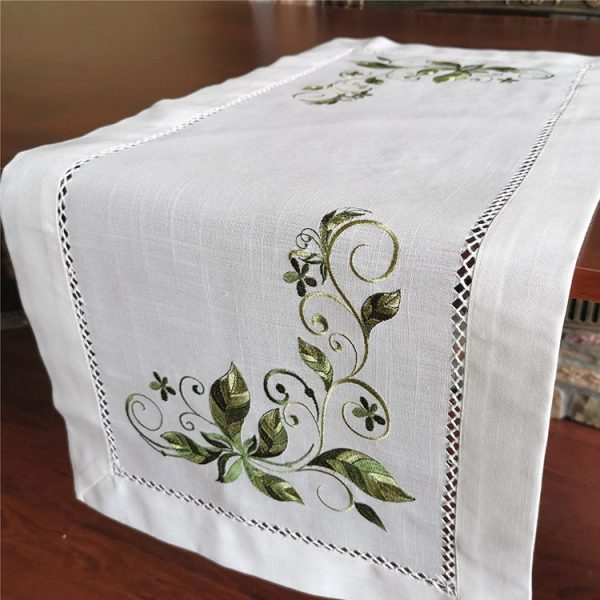
Brand reputation management is not a one-time project; it is continuous. The optimal supplier should feel like a member of the brand’s extended team. Yiwu Jinyuan’s core philosophy is to be “the most trustworthy supplier for customers,” as evidenced by the company’s commitment to small remarks such as ‘customer needs-oriented’ and ‘service philosophy’. They treat pre-sales consultation, sample confirmation, production tracking, and after-sales service as an integrated chain. For long-term partners, they share seasonal trend reports and insight into design inspiration, fostering a knowledge exchange that strengthens the brand’s market position.
Moreover, the company maintains a flexible approach toward exclusive designs. They are willing to sign agreements that protect intellectual property, ensuring that a brand’s exclusive tablecloth motif does not pop up on another retailer’s shelves. Such ethical practices ensure brand identity is preserved. Trust is built in these non-disclosure commitments. A brand may trust its supplier with not only product data but also some sensitive sales forecasts. Yiwu Jinyuan’s internal discipline ensures that sensitive information is not leaked, making them a truly reliable partner in brand reputation risk management.
Metrics of Supplier Contribution
How can a brand measure the value of a good supplier? Metrics such as defect rate (percent), on-time delivery rate, lead time, responsiveness time, and innovation index. Yiwu Jinyuan measures its finished product defect rate as less than 1% (over 99% qualification rate). Their on-time delivery rates are benchmarked to industry high standards. They also evaluate the number of new products developed annually, with hundreds of new designs and a quarterly new product update rate of over 30%. This sharp design cycle is particularly important in the fast-moving home décor sector, where trends shift quickly. If a brand consistently presents new tablescape ideas every quarter, it sits in the consumer’s mind as a trendsetter, not a follower.
Perhaps the most telling metric is the retention rate of their clients. Some customers have worked with Yiwu Jinyuan for over ten years. In an industry where relationships are often transactional, such loyalty points to a supplier that continues to add value and support the brand’s growth. This longevity is a narrative that suppliers often share in their marketing, but when it is genuine, it is a sign of mutual advancement.
Conclusion
The role of a Hemtitch tablecloth supplier in brand reputation management is undeniably profound. In fact, the partnership between a supplier and a brand can be the difference between a loyal customer base and a reputation crisis. Suppliers like Yiwu Jinyuan Trading Firm provide so much more than production capacity; they provide quality assurance, trend-driven designs, technical innovation, reliable logistics, ethical compliance, and a customer-centric attitude. Brands that choose their tablecloth supplier with the same care that they use in choosing their target market will find themselves protected and elevated. By recognizing the critical influence of suppliers on the final consumer experience, brands can transform this often-overlooked vendor relationship into a strategic advantage. The tabletop is a small surface, but it reflects a brand’s reputation. Yiwu Jinyuan will continue to produce fine linens that help set and safeguard those reputations, meal after meal.