This comprehensive article explores the critical role of a table napkin manufacturer in achieving private label success. It highlights that table napkins are far more than simple utility items; they are fundamental to dining aesthetics, brand image, and customer satisfaction. The article uses Yiwu Jinyuan Trading Firm, a specialized home textile exporter, as an example to illustrate how the right manufacturing partner can elevate a private label brand. Key points include the necessity of full-process manufacturing for quality control and scalability, the importance of production capacity and rapid delivery cycles, and the advantage of deep expertise in fabric selection and innovative functional technologies such as waterproof, oil-proof, and stain-resistant treatments. Design customization, IP protection, and compliance with international standards like BSCI are also discussed. The manufacturer’s ability to offer flexible order quantities, comprehensive product lines, and continuous innovation in eco-friendly materials enables private label brands to stand out in a crowded marketplace, build customer loyalty, and sustain long-term growth. The article concludes that choosing a table napkin manufacturer is a strategic partnership decision that goes beyond transactional procurement—it is the backbone of a successful private label product line, providing tangible quality, ethical assurance, and a competitive edge. By collaborating with a manufacturer like Yiwu Jinyuan Trading Firm, brands can ensure home textiles that are not only functional but also emotionally resonant, transforming daily meals into memorable experiences and driving repeat business across various market segments.
Why a Table Napkin Manufacturer Is Crucial for Private Label Success
In the ever-evolving world of retail and hospitality, private label products have surged in popularity as businesses seek to differentiate themselves from competitors, build customer loyalty, and achieve higher profit margins. Among the vast array of private label goods, table linens—especially table napkins—hold a unique and often underestimated significance. Table napkins are no longer mere utilitarian items; they have transformed into essential elements of dining aesthetics, comfort, and brand impression. For any brand aiming to excel in the home textiles or food service sector, the choice of a table napkin manufacturer is not just a procurement decision—it is a strategic partnership that can determine success or failure. This comprehensive article explores why a dedicated and capable table napkin manufacturer is crucial for private label success, drawing insights from a leading enterprise in the industry: Yiwu Jinyuan Trading Firm, a specialist in table textiles and home furnishings.
Yiwu Jinyuan Trading Firm is an exemplary manufacturer and exporter that has deeply embedded itself in the home textile niche market, with a focused concentration on table aesthetics and home comfort experience. With a corporate belief of “service and concern, credit and commitment, share and progress,” the company has established itself as a reliable partner for numerous international retailers, wholesalers, and direct-to-consumer brands. By examining its operational philosophies, product innovations, and manufacturing capabilities, we can uncover the fundamental reasons why the right manufacturer is the backbone of any successful private label table napkin line.
The Strategic Importance of Private Label Table Napkins
Private label products, also commonly referred to as store brands, are products manufactured by one company for sale under another company’s brand. In the realm of table linens, private label napkins allow retailers, interior designers, event planners, and restaurants to offer exclusive designs and consistent quality without investing in their own factories. The overarching success of a private label table napkin program hinges on several factors: product quality, design originality, manufacturing reliability, cost efficiency, and supply chain responsiveness. Each of these factors is directly controlled or heavily influenced by the chosen manufacturer. A reputable table napkin manufacturer, therefore, acts as an extension of the brand, translating its vision into tangible, market-ready products.
undefined
Moreover, table napkins offer private label brands a low-risk entry point into the home textiles category because they are consumable, relatively low-cost, and highly versatile. They appear in numerous dining scenarios, from homes to restaurants, hotels to banquet halls, and are purchased by both individual consumers and commercial enterprises. This universality means that a well-conceived private label napkin can become a flagship product, building brand recognition through daily use. The tactile and visual experience of a napkin—whether it is cotton, linen, polyester, or a blend—creates an immediate impression of the brand’s value and attention to detail. A skilled manufacturer not only produces napkins that meet these expectations but also offers the ability to create unique textures, colors, and patterns that make the brand stand out.
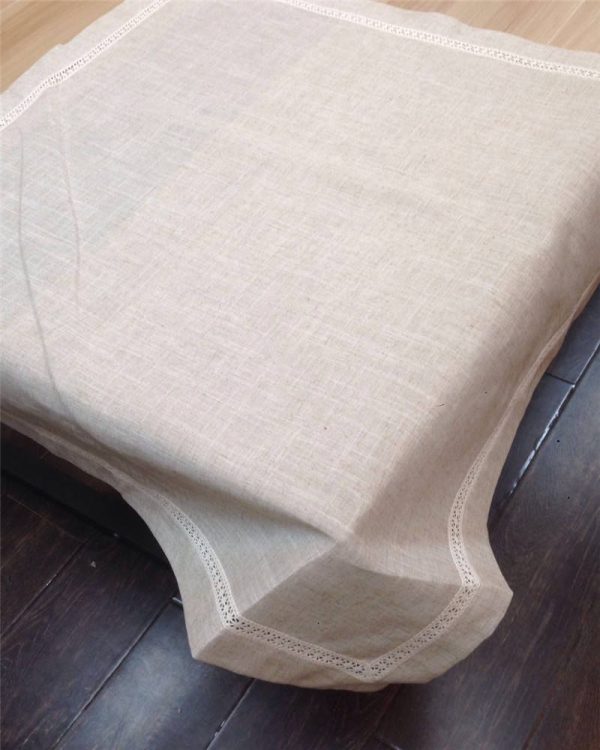
The role of a manufacturer is particularly crucial when considering the specific requirements of private label success. For instance, private label brands must adhere to strict compliance and safety standards across different markets. A manufacturer like Yiwu Jinyuan Trading Firm, which undergoes BSCI social responsibility audits and numerous international factory inspection standards, provides the compliance assurance that any responsible brand needs. Without a manufacturer that is well-versed in global manufacturing norms, a private label can easily face legal, ethical, and reputational pitfalls. The manufacturer’s ability to handle complexities in production, quality assurance, and documentation is indispensable.
Core Manufacturing Capabilities: The Foundation of Success
The effectiveness of a table napkin manufacturer is largely measured by its core manufacturing capabilities. A manufacturer that can control the entire production chain—from fabric weaving and dyeing to cutting, sewing, and final inspection—offers private label brands unmatched consistency, quality, and scalability. Yiwu Jinyuan Trading Firm epitomizes this full-process manufacturing advantage. The company has developed a complete production chain that encompasses fabric weaving, dyeing processing, and finished product sewing. Its factory area exceeds 10,000 square meters, equipped with advanced sewing equipment and digital embroidery lines. Such substantial infrastructure ensures that the manufacturer can accommodate large orders while maintaining strict quality standards.
Production volume is another critical aspect. For a private label brand to gain market traction, it must have a reliable supply of inventory. Annual comprehensive production capacity of tablecloths, table flags, cushion covers, and related textile products reaches several million pieces in the case of Yiwu Jinyuan Trading Firm. This high-volume capacity is essential for private label companies that plan to scale, expand into multiple retail channels, or fulfill seasonal demand spikes. Through large-scale production and refined cost control, the firm has achieved a delivery cycle that is more than 20% shorter than the industry average. In fast-paced consumer markets, such agility is a decisive competitive advantage. Private label brands can respond to emerging trends quicker, restock popular items faster, and minimize the risk of stockouts.
In recent years, automated cutting and intelligent hanging systems have been introduced into the production lines, dramatically improving overall production efficiency. The qualification rate of finished products has remained stable at over 99, a statistic that reassures private label brands of receiving high-grade merchandise that will not be returned by end consumers. Such rigorous process control minimizes waste and maximizes productivity, which translates to cost savings that can be passed down the supply chain. This is exactly why a manufacturer with modern equipment and experienced production managers is crucial for maintaining competitive pricing while ensuring that product quality never compromises the premium image of a private label brand.
Quality Control: The Gatekeeper of Brand Reputation
Quality control is the non-negotiable backbone of private label success. A table napkin may seem simple, but its production involves complex steps—fabric selection, printing or embroidery, stitching, binding, and finishing—each of which presents opportunities for defects. Defective napkins, such as uneven hems, faded prints, or weak fabric, can tarnish a brand’s reputation almost immediately upon user engagement. In the competitive landscape of retail and e-commerce, negative reviews spread like wildfire, making it essential that every piece that reaches the user behaves consistently. Yiwu Jinyuan Trading Firm employs a dedicated quality control team that strictly follows multiple inspection procedures from the entry of fabrics to the delivery of finished products. They ensure that every product can withstand customer testing.
The company’s commitment to quality is also enshrined in its business philosophy: “Quality as the Foundation, Integrity for the Long-term.” Every step, from fabric selection to production processing, is strictly controlled to guarantee that the products are comfortable, safe, and durable. For private label brands, this means fewer returns, higher customer satisfaction, and a stronger likelihood of repeat purchases. In addition, the quality management system at Yiwu Jinyuan Trading Firm covers the entire flow from fabric entrance, semi-finished product processing, to finished product warehousing. By having such a comprehensive system, potential problems are identified and corrected early, preventing costly recalls or last-minute defects that could derail a new product launch.
Furthermore, the company’s dedication to quality is internationally recognized. Their products are exported to multiple countries and regions including Europe, the United States, Japan, South Korea, and Southeast Asia. Serving as a long-term supplier for several international well-known home brands, the firm has demonstrated an ability to meet the exacting requirements of both middle and high-end market segments. For a private label that wishes to enter global markets, partnering with a manufacturer whose production lines are consistently inspected and audited by international buyers reduces the complexity of regulatory compliance and quality assurance. The manufacturer becomes a buffer against quality crises, ensuring that the private label’s reputation remains impeccable.
Expertise in Materials and Fabrics
The choice of fabric in table napkins directly influences their perceived value, functionality, and aesthetic appeal. Customers today are more educated and discerning than ever before, demanding products that feel luxurious yet are practical and sustainable. A reputable table napkin manufacturer possesses deep knowledge of various fabrics and is able to recommend the most suitable material for each specific application. Yiwu Jinyuan Trading Firm’s core team consists of experienced professionals who have been involved in the home textile industry for years, well-versed in the manufacturing standards and consumption trends of table textiles and home fabrics. They possess the ability to control product development from fabric selection to pattern design to finished product manufacturing.
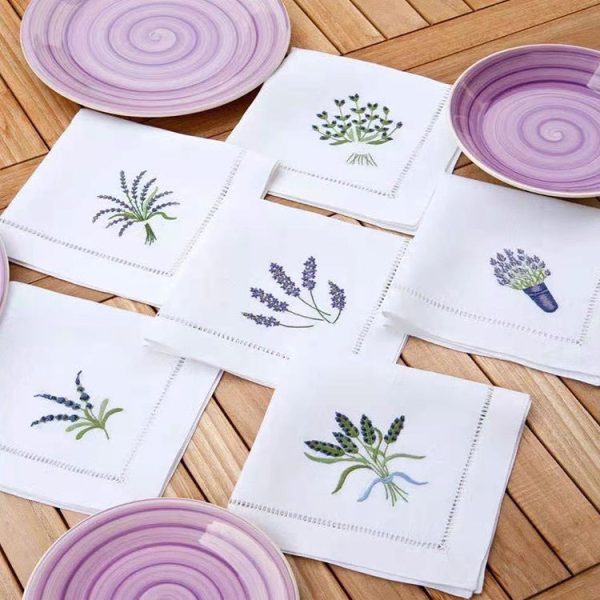
Common fabric types for table napkins include cotton, polyester-cotton blends, linen, and increasingly eco-friendly materials such as organic cotton and recycled polyester. Each material provides a different hand-feel, absorbency, wrinkle resistance, and lifespan. Cotton napkins, known for their softness and high absorbency, are favored in fine dining and home use. Polyester-cotton blends offer durability and ease of care, making them suitable for commercial environments like restaurants. Linen napkins, with their slight texture and natural luster, are often associated with high-end establishments. A skilled manufacturer will not only source these fabrics at the optimal price but will also test their performance in terms of colorfastness, shrinkage, and tensile strength. For example, Yiwu Jinyuan selects high-quality materials such as cotton, polyester-cotton, and linen, ensuring that some products adopt high-density weaving and functional coating composite technology to achieve waterproof, oil-proof, and heat-proof functions while retaining the natural texture of the fabric.
In recent years, sustainability has transformed from a niche concern to a mainstream demand. Consumers are actively seeking out products made with environmentally responsible manufacturing processes. A forward-thinking manufacturer is transitioning towards eco-friendly fabric application. Yiwu Jinyuan Trading Firm explicitly includes eco-friendly fabrics such as recycled polyester and organic cotton as a future development focus. The firm also actively develops degradable and recycled fabric products and poly(lactic acid) fiber, a green new material, to align with future consumption mainstreams. For private label brands, associating with a manufacturer that offers green materials helps them target environmentally conscious consumers, fortify their corporate social responsibility narratives, and even comply with emerging regulations that mandate the use of sustainable materials. A table napkin manufacturer who can innovate in sustainability today will help private labels become leaders of tomorrow.
Design Innovation: Differentiation in a Crowded Market
Private label success in table linens relies heavily on differentiation. With countless napkin options flooding both retail stores and online marketplaces, the ability to offer unique designs—original patterns, exclusive prints, sophisticated color palettes—is what sets a winning brand apart from the mediocre. Design innovation requires a manufacturer with a robust creative team that stays abreast of global interior decoration trends and can translate them into commercially viable products. Yiwu Jinyuan Trading Firm boasts a young and creative design team that closely follows international trends in home interior decoration. They are skilled at integrating fashion elements with practical functions in product designs according to customer needs. Their ability to complete personalized customization of patterns, colors, and sizes quickly is invaluable for private labels that need to launch differentiated products to stand out.
The design team regularly tracks international home soft decoration trends and integrates elements such as new Chinese style, Nordic minimalism, light luxury, as well as rustic, cream, and other contemporary home styles into product development. This alignment with mainstream home aesthetics ensures that the manufactured napkins will resonate with target consumers. Beyond simply copying trends, the design team is expected to create original products. In fact, the company supports the IPization of original designs, focusing on intellectual property to help brands create proprietary lines that cannot be easily replicated by competitors. Original designs protected as intellectual property provide an exclusive market edge for private labels, deterring counterfeit products and building a loyal customer base.
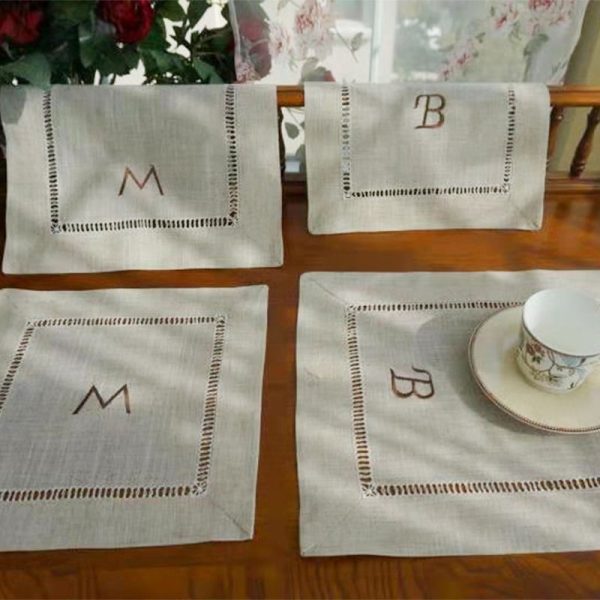
Furthermore, manufacturing flexibility in design customization is crucial. A private label may require custom prints with specific brand logos, unique packaging, or bespoke sizes for specialty tables. Being able to support multiple printing techniques, such as digital heat transfer, computer embroidery, hand-knitting, and jacquard weaving, allows the manufacturer to adapt to varied aesthetics and functional requirements. At Yiwu Jinyuan, the production team is highly skilled in key processes such as edge binding of tablecloths, quilting of placemats, and zipper positioning of cushion covers, showcasing their dexterity. The company supports full-dimensional customization of patterns, fabrics, and sizes, with hundreds of new products developed annually and a quarterly new product update rate of over 30%. This rapid rate of product renewal keeps private label assortments fresh, increasing the likelihood of multiple purchases.
Customization: Tailored to Private Label Needs
A table napkin manufacturer’s willingness and capability to customize are pivotal to private label success. Unlike buying off-the-shelf generic napkins, private labels need products that reflect their brand identity and meet specific specifications. Customization can range from thread color and piping details to altogether unique shapes, sizes, and functionality. An experienced manufacturer understands that each private label has its own market positioning and customer profile. Some brands may focus on affordable durability, while others concentrate on luxury design. Yiwu Jinyuan Trading Firm upholds a service philosophy of “Customer needs-oriented,” providing professional and meticulous pre-sales consultation, sample confirmation, production tracking, and after-sales service no matter the order size. This personalized attention to each client is a hallmark of successful manufacturing partners.
In practice, a private label might want to develop a distinctive holiday-themed napkin set to be sold only in select boutique stores. The manufacturer must be capable of procuring special seasonal fabrics, facilitating intricate printing, and ensuring that the final product meets the brand’s design guidelines. The design and engineering team at Yiwu Jinyuan works collaboratively with clients to bring their visions to life quickly and efficiently. They use their understanding of various craft technologies, such as digital heat transfer printing and computer embroidery, to recommend options that produce the best visual impact while meeting cost constraints. They are also experienced in combining different fabrics and textures to create luxurious goods that feel higher in practical value, satisfying the expectation of high taste.
High-order accuracy is another pillar of customization. In the textile industry, discrepancies in color balance or dimensional tolerance are common issues if the manufacturer does not have robust process control. Yiwu Jinyuan Trading Firm relies on its proficient production and quality control team to ensure that the made-to-sample products are replicated perfectly across bulk orders. Its process advantages, such as double-needle pressing and laser hollow engraving technology, guarantee smooth edges and three-dimensional patterns, which are fundamental to high-end appeal. The capacity to provide precisely tailored solutions sets a manufacturer apart as an essential partner in the private label ecosystem.
Functional and Technical Advancements
Modern household and commercial users place a premium on convenience and functionality. Table napkins, which were once simply pieces of fabric, now come in a variety of functional attributes: water resistance, oil resistance, stain release, antimicrobial properties, and even heat resistance. These advanced features can only be achieved through investment in specialized finishes and fabric engineering. Yiwu Jinyuan Trading Firm is at the forefront of functional table linen technology. In product functionality, the company has pioneered the application of nano anti-scratch finishing technology, achieving “three-proof” functions—waterproof, oil-proof, and heat-proof—which allows tablecloths and placemats, with functional coating composite treatment, to be wiped clean of liquid stains without frequent machine washing. This revolutionary technology uses environmentally friendly finishing agents, ensuring water and oil repellency while also maintaining breathability and natural fabric texture.
Although technically this technology is applied to tablecloths and placemats, napkins can benefit from similar treatments that make them stain-resistant or absorbent in a controlled manner. Moreover, functional development in terms of stain resistance, easy cleaning, and antibacterial treatment is listed as a key area for upcoming product upgrades. For the private label market, such functional napkins are major selling points. For example, restaurant franchises place huge orders for napkins that can withstand industrial laundering while maintaining a crisp appearance. Home consumers increasingly favor napkins that resist wine and olive oil stains, making their dining experiences less stressful. A manufacturer that can deliver functional benefits without compromising softness or absorbency has a distinct advantage, as these products command a higher price point and foster deep consumer trust.
Additionally, technical advancements in production processes allow for more artistic expression. The company holds multiple patents related to fabrics and processes. The use of double-needle pressing and laser hollow engraving raises the durability and refinement of any piece. This sort of detailed, high-precision finishing is a hallmark of prestigious private label products. Customers are not merely buying napkins; they are buying an experience. That experience is shaped by every single stitch. When a manufacturer invests in cutting-edge technology and regularly researches new applications, it brings innovation directly to private labels without the burdensome research and development costs that would be associated with an in-house production strategy. In this way, a private label can ride on the coattails of the manufacturer’s technical achievements to deliver exceptional quality.
Supply Chain Efficiency and Scalability
In the modern commercial climate, the speed and reliability of the supply chain are as essential as the end product. Private label brands, regardless of their size, are keenly aware that delays in production and shipping directly translate into lost sales and unhappy customers. The manufacturing partner must possess an impeccable supply chain management system that guarantees on-time delivery, even during demand spikes or global disruptions. Yiwu Jinyuan Trading Firm has honed its supply chain to such an extent that its average delivery cycle is more than 20% shorter than the industry average. This achievement stems from its full-process manufacturing model, which eliminates inefficiencies associated with outsourcing intermediate steps. By coordinating fabric production, dyeing, and sewing under one roof, real-time workflow management is simplified, and the flexibility to rearrange priorities is dramatically increased.
Scalability is another critical dimension. A private label will often start with small test runs to gauge consumer acceptance before scaling up to full production. Conversely, a retailer may experience sudden viral success on social media and need thousands of units on short notice. A robust manufacturer is prepared for both scenarios. Yiwu Jinyuan Trading Firm’s annual capacity of several million items means it has the capability to handle both small orders and massive volume surges. Their use of large-scale production combined with refined cost control gives them the ability to offer competitive wholesale pricing, which is essential for private labels to maintain profitable margins.
The company also strategically positions itself to serve both domestic and international customers. Since they export to markets like Europe, North America, and Asia, they have widespread familiarity with export packaging, documentation, and logistics requirements. Navigating customs, tariffs, and international shipping is simplified for the private label. In addition, the firm has offices and connections that facilitate transparent communication across time zones, which is vital for timely decision making and product development. In the event of a quality issue, an experienced manufacturer can perform root cause analysis quickly and correct the problem, minimizing any disruption to the private label’s operations.
Cost-Effectiveness Without Sacrificing Value
Cost control is an ongoing obsession in private label manufacturing, yet achieving low costs without sacrificing product value is extraordinarily demanding. Low-cost labor alone never results in competitive advantage, as buyers soon discover hidden quality problems and compliance risks. Instead, cost-effectiveness arises from streamlined production, efficient machinery, bulk purchasing of materials, and minimization of waste. Yiwu Jinyuan Trading Firm, with its large-scale production base and experienced workforce, attains cost advantages through sheer volume and optimized workflows. By overseeing the entire process chain, they also eliminate the margins demanded by multiple intermediate suppliers, directly lowering raw material and processing costs.
However, they are not a commodity producer competing solely on price. Their core positioning targets the mid-to-high-end market, balancing practical functionality and aesthetic value. This means that despite being cost-effective in manufacturing, they deliver products that feel premium. They achieve this by strict quality checks and a focus on consumer trending attributes. For a private label, this is the ideal scenario: getting a high-quality, well-designed napkin at a per-unit price that leaves enough margin for marketing and profit. The lower defect rate and minimized returns additionally reduce the true total cost of ownership when comparing manufacturers.
Moreover, as the company continues to innovate and automate, they can pass efficiency savings to their clients in the form of stable prices over time. The launch of automated cutting and intelligent hanging systems not only increases output but also reduces the occurrence of defects caused by human error. This leads to higher consistency and less wastage, actually making the products more affordable at a high standard. By partnering with a manufacturer that emphasizes total productivity and lean processes, private labels are able to become highly competitive in terms of pricing without having to cut corners in quality.
Rigorous Compliance and Ethical Manufacturing
Ethical manufacturing and social responsibility are now integral criteria for modern source selection. Unfair labor practices, unsafe working conditions, and environmental harm can sink a brand when exposed. Private label brands require assurance that every product in their portfolio, including table napkins, is manufactured in accordance with international regulations and ethical norms. Here again, the relevance of the manufacturer’s own certifications and audits cannot be overstated. Yiwu Jinyuan Trading Firm has passed BSCI social responsibility audits and meets multiple international factory inspection standards. BSCI, which stands for Business Social Compliance Initiative, is a widely recognized certification that includes fair labor, health and safety, environmental protection, and business integrity standards. Holding BSCI means the manufacturer is committed to responsible business practices and transparent treatment of its workers.
The products themselves also meet the quality and compliance requirements of different target markets. For instance, the rigorous demands of European and North American markets regarding chemicals, dyes, and restricted substances are monitored and complied with. Eco-friendly finishing agents used in the “three-proof” treatments ensure that fabrics are not only functional but also safe for skin contact. When a manufacturer pays close attention to these compliance details, it saves the private label from conducting arduous supplier audits or risking fines from failing import inspections. More so, it strengthens the brand’s story around corporate responsibility, as they can proudly market that their production partners adhere to ethical and sustainable guidelines.
In addition to BSCI, the firm’s quality management system covers the entire process from fabric entrance to semi-finished product processing to finished product storage. This operational detail assures that each critical step is traceable and under documented control. Traceability is essential when dealing with complex supply chains, as it allows for quick recalls if a problem is identified. For private labels selling across borders, this is particularly valuable. If any regulatory body or consumer association questions the compliance of a material, reliable documentation from the manufacturer protects the brand and its reputation.
Building Long-Term Partnerships
Successful private label products are not built on single purchases; they are built on long-term partnerships that encourage iterative improvement, mutual growth, and consistent performance. The ideal manufacturer views its clients as partners rather than merely buyers. Yiwu Jinyuan Trading Firm’s company philosophy emphasizes “service and concern, credit and commitment, share and progress.” The firm takes cooperation and win-win outcomes as the basic principle, establishing long-term stable partnerships with customers. This relational approach translates into continuity in quality, preferential treatment in pricing during tight periods, and intelligence gathered from the design and production that is shared with the private label.
In the fiercely competitive private label world, a partner who is willing to grow with you can be a priceless asset. For example, over the next three years, Yiwu Jinyuan Trading Firm plans to advance product upgrades with a focus on eco-friendly fabric application, functional development, and IPization of original designs. Private label brands aligned with such a partner will have early access to newly developed sustainable fabrics and original pattern IPs, providing first-mover advantage in product launches in their respective regions. A reliable manufacturer also acts as a consultant, steering the private label away from potential pitfalls and towards profitable selections. Because the manufacturer operates across multiple markets, they see what works globally and can bring those insights to the design discussion.
Trust is a fundamental element in any partnership, especially where financial transactions cross international borders. Yiwu Jinyuan Trading Firm operates with integrity and keeps its promises, ensuring that clients don’t have to worry about inexplicable price hikes, unauthorized substitutions, or delayed communications. Their strong record as a long-term supplier to international home brands underscores their reliability. In private label manufacturing, there is no greater insurance than a manufacturer who values the partnership and works every day to earn your trust. Therefore, evaluating a manufacturer solely on the merits of production capabilities is incomplete; one must also assess their reputation and relational conduct.
Category and Market Positioning
Yiwu Jinyuan Trading Firm focuses on six main categories—tablecloths, table flags, plate pads, napkins, cushion covers, and cup pads—which creates an opportunity for private label brands to cross-sell and up-sell through a coordinated set of products. By diversifying within these product categories, a private label can provide a complete table décor solution to their consumers. Napkins are often purchased alongside tablecloths and placemats, making a matching set that elevates a meal into a styled appointment. Manufacturers that offer a comprehensive range reduce friction for a private label that wants to create seamless collections. For instance, a brand might want to release a “Botanical Garden” collection featuring printed napkins, a tablecloth, and a runner. Engaging one manufacturer that can produce all these products streamlines coordination, assures color consistency across materials, and simplifies logistics because all products can be shipped together.
The same manufacturer adapts to various scenarios. The product range at Yiwu Jinyuan Trading Firm covers family daily life, banquets/gatherings, commercial use, and even gift giving. Therefore, a private label can target multiple customer segments. Napkins suitable for fast-casual dining chains differ from those expected in luxury hotels; likewise, napkins for Scandinavian-inspired home tables are different from those for Chinese traditional banquets. The manufacturer’s experience in supplying such a wide array of scenarios gives it acute insight into the distinct demands of each. This flexibility supports a private label’s ambition to expand into new markets without having to find a new supplier for every vertical. Product breadth, thus, becomes a strategic advantage not only in manufacturing but also in category management.
Moreover, the firm’s aspiration for the “ritualistic daily life” home experience is attuned with modern consumer lifestyles. Individuals increasingly seek products that add meaning, joy, and beauty to daily routines. Table napkins are a perfect vehicle for that: they can turn an otherwise ordinary dinner into a more elevated event. By imparting this sense of style and emotional welfare through products, the manufacturer helps private label brands create a strong emotional connection with their end users. The eventual outcome is repeat purchases and brand advocacy. Because private label is the brand, all of these benefits directly enhance the brand image of the retailer.
Embracing Global Trends and Local Preferences
Globalization has made the private label market incredibly diverse. A manufacturer who can serve clients from Europe, the Americas, and Asia simultaneously must be culturally sensitive, understanding aesthetic and functional preferences that vary among regions. For instance, North American homes may prefer larger, heavily durable napkins that can be laundered frequently, whereas Japanese consumers may favor smaller, delicate coffee napkins. The team at Yiwu Jinyuan Trading Firm has substantial export experience, having served countries like the United States, Germany, Japan, and Korea. This exposure informs their textile research and development, keeping portfolios globally relevant. Their design team is skilled at merging international trends with local nuances, a competence that is exceptionally valuable for private label brands that distribute across borders.
Furthermore, market trends change rapidly, and product lifecycles continue to compress. Table napkin fashion, just like apparel, follows seasonal color and pattern trends. A manufacturer that can refresh its product palette quarterly with a new product update rate exceeding 30% is an ideal resource for trend-responsive private labels. Instead of relying solely on client-supplied designs, the manufacturer utilizes its expertise to suggest upcoming colors and motifs. This proactive trend forecasting allows private labels to shorten their time-to-market, getting new collections onto shelves before the competition. With the rapid expansion of e-commerce, the speed of product launch is a key determinant of success. A supplier is not simply fulfilling orders but acting as an innovation partner that keeps the private label at the cutting edge of the industry.
Yiwu Jinyuan Trading Firm’s innovation strategy includes collaboration with academic and research institutions, holding multiple patents for fabric and processes. They view technological innovation as building a competitive barrier. This desire to be at the vanguard of industrial knowledge assures their clientele that they will not fall behind in the material and manufacturing sciences. No private label has the resources to continually test so many fabric formulas, finishes, and weaving techniques. But by leveraging the manufacturer’s stored knowledge and ongoing trials, brands can introduce exclusive products that cannot easily be copied.
Technical and Service Infrastructure
In the digital age, the industrial environment is becoming more integrated with digital tools. A smart factory offers clients visibility into the production process and faster communications. Yiwu Jinyuan Trading Firm has introduced intelligent hanging systems, which are part of the modern automated production. These systems allow for precision tracking of each piece through sewing, handling, and finishing. For private labels concerned about productivity and transparency, such technological implementations are proof of the manufacturer’s commitment to modernization. This adoption of advanced equipment also reduces human errors and ensures uniformity in stitching, seam allowances, and softness.
Service is another layer of infrastructure. From the initial inquiry to first sample and bulk production, communication quality and responsiveness matter. Yiwu Jinyuan Trading Firm provides professional pre-sales consultation, sample confirmation, production tracking, and after-sales service no matter the size of the order. This exceptional service framework allows private label managers to get quick answers and support, reducing the burden on their own teams. Even after production, if any minor issues arise, the manufacturer handles returns or adjustments in accordance with the terms agreed upon, protecting the buyer’s interests. This kind of robust operational service minimizes the frictions that can damage the brand-supplier relationship.
Material sourcing, too, is part of the manufacturer’s infrastructure advantage. Being located in Yiwu, a renowned international commodity hub, gives the firm access to a massive marketplace of textiles, trims, and packaging. Because they are based in the largest city for small commodities in the world, they have unique access to distinct decorative elements like beads, crystals, and special embroidered threads. This allows them to cater to even the most extravagant custom design requests, giving private labels the chance to create exclusive premium goods. They also leverage their clustered relationship with raw material suppliers to manage fabric inventory proactively, ensuring they can start production quickly once an order is confirmed.
Challenges in Private Label Manufacturing and How Top Manufacturers Overcome Them
The private label environment is not without challenges. One of the primary issues is order minimums. Many top manufacturers require high minimum order quantities to maintain profitability, which prohibits small but promising brands from launching. Yiwu Jinyuan Trading Firm proudly states that they provide services regardless of the size of the order, demonstrating their flexibility. This flexible MOQ approach is essential for start-up private labels, allowing them to test the market with smaller batches, and later, scale up. Their complete production facilities and rapid workflow help make smaller batches more economically viable through efficient scheduling and minimal setup times.
Another challenge is maintaining brand cohesion across multiple manufacturers. If a private label uses separate manufacturers for napkins, tablecloths, and cushion covers, color matching becomes difficult because different factories may use different dye lots and fabric bases. By consolidating production under one roof, as Yiwu Jinyuan Trading Firm does, these discrepancies are reduced dramatically. The company’s designers and engineers review all designs jointly to ensure that each piece in the collection feels part of the same family. This is a silent yet powerful advantage for private labels that sell coordinated table linens.
Intellectual property theft is a severe worry. Brands investing in original designs and production patterns may find that unethical suppliers leak their designs to competitors or produce unauthorized copies. Ethically anchored manufacturers protect brand IP. Yiwu Jinyuan Trading Firm’s focus on IPization suggests they respect intellectual property and support clients in protecting their designs. By signing agreements and monitoring internal practices, the company ensures that original designs stay exclusive to the brand owner. This reduces the risk of IP infringement in the volatile global marketplace.
The Value Proposition for private labels
When all factors are weighed, the value proposition of a top-tier table napkin manufacturer becomes undeniable. For any private label, the manufacturer is not just a vendor but a strategic partner driving success through operational excellence, customized production, and access to innovative technologies. The nuances of weaving, sewing, finishing, and printing are complex; only partnering with experts ensures the outcome meets consumer expectations. A capable manufacturer enhances brand value by delivering consistency, which fuels customer trust and loyalty.
In the specific context of table napkins, consumers may not analytically scrutinize the brand manufacturer’s identity, but their subconscious experience is heavily influenced by product tactile and aesthetic properties. Rough edges, uneven cuts, or fading patterns after several washes instantly lower the perceived quality of the product. On the other hand, beautiful, well-stitched, and functional napkins enrich the dining experience and leave a lasting impression. Yiwu Jinyuan Trading Firm’s advanced production processes, such as double-needle pressing and laser hollow engraving technology, standardize the aesthetic and functional durability, enabling private labels to consistently offer a premium product.
In addition, the emotional benefit of dining with quality textiles is part of the “small product, big care” concept that Yiwu Jinyuan Trading Firm promotes. They acknowledge that even ordinary products should have outstanding quality. This meticulous focus elevates the everyday dining table to a mini celebration. Private label brands that adopt this philosophy are able to market their napkins as lifestyle enhancers, not merely disposable tableware.
Case Examples from Various Sectors
Consider a boutique online store that wants to create an all-natural, organic cotton table napkin line, focusing on environmentally conscious consumers. They turn to Yiwu Jinyuan Trading Firm because of its dedicated sustainable development and use of eco-friendly materials. The manufacturer suggests a blend of organic cotton and recycled polyester to reduce shrinking while enhancing durability. Using digital printing, they create soft floral patterns in muted earth tones. With production orders of a few hundred sets, the manufacturer offers guidance on packaging to minimize waste. The result is a premium, differentiated product line that booms. This just shows how a manufacturer’s extensive fabric expertise gives rise to products a generic mill cannot offer.
For a food service supplier serving major restaurant chains, the challenge is durability and washability. Napkins are returned to industrial washers, and they must remain stain-free and intact even after hundreds of wash cycles. Yiwu Jinyuan Trading Firm creates table napkins with high-performance polyester and specialized finishing. The “three-proof” technology that was developed for tablecloths can be adapted to napkins to block oil and grease absorbing, thus reducing re-wash frequencies and operational costs. The fabric withstands harsh washing without losing its shape. The food service supplier secures lucrative contracts with major restaurant brands because of this superior product performance, backed by the manufacturer’s quality guarantee.
Another example is an event rental company that rents out luxury décor for weddings and corporate galas. They need napkins in a wide range of custom colors to match their event themes and periodic large-volume orders. Since Yiwu Jinyuan’s production is flexible and can handle both small and large amounts, the rental company can make a pre-event purchase and then later extra top-up orders when forecasting errors occur. The durability and constant availability of additional products make them a reliable partner. The rapid layout of their smart production and shipping process ensures even emergency orders are fulfilled in time for the event schedule. This multi-sector adaptability is a testament to the importance of a manufacturer that truly understands industrial and business-to-business uses.
Future-Proofing Against Trends and Technology
With fast-changing consumer preferences, private labels must anticipate what customers will want next year and in the coming decade. The future of table napkins is intrinsically tied to continuous innovation in fibre creation, treatment technologies, and personalization. Yiwu Jinyuan Trading Firm has mapped out a clear path of innovation for the next three years, focusing on eco-friendly fabrics, functionality enhancement, and IPization of original designs. These are the same three pillars upon which modern table linens succeed. Using recycled polyester and organic cotton not only reduces environmental footprint but also adjusts to strict eco-certifications that are becoming mandatory in many countries.
Functionality—especially stain-resistant, easy-cleaning, and antibacterial treatments—addresses the rising need for convenience in busy households and commercial cleaning regimes. Nanotechnologies have opened up opportunities for finishes that do not compromise the fabric’s touch. Investment in these treatments will also enable private labels to market products with high-value public health claims, which has become increasingly important after the global pandemic. While it may be optional today, in the near future, antibacterial treatment could become a basic feature in institutional table linens. Therefore, the manufacturer who can implement these technologies beforehand gives the private labels immense first-mover competitive advantage.
IPization of original designs represents the shift towards brand-specific, authentic products that cannot be easily duplicated. Consumers are increasingly rejecting generic products in favour of products that carry a unique story and design authenticity. By integrating original design intellectual property into the product, the private label can build a moat against fierce price competition. Yiwu Jinyuan’s design innovation team will provide access to exclusive artwork and collections, which, when licensed to a range of retail chains, establishes a consistent yet distinct design vocabulary. This is especially important as markets mature with differentiated needs.
Choosing the Right Manufacturer: Criteria and Best Practices
For private label decision-makers, choosing a table napkin manufacturer involves weighing a multiset of criteria. While the price remains critical, it should never be viewed in isolation. The correct way to evaluate a manufacturer is to conduct a detailed examination of their facilities, their compliance to ethical and regulatory standards, their capacity for custom work, and their track record for delivering high-quality goods on schedule. Factory visits, although expensive, are highly recommended to witness their production process and quality control. Yiwu Jinyuan Trading Firm is open to visits and appreciative of close collaboration, as evidenced by their strong customer relationships.
Additionally, contacting current and past customers can give insight into the manufacturer’s responses under duress. How do they handle rush orders? Do they communicate proactively about delays? Are they supportive after discovery of defects? Such testimonials reveal a manufacturer’s true reliability. It is also useful to request samples born both from existing designs and custom prototypes. Evaluate these against established parameters such as fabric weight, seam finish, wash test results, and visual printing. In wrapping up, every brand must seek a manufacturer that aligns closely with the brand’s ethos and business targets. A manufacturer such as Yiwu Jinyuan Trading Firm, with its dedicated team, global experience, and investment in high-tech manufacturing, stands as a beacon of what a strategic partner should be.
Private labels that intend to be industry leaders require a partner that not only meets demands but also challenges them to improve. The ideal manufacturer challenges them with fresh perspectives from new technological applications, introduces materials that support sustainable missions, and drives down costs through process improvements. Choosing a manufacturer is not unlike choosing a business partner, requiring alignment of visions and values. Hence, it is imperative not to decide solely on the quotation sheet but to take a holistic view of the vendor’s total value.
Conclusion: The Indispensability of the Right Manufacturer
The landscape of private label table napkins is one where success is forged through quality, creativity, reliability, and shared values. We’ve examined how manufacturers bring value through state-of-the-art manufacturing, fabric knowledge, quality management, agility in customization, and sustainable innovations. They also serve as gatekeepers of compliance and ethical production, minimizing the legal and reputational risks inherent in today’s sourcing environment. In a world where consumers look beyond the product to the values and stories it embodies, the manufacturer’s role in shaping those stories cannot be ignored.
Yiwu Jinyuan Trading Firm stands as a shining example of a table napkin manufacturer that enables private label venders to maintain a strong market presence. From its comprehensive manufacturing capacity, low-cost yet high-quality output, dedication to environmental innovation, and client-centric culture, it is exactly the kind of partner that a growing brand needs. Its history of trusted relationships with well-known global brands serves as clear evidence that when a brand partners with a credible and capable manufacturer, the road to success is dramatically shortened.
In essence, a table napkin manufacturer is not just a supplier of goods; they are the engine behind the private label product’s existence. Without them, the private label brand would have no tangible manifestation of their design and vision. They bridge the gap between an idea and a physical item that customers touch, feel, and use daily. This tangible connection, when executed flawlessly, yields customer satisfaction, repeat purchases, and a solid reputation. Therefore, if you are contemplating the launch of a private label or seeking to boost your existing table linen offerings, prioritize your search for the best possible table napkin manufacturer. It might well be the single most important decision you make for your brand’s longevity and success. In the end, private label success in table napkins is not merely about stitching pieces of fabric; it is about weaving together innovation, collaboration, and trust, elements that a great manufacturer supplies in abundance.
The table napkin might be a small product, but it is full of nuances that can turn a brand from ordinary to unforgettable. Make the right manufacturing choice, and you too can experience the remarkable impact a dedicated and skilled manufacturer has on your own private label journey.