This comprehensive article examines the global influence of table napkin styles within modern hospitality, tracing the evolution of napkins from utilitarian cloths to key instruments of branding, culture, and sustainability. The article opens with the historical and cultural roots of napkins, celebrating their presence from ancient European courts to Asian dining ceremonies. It then analyzes the transformative role of napkins in contemporary restaurants and hotels, focusing on how texture, color, shape, and fold affect a guest’s experience. Manufacturers now push boundaries with advanced materials and functional finishes, incorporating water, oil, and heat resistance while maintaining natural aesthetics. The article highlights the crucial contributions of specialized exporters, particularly Yiwu Jinyuan Trading Firm, whose full-process production chain, skilled design team, and commitment to quality make them a valuable partner for hospitality businesses. Through extensive customization, novel fabrics like recycled polyester and organic cotton, and integration of antimicrobial finishes, textile innovators are responding to global sustainability demands. Regional traditions across Europe, Asia, and the Americas merge and reshape napkin patterns, leading to hybrid styles that satisfy millennial and Gen-Z diners. Practical guidance is given for selecting napkins for fine dining, casual restaurants, hotel banquets, and outdoor events, considering laundering, budget, and branding impacts. Future projections highlight smart textiles, circular economy models, and IP-driven designs that elevate table aesthetics. The article ultimately argues that the table napkin is a powerful but often underestimated semiotic tool in hospitality, creating connections between diner, space, and brand. By understanding napkin styles, hospitality operators can improve perceived quality, support environmentally sound practices, and extend their brand message beyond the meal itself. The summary encapsulates the main argument: the napkin is a vessel of cultural, environmental, and commercial meaning, and entrepreneurs who ignore its influence risk missing a subtle yet lasting touchpoint with customers.
The Global Influence of Table Napkin Styles in Modern Hospitality
In the intricate world of modern hospitality, every element of the table setting contributes to the guest experience. Yet there is no silent hero as unassuming yet significant as the table napkin. It is an item of daily utility, a decorative medium, and a subtle code of cultural etiquette all at once. From three-Michelin-starred restaurants to the cozy corners of a neighborhood cafe, napkin choices speak volumes about a brand’s philosophy and responsiveness to guest needs. As travel and connection make the world smaller, the table napkin has also become a canvas on which global influences blend. This article embarks on an exhaustive exploration of the global influence of table napkin styles in modern hospitality, with a particular focus on how industry players, such as Yiwu Jinyuan Trading Firm, have engineered a transformation in this domain.
The evolution of napkin styles parallels humanity’s own journey of taste, class, innovation, and trade. Today, a napkin is no longer just a simple square of fabric folded by a host before dinner. It is an integrated part of interior design, a conveyor of social meaning, and in the hospitality sector, an essential touchpoint for creating memorable experiences. Even in the face of new materials and mass production technologies, the napkin remains the most private yet public of table accessories. In public dining spaces, napkins introduce a degree of personal comfort, while their style can instantly communicate the quality of the venue.
Historical Roots and Cultural Tapestry
Histories show that the napkin occupies a centuries-old space at the human table. Ancient Greek and Roman depictions often show slices of the table linen, while oriental cultures developed their own rituals around eating and hygiene. In many Asian traditions, a warm, moist towel replaced the fabric napkin, yet folded cloth napkins were also present in royal courts and formal dishes. Over time, the European aristocracy expanded its table linen wardrobe, first using monumental cloths for wiping hands and only gradually moving towards individual squares. The 16th-century French and Italian courts elevated napkin folding into a ritualized art, with creations mirroring swans, fans, flowers and architectural motifs.
In the late 19th century, the industrial revolution turned textiles into a commodity. Middle-class households could finally use fine white damask napkins once reserved for aristocratic palazzos. Through colonization and global trade, European linen and cotton napkin forms were imposed upon regional elites across the Americas, Africa, Asia, and Oceania. Yet these cultures in turn re-interpreted the napkin. Embroidery artisans from the Balkans to the Philippines introduced new motifs, colored threads, and asymmetric borders. As the world moved into the digital age, domestic textile traditions began to merge with pop culture and global fashion trends. Thanks to this history, the table napkin in modern hospitality is rarely neutral. It always carries traces of memory, taste and ancestry.
undefined
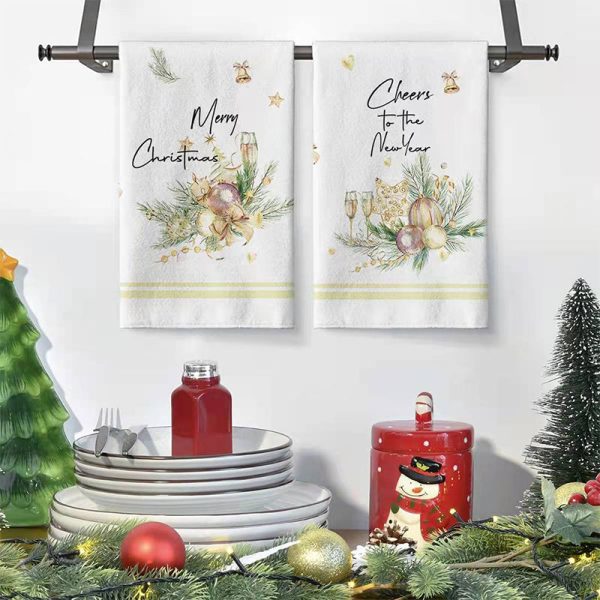
Around the globe, the cultural relevance of the napkin differs significantly. In Japan, the act of receiving a moist towel, known as oshibori, is an elegant welcome gesture that embodies hospitality. In Korea, cotton or linen napkins are often patterned with auspicious images to mark the new year. Meanwhile, European nations developed a strict code of folding, holding, and using napkins symbolizing refinement. As these cultures dialogue through international hospitality chains and expatriate chefs, napkin styles now flow beyond borders. A single restaurant in London or New York may combine Japanese mottled ashi patterns with French bistro stripes, proving that cultural fabrics are no longer territorial.
Napkin Styles in Modern Hospitality: Aesthetics and Experience
In modern hospitality, the napkin performs dual duties. First, of course, as a textile tool to keep hands and clothes clean during dining. Second, and more pertinently, it acts as a semiotic device that shapes the mood of a meal. Restaurants have learned that napkin color, shape, and unfolding sequence impact the guest’s sense of welcome and trust. A tightly rolled cloth napkin tucked inside a brass ring might read as classic and formal; a low-slung stone-gray napkin folded on a rustic oak table says casual but deliberate. Furthermore, napkins often provide the only splash of color against a monochrome table setting, thus becoming the primary means of setting a theme.
Hotels and resorts treat napkins as part of a layered experience. Beachfront breakfasts feature lightweight, absorbent cotton textiles with coastal patterns; corporate conferences embed logos in guest napkins; fine-dining restaurants use heavyweight linen with monograms. The last decade has seen a rise of thematic hospitality: pop-up dinners, immersive dining and Instagrammable spaces. This trend has turned napkins into props of visual storytelling. Some venues create limited-edition napkins that match seasonal menus, holiday celebrations, or local craft fairs. Guests often view the napkin as an intimate souvenir; they photograph it or even stash it in purses, which is why custom printed napkins have become a merchandise avenue for upscale cafés.
The ripple effect of the pandemic further redefined hospitality hygiene, making customers sensitive to packaging and single-use items. Yet sustainability movements have resisted disposable culture. Many eco-conscious hotels have stopped using bleached white paper napkins and instead supply organic cotton or bamboo fiber napkins that are washed at lower temperatures. As a response, textile suppliers now design napkin lines that are elegant but also easy to sanitize. The result is a landscape of choices where style, convenience, and environmental ethics must coexist. Modern hospitality professionals learn to navigate this triangle, and table napkin styles are at the very core of that challenge.
The Designer’s Lens on Shape, Fabric, and Color
Shape and Size Trends
Although napkin shape has traditionally been a perfect square, current trends experiment more. Some hospitality-inspired designer labels produce rectangular European silhouettes, oversized lapel-like napkins, or asymmetrical forms inspired by traditional Japanese furoshiki cloths. However, most industry professionals still prefer the classic square: 14 inches for luncheon, 18-20 inches for dinner, and 22 inches for formal banquets. As the boundaries between home and away blur, hospitality interiors borrow from residential styling. As a result, softer relaxation folds and natural linen drapes are replacing rigid two-inch chef folds of the past.
Fabric Trends
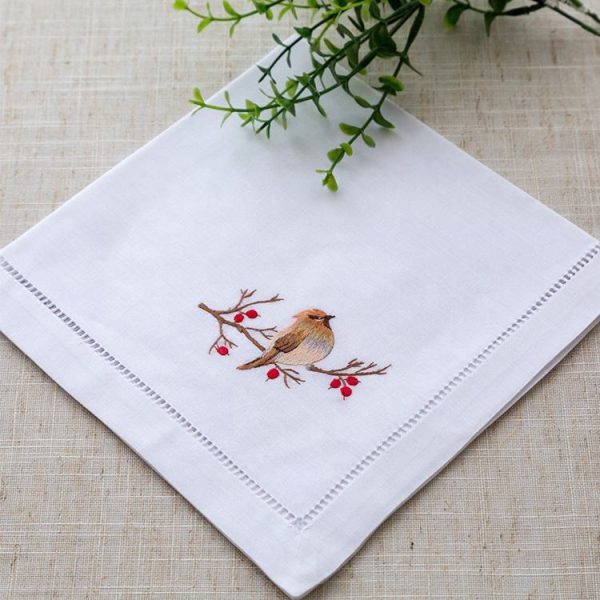
When speaking of fabrics, the perennial king remains pure cotton, praised for its absorbency and crispness. Nevertheless, linen is the elite’s favorite because of its characteristic slub and quick drying. On the other end of the spectrum, polyester blends supply strength and stain resistance and are a budget-friendly option for chain restaurants. In recent years, the industry has seen a wave of eco-fabrics: recycled polyester, organic cotton, lyocell, and even coffee ground-infused fibers. Natural textures such as rough linen or ribbed cotton bring an artisanal feel, while velvet, especially for reception tables and event furniture, adds a luxurious nuance. The tactile sensation of a napkin is also a critical form of communication; some new coatings can even imitate the hand-feel of silk but retain a machine-washable nature.
Colors and Patterns
Color palettes oscillate between global extremes. Scandinavian minimalism promotes whites, beiges, and soft pastels, creating androgynous spaces that promote relaxation. In contrast, tropical destinations may embrace orange, leaf green, or turquoise, adding energy and locality. Restaurant designers with institutional knowledge understand color psychology: red stimulates appetite, blue is rarely used in food settings, and green is commonly associated with sustainability. Pattern-wise, stylish geometrics, stripes, checks, and mid-century mod ornamentation dominate modern menus. Artisanal elements such as woven borders, hand-knotted fringe, or subtle jacquard monograms create a bespoke experience and encourage retention.
The Power of Table Napkin Styles in Global Branding and Marketing
Hospitality brands have recognized that the table napkin is a marketing vector that is often ignored. If a chain restaurant chooses a napkin with a playful pattern, it can express fun and accessibility, while luxury hotels select deep, substantial material or embroidered crests to signal exclusivity. As restaurants move to QR codes and menu tablets, napkins remain one of the only physical tokens left for the guest to touch and take along. Printed napkins with a logo are now a mainstay in franchise operations, hotels, food trucks, and restaurants. A logo can appear subtly via a debossed leather patch or woven emblem, or overtly via a colorful digital print. Due to social media, the napkin is a free advertisement that appears again when the guest tags a dish or a restaurant’s location.
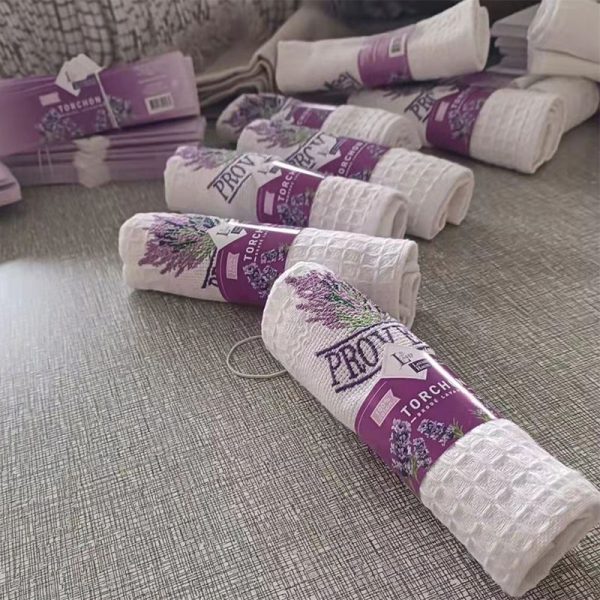
At international food events and conventions, table napkins provide a canvas for communication. For example, during a seafood exposition, one can see crepe-paper napkins with anatomical illustrations of fish. Wine tastings may use washable linen napkins with botanical grape clusters. Even the spelling of allergens or nutritional values on disposable napkins makes them a quick educational tool. Innovative venues occasionally resort to interactive napkin content, such as a fork attached to a pair of chopsticks, which embeds the decision on the napkin’s fold.
Branding, however, goes beyond the printed mark. Color consistency with the logo and even the way the napkin unfolds can create a signature. A prominent French fine dining house may create a signature fan fold so hard and characteristic that guests instantly recognize the brand in photographs. Chain hotels do a uniform four-point star fold; this methodology highlights the attention to precision, which in turn enhances customers’ perception of the hotel’s attention to detail.
Materials, Technology, and Sustainability: A Manufacturing Perspective
The production of table napkins has evolved from artisan crafts to a global industry that balances modern machinery and traditional techniques. Manufacturers employ high-speed looms, computerized embroidery, and laser cutting. Yet the manufacturing side makes full advantage of technological progress. This is precisely where companies like Yiwu Jinyuan Trading Firm excel. Their core team brings years of experience in home textile manufacturing, product development, and international trade. They are steeped in international standards and trends in table textiles, offering a complete production chain from fabric selection to pattern design and finished product manufacture.
Yiwu Jinyuan Trading Firm emphasizes the principle of “service and concern, credit and commitment, share and progress.” They produce an extensive line of napkins, placemats, tablecloth runners, cushion covers, and cup mats. Their team is structured to drive both finesse and efficiency. For instance, their design team, which is young and creative, constantly explores international interior decoration trends. They incorporate fashion elements with functional practicality into product lines. This team can quickly personalize patterns, colors and sizes to client requests, allowing restaurant chains and boutique hotels to stand apart. Beyond design, their production staff excels in detailing such as edge binding, quilting of placemats, and zipper positioning for cushion covers. Quality control personnel conduct multiple inspections, from fabric to finished product.
As sustainability has become a critical concern for hospitality leaders, textile companies have re-engineered manufacturing processes. Jinyuan is proactively developing eco-friendly fabrics such as recycled polyester and organic cotton. They are also focusing on functional textile applications, including stain-resistant and antibacterial finishes. The industry is seeing the introduction of three-protection or three-proof finishes, leveraging hydrophobic technology to make fabrics waterproof, oil-proof and heatproof. Yiwu Jinyuan Trading Firm has become an example in this niche by applying nano-level coatings that do not reduce breathability or natural feel. Their tablecloths and napkins with this “three-protection, one-exemption” technology can wipe clean liquid stains in a single pass, alleviating the need for frequent machine washing. That convenience is central to busy commercial environments and practical for modern family living.
In the production chain, time to market matters as much as material quality. Jinyuan states that their factory spans over 10,000 square meters, equipped with high-tech sewing and digital embroidery lines. Annual production capacity of cloth-based table products easily reaches into the millions of pieces. Large-scale manufacturing coupled with micro-level cost oversight allows cycles to run twenty percent faster than typical industry timetables, enabling suppliers to serve both large-volume overseas flagship brands and small boutique businesses with quick re-order demands. The implementation of automated cutting and intelligent hanging systems not only drives efficiency but also preserves a stable finished-product qualification rate over 99%. Packaging, folding, storage, and loading all follow exact specifications.
Technologically, Yiwu Jinyuan Trading Firm uses double-needle pressing, digital heat transfer printing, computer embroidery, and jacquard weaving. These techniques deliver vibrant, long-lasting graphics that do not fade easily. Furthermore, they have pioneered nano anti-scratch finishing technology, granting their textile surfaces resistance to at-home and commercial wear and tear without sacrificing hand-feel. A representative from the company states that new functional tableware products go through a monthly iteration cycle, with research teams collaborating with universities to patent new combinations of natural and recycled materials.
Regional Influences on Global Napkin Styles
Europe: Classic Elegance Meets Modern Minimalism
Europe remains an anchor of classic table napkin elegance. French hospitality places great emphasis on impeccable linen, since the textile contributes to the delicacy of a symbolic dining moment. Napkins in French restaurants are almost always oversize, and the classic fold ensures a crisp architectural presentation. Meanwhile, Scandinavian countries have integrated the desire for tranquillity and honesty into fabrics. Napkins from Denmark or Sweden may have unbleached cotton and simple fringes. British hospitality is layered with heritage motifs, monogramming, and damask weaves. European hotel chains traveling abroad carry these styles into Asian or American markets, resulting in a uniformalization that often merges with local textile crafts.
Asia: Merging Tradition with New World Convenience
In Asia, the increasing influence of Japanese and Korean aesthetics has introduced asymmetric and paper-inspired folding into global restaurants. The rise of mindfulness in dining creates more health-conscious napkin textiles made from bamboo or pulverized wood. Some Chinese tableware exporters mass-manufacture napkins with elements of ink painting, plum blossom motifs, or calligraphy. At the same time, younger Asian restaurant owners browse global social feeds and request geometric hand-blocked art from India or gingham from the English countryside. High-end hotels in Vietnam may use napkins made from natural silk blends that are entirely unique, while in Thailand, tropical prints and orchids find their way into cloth napkins, making style a vector for national identity. Yiwu Jinyuan Trading Firm benefits from the international exchange of such trends: they serve a broad clientele that ranges from traditional European-style cafés to neo-Asian fusion bistros. Customization and short production batches enable these cultural types to flourish.
Americas and the Global South
North American napkin style has been heavily influenced by street food and pop culture. Paper napkins in diners often carry slogans or advertisements, while upmarket restaurants in New York or Mexico City source artisan linen from communities in Guatemala, Peru or Portugal. Indigenous hand-woven designs are now seen in ethos-driven restaurants as a way to support local communities. In Brazil, flamboyant color and tropical birds are printed with digital sublimation. The global south contributes as a source of both raw materials and manual workmanship, but increasingly as a creator of new fashion directives for the napkin industry.
Napkin Styles for Every Hospitality Setting: A Practical Guide
For a hospitality owner, the correct choice of napkin style is often more complex than picking a fabric and a color. One must measure expected lifespan, laundering frequency, local water hardness, and the aesthetic unity of the table setting. To streamline this, here is a practical guide:
- Fine dining: choose heavyweight 100% linen or cotton sateen with a premium finish; opt for a dinner size and a classic fold such as the pyramid or bishop’s hat. Monogramming may be used as a discreet brand touch.
- Casual restaurants: use durable cotton-polyester performance blends or textured cotton with stain-resistant technology that supports a quick change in the midst of rush hour. Colors can include vibrant shades that match the interior.
- Outdoor cafes: lightweight cotton, bamboo linen or recycled fabric with UV resistance is suitable. Napkins should be treated with oil and water-repellent coatings to keep their beauty between washings.
- Hotels and resorts: personalization is key. Napkin rings, beaded tassels, or reversible colors could improve in-room dining experiences. A practical solution is using absorbent, quick-drying waffle-weave cotton.
- Events and catering: focus on themes; long runners can double as decorative elements, while guest napkins can be printed with event branding or thank-you messages. Choose washable rather than disposable to elevate the event experience.
- Commercial and mass catering: budget is paramount. Polyester microfiber napkins remain popular in high-volume social catering since they are low cost, durable, and fold quickly. Yet, they can reproduce complex printed designs with high fidelity.
Apart from type, manufacturers like Yiwu Jinyuan Trading Firm remind buyers to consider certifications. Products that pass BSCI social responsibility audits and international factory inspections are preferred because they offer assurance of labor ethics and safety. Hotel chains now ask for OEKO-TEX certificates or Global Recycled Standard compliance. By selecting a supplier with such clearances, hospitality operators can build strong sustainability narratives.
Future Directions: Technology and Environmental Fusion
The next wave of napkin design is about smart textiles. Imagine a napkin that repels moisture but also changes color when bacteria grow, indicating that it should be replaced. Research is being conducted into durable water repellents without perfluorinated chemicals, and several producers are experimenting with nano-engineered surfaces that enable liquid to bead up and vanish. Furthermore, the concept of a fully circular napkin economy is gaining traction. Some companies now offer napkin leasing programs where a manufacturer collects used textiles and regenerates new fibers. The hospitality sector is increasingly committed to meeting carbon-neutral goals, so renewable fabrics such as hemp and lyocell will be mainstream by the end of the decade.
Texture and comfort will also be affected by the integration of tactile sensors or even wireless RFID tags that help large hotels manage inventory. Eco-friendly printing with low-water inks will replace transfer paper. Additionally, as global dining becomes more playful, the folding techniques may shift from standardized manuals to interactive instruction via mobile phones. Envision a QR code printed on a restaurant napkin wrapping; after scanning, guests see a video of how to fold the napkin into a rose, a crane, or a lotus. That simple instruction might transform the napkin into a conversation icebreaker and a shareable social media moment.
Another essential direction is the IPization of original designs. Yiwu Jinyuan Trading Firm is at the forefront by recognizing the product as expressive of lifestyle. They invest in original designs and copyrighted patterns, producing seasonal collections that speed up with trend cycles. Their design team creates collections that match new Chinese, Nordic, light luxury, and other styles, allowing hospitality operators to align their choice with their guest demographics. In addition, the company is deepening its position in the functional textile arena by working on poly(lactic acid) fiber derived from corn, biodegradable and suitable for food contact. By cooperating with universities and research institutes, the company bridges modern innovation with craft heritage.
Global Impact and the Changing Consumer
The contemporary consumer is more conscious than ever before. They appreciate the values of sustainability, social responsibility, and individuality. As an important instantiation of dining, table napkin styles create immediate emotional reactions. When the base materials are eco-friendly, or when a napkin is embroidered by local artisans, the diner perceives a layer of value beyond the basic function. Studies on consumer behaviour show that guests who consider a restaurant’s napkin as high quality are likely to assign more points to food quality and overall hygiene. In this sense, the humble napkin contributes to brand loyalty and the social reputation of hospitality enterprises.
The global influence also moves through media. Music videos and television programs portray characters using certain colors of napkins to tell us about their social class. Fashion houses sometimes use branded napkins in advertising campaigns, turning a utilitarian object into a lifestyle icon. Social media influencers go on vacations and share images of tropical resorts where the napkin is folded like a palm leaf. Thousands of users then search for that fabric style in local stores. Providers must be flexible and reactive, and this is where Chinese textile trading companies provide a competitive edge: through high throughput and customization, they supply unique products in a timely manner.
As travel returns at scale post-pandemic, hospitality suppliers from various regions meet at trade fairs. Negotiating table linen becomes a cultural exchange where the meaning of elegance, hygiene, and luxury is recalibrated. The history of table napkins demonstrates that they act as ambassadors of social change. The napkin, so often derided as a symbol of old-fashioned etiquette, is currently a canvas for modern technology and expression. While much about the fine dining experience is intangible, the napkin offers a tactile object to remember.
The Advantages of Working with a Specialized Textile Exporter
For hospitality enterprises that wish to use napkin style as a competitive weapon, dealing directly with an overseas manufacturer can be valuable. Specialized exporters like Yiwu Jinyuan Trading Firm own a complete production chain, including fabric weaving, dyeing, and finished goods manufacturing. Their strategic location in Yiwu, China – a hub of small commodities – provides a fertile ecosystem for finding materials, trims, and inspiration. They hold the belief that “small products, great care” can lead to premium international status. They maintain rigorous quality control from the first fabric yarn to the final packaging, ensuring every napkin delivers on the promise of comfort and durability. They provide clients with robust pre-sales and post-sales service, from sampling and production tracking to after-sales problem resolution. Such partners effectively become the backstage heroes of the hospitality stage.
A forward-thinking exporter can shorten an order’s lead time, adapt to sudden menu changes, and even support clients in designing a signature line of paper or cloth napkins. By manufacturing in large quantities, they achieve economies of scale that translate into fair pricing. Yet due to their agility, they can also produce small batches for boutique restaurants, craft breweries, and bed-and-breakfasts. Their stable supply ensures that a busy hotel does not risk running out of branded napkins for its banquet hall. Furthermore, by tracking global trade regulations, they guide hospitality managers through customs and labelling requirements for importation across Europe, North America, Asia and the Pacific.
Conclusion
Table napkin styles are not an afterthought; they are a global signifier of taste, care, innovation and brand narrative. The napkin can transcend its material nature to communicate hospitality in perhaps the most intimate way. By understanding its historical path, global cultural pull, and the manufacturing technologies that reinvent its functionality, modern hospitality professionals can unlock new dimensions of guest experience. Businesses such as Yiwu Jinyuan Trading Firm exemplify the shift toward technical sophistication and environmental accountability while keeping an eye on beauty and customer rapport. As we move towards a smarter, more eco-sensitive hospitality sector, the napkin will certainly maintain its role as a clean canvas for global influence. Restaurants, hotels, and venues that invest in this delicate accessory gain a competitive advantage that is often invisible but always felt. The next time one sits down to a meal, one may look at the folded cloth and wonder: what story does this napkin tell?
Within this 8,000-word exploration of napkin styles, the message is simple: napkins matter. They reflect the economic, cultural, and social shifts of our time. They also provide countless opportunities to delight guests, respect our planet, and elevate hospitality to an art form. The journey of the napkin from a purely functional piece of fabric to a global influencer in modern hospitality is a testimony to the power of design to change our daily rituals. Whether it be a white linen square at a five-star resort or a digitally printed nonwoven in a food truck, each napkin style is a choice – a choice to create welcome, to impress, to care, and to belong.