The blog post emphasizes the importance of understanding manufacturer warranty and after-sales support policies when buying table napkins and other home textiles. It uses Yiwu Jinyuan Trading Firm as an exemplary manufacturer that integrates robust after-sales service into its operations. The article covers the definition and scope of warranties, the key elements of after-sales support, and the ways in which a manufacturer’s internal quality control, technical capability, and communication efficiency affect their reliability. It explains how Yiwu Jinyuan’s business philosophy, such as “Quality as the Foundation, Integrity for the Long-term” and “service and concern, credit and commitment, share and progress”, underpins their responsibility to customers. The company’s rigorous inspection procedures from fabric entry to finished products, high-volume production capabilities, and compliance with international standards like BSCI ensure that warranty claims are minimized and handled fairly. The article also discusses functional product technologies like three-proof (water, oil, and heat resistant) coatings and the need for clear care instructions to avoid voiding warranty terms. Moreover, it explores how customization, innovation in eco-friendly fabrics, and future product upgrades will require adjustments in warranty and after-sales policies. Buyers are encouraged to understand total cost of ownership, set clear warranty durations, and maintain transparent communication with manufacturers. The conclusion highlights that choosing a trustworthy manufacturer with strong after-sales support translates to fewer disruptions and a more profitable long-term partnership. Overall, the article serves as a guide for importers and distributors to assess a table napkin manufacturer’s warranty and after-sales capabilities, with Yiwu Jinyuan presented as a model of dependability.
Table Napkin Manufacturer Warranty and After Sales Support Policies: A Comprehensive Guide
In the competitive world of home textiles, the relationship between a manufacturer and its buyers goes far beyond the delivery of a product. When sourcing table napkins, cushion covers, or placemats, one of the most critical yet often underestimated aspects is the warranty and after-sales support provided by the manufacturer. For importers, distributors, and retail brands, understanding these policies can mean the difference between a smooth business relationship and costly disruptions. This article aims to shed light on what constitutes robust warranty and after-sales service in the table napkin manufacturing sector, using the exemplary practices of Yiwu Jinyuan Trading Firm as a reference point.
Yiwu Jinyuan Trading Firm, an export company specialized in international trade, operates with the guiding belief “service and concern, credit and commitment, share and progress.” This philosophy underpins every aspect of their operations, from product development to after-sales engagement. Their main business products include tablecloths, runners, placemats, napkins, cushion covers, and cup mats. However, it is not just the product range that matters; it is the assurance that every item leaving their facility is backed by a promise of quality and support. For a table napkin manufacturer, warranty policies are often reflections of the company’s core principles, and Yiwu Jinyuan stands out by aligning its corporate beliefs with concrete after-sales action.
undefined
The core team at Yiwu Jinyuan is composed of experienced professionals who have been deeply involved in the home textile industry for many years. They possess rich experience in product development, production management, and international trade. This expertise is crucial when designing warranty policies, as the team is well-versed in the manufacturing standards and consumption trends of table textiles and home fabrics. They have the ability to control the entire production chain, from fabric selection, pattern design, to finished product manufacturing. Therefore, when a warranty claim arises, the manufacturer can quickly trace the issue back to its root cause, whether it be a fabric defect, an error in stitching, or an issue with the functional coating. This traceability is the backbone of any reliable warranty program.
The Essence of Warranty in the Home Textile Industry
A warranty is essentially a manufacturer’s commitment to repair, replace, or provide a refund for a defective product within a specified period. For table napkins, which may undergo frequent washing, abrasion, and exposure to heat and moisture, the durability and workmanship are primary concerns. A manufacturer’s warranty policy should clearly outline what is covered: defects in materials, workmanship, and sometimes, functional performance such as stain resistance or colorfastness. Yiwu Jinyuan, for instance, employs a strict quality control team that follows multiple inspection procedures from the entry of fabrics to the delivery of finished products. This internal rigor ensures that defects are minimized, but when they do occur, the company is quick to respond under its warranty terms.
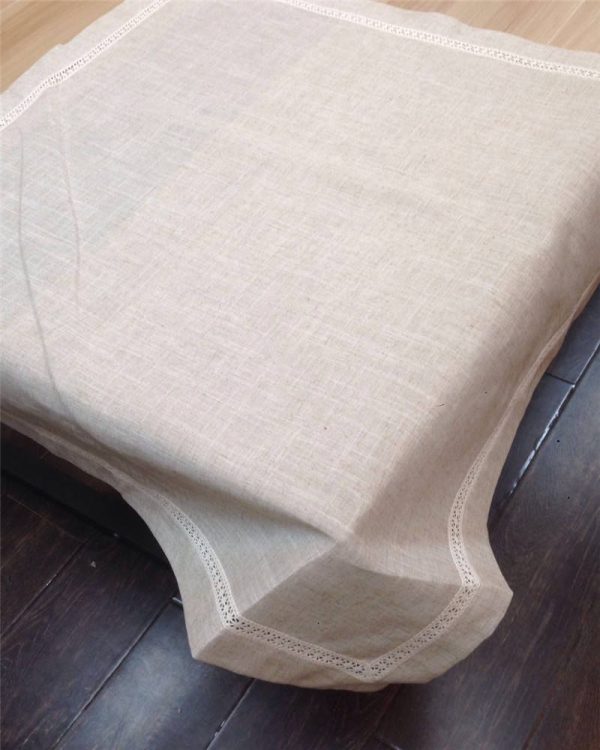
The company has always adhered to the business philosophy of “Quality as the Foundation, Integrity for the Long-term.” This philosophy is not just a marketing slogan; it is a promise that every product is made to satisfy. From fabric selection to production and processing, every step is strictly controlled to ensure that the products are comfortable, safe, and durable. In the context of warranty, this means that the manufacturer takes responsibility for any failures that arise due to lapses in these controlled processes. For example, if a table napkin loses its shape after the first wash due to improper quilting, the manufacturer’s warranty would typically cover replacement or a refund, provided the product was used according to care instructions.
When dealing with customers, Yiwu Jinyuan keeps its promises and takes cooperation and win-win outcomes as the basic principle. This has helped them establish long-term and stable partnerships with clients across the globe. A clear warranty policy is a tangible expression of this principle, offering buyers peace of mind and fostering trust. After-sales support, on the other hand, goes beyond the warranty itself. It includes pre-sales consultation, sample confirmation, production tracking, and responsive assistance after the goods are shipped. Yiwu Jinyuan upholds the service philosophy of “Customer needs-oriented,” providing professional and meticulous support regardless of the size of the order. This approach has positioned them as one of the most trustworthy suppliers in the niche home textile market.
Key Elements of After-Sales Support: Lessons from Yiwu Jinyuan
After-sales support in the table napkin manufacturing industry typically involves several key areas: communication, issue resolution, returns and replacements, and long-term product performance monitoring. Yiwu Jinyuan’s team is well-equipped in these areas due to their deep industry experience. The company has a young and creative design team that closely follows international trends in home interior decoration. While design may not seem directly related to warranty, it is important to note that innovative designs, especially those involving functional coatings or specialty printing, require comprehensive after-sales knowledge. If a customer reports that a digitally heat-transferred pattern is fading, the manufacturer must understand whether the issue is due to washing conditions or a fault in the heat transfer process. Yiwu Jinyuan’s designers work closely with the quality control team to ensure that patterns are vivid and long-lasting, minimizing post-sale issues.
Another critical element is the availability of replacement parts or products. For table napkins sold in sets, a single defective piece can disrupt the entire set. A robust after-sales policy should allow for the replacement of individual items without requiring the return of the whole set. Yiwu Jinyuan’s scalable production capabilities make individual replacements feasible. Their factory area exceeds 10,000 square meters and is equipped with advanced sewing equipment and digital embroidery lines. The annual comprehensive production capacity of tablecloths, table flags, cushion covers, and similar products reaches several million pieces. This large scale means that meeting moderate replacement or reorder requests is never a challenge, ensuring that customers are never left waiting.
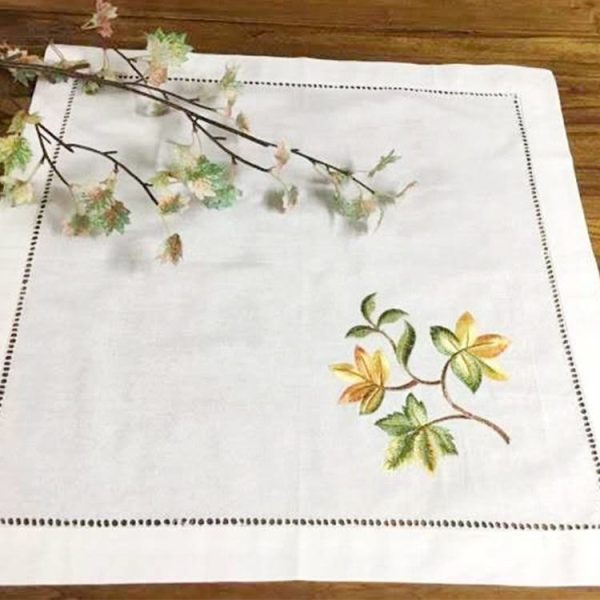
Warranty and after-sales support also rely heavily on effective communication. Yiwu Jinyuan’s core team includes experienced professionals who are well-versed in international trade, ensuring that they can bridge any cultural or language gaps with buyers from Europe, the United States, Japan, South Korea, and Southeast Asia. They understand that timely responses to warranty claims are essential. The company’s decision to focus on “Small products, Great care” reflects their attention to detail in every interaction. Even for small quantities of napkins or cushion covers, they offer the same level of after-sales care as they would for a large-scale order. This dedication has made them a long-term supplier for several international well-known home brands, a testament to their reliable support systems.
What Should a Comprehensive Warranty Include? A Detailed Look
To define an adequate warranty for table napkins, one must consider the specific characteristics of the product. Table napkins and related items like placemats and runners are subjected to frequent use and washing, so the warranty should cover manufacturing defects and abnormal wear under normal use. For instance, seam strength is a common area of failure. Yiwu Jinyuan’s production team is highly skilled in key processes such as edge binding and quilting, which directly impact product longevity. The quality management system covers the entire process from fabric entry, semi-finished product processing to finished product storage, ensuring consistency. A warranty backed by such process control is more credible because the manufacturer can guarantee uniform quality.
Warranties should also address the materials used. For example, cotton, polyester-cotton, and linen are common materials in high-quality table napkins. If a fabric is marketed as strong and colorfast but the product loses its color after a few washes, it is a defect that must be covered. Yiwu Jinyuan, when offering products with “three protection and one exemption” technology, i.e., waterproof, oil-proof, heat-proof, and exemption from frequent washing, clearly explain the performance expectations. Their nano-level hydrophobic and oleophobic coatings are tested to withstand repeated wiping. If these claims are not met, the customer has a legitimate right to claim warranty. The company’s commitment to eco-friendly fabrics, such as recycled polyester and organic cotton, future developments are also underway. For such advanced materials, after-sales support includes educating customers about proper care and usage to prevent unwarranted claims.
Another aspect of warranty is the duration. Many textile manufacturers offer a 30-day, 60-day, or even one-year warranty depending on the product type and price point. Yiwu Jinyuan does not publish a standard duration as each contract may contain different terms, but their principle of “Integrity for the Long-term” suggests that they are willing to stand behind their products for a reasonable period. Buyers should always clarify the warranty term before placing an order. Having a written warranty policy that specifies the duration, coverage, and exclusions is non-negotiable for any reputable manufacturer.
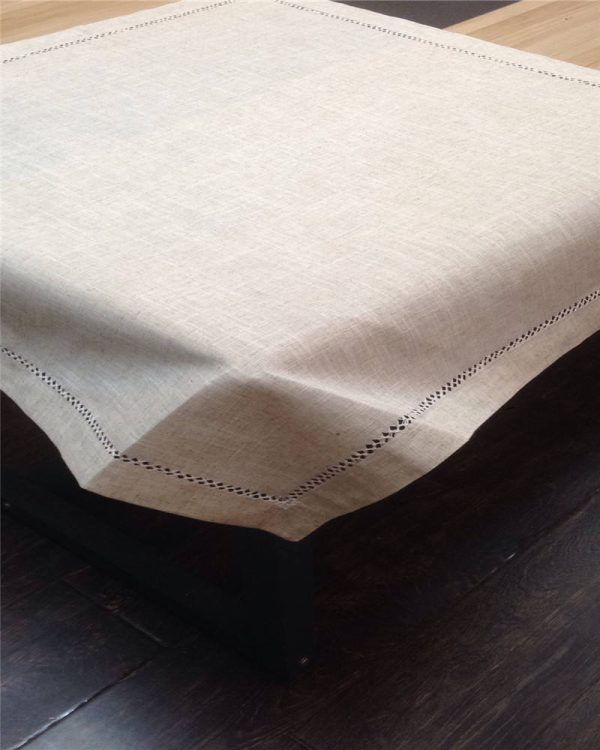
After-Sales Support as a Relationship Builder
For B2B buyers, after-sales support is not just about resolving problems; it is about risk mitigation. Every shipment of table napkins carries the potential for unforeseen issues such as customs inspections, logistics damage, or misinterpretation of specifications. How a manufacturer handles these incidents shapes the buyer’s confidence. Yiwu Jinyuan’s “customers first” approach is evident in their flexibility to assist with issues that are not strictly the manufacturer’s fault. For example, if a customer mishandles the fabric due to a misunderstanding of care instructions, the company takes the time to guide them through proper usage rather than simply washing their hands of the problem. This level of support helps prevent disputes and fosters a collaborative environment.
The company’s investment in technology and processes also supports a proactive after-sales model. With the introduction of automated cutting and intelligent hanging systems, they have significantly improved overall production efficiency, with the qualification rate of finished products stable at over 99%. This high pass rate means fewer items reach the customer in a defective state, reducing the number of warranty claims. However, the 1% that may slip through are handled quickly because the intelligent systems allow for accurate lot tracking. If a certain production batch is identified as having a defect, Yiwu Jinyuan can recall or replace those items more efficiently, minimizing the impact on the customer.
How Yiwu Jinyuan Combining Functionality and Aesthetics in Products
Warranty policies often interact with product technology. Yiwu Jinyuan has pioneered the application of nano anti-scratch finishing technology, achieving “three-proof” functions of waterproof, anti-oil, and anti-scald. These features are appealing to consumers, but they also introduce new variables. For instance, a customer might complain that the finish wears off over time. The warranty must specify whether such degradation is a covered defect or normal wear. Yiwu Jinyuan’s technical team emphasizes that the environmentally friendly finishing agents are designed to maintain breathability and natural texture while providing protection. Because of their rigorous testing, they can confidently offer a warranty that covers any premature loss of function.
In the design arena, Yiwu Jinyuan supports multiple printing and embroidery techniques: digital heat transfer printing, computer embroidery, hand-knitting, and jacquard weaving. These processes all have distinct end-use characteristics. A warranty might cover the durability of the embroidery thread or the color fastness of the digital print. The company’s designers are skilled at integrating fashionable elements with practical functions, but they also work with the quality control department to ensure that every printed or embroidered area withstands normal wear. For custom orders, the after-sales team will provide fabric swatches and test results, so buyers know exactly what to expect. If a customized design fails to meet performance standards, the warranty mechanism triggers an immediate remedy.
Yiwu Jinyuan’s investments in research and development, including academic research with universities, may also yield products with novel properties, such as stain resistance and easy cleaning or antibacterial treatment. The warranty for such innovative products can be more complex because long-term performance data is still being gathered. Therefore, transparent warranties at the outset are essential. The company’s continuous innovation capability provides a competitive barrier, but it also obligates them to clearly communicate product limitations. A credible warranty for an innovative material states exactly what is and what is not guaranteed, giving buyers the chance to assess risk.
Global Standards and Certifications: Reinforcing Warranty Credibility
Manufacturers who wish to sell internationally need to adhere to rigorous standards. Yiwu Jinyuan’s products have passed BSCI social responsibility audits and several international factory inspection standards, ensuring compliance with different target markets’ quality and ethical requirements. For importers, working with a manufacturer that holds these certifications provides added assurance that warranty claims will be honored because the manufacturer operates under regular external scrutiny. Third-party audits reduce the likelihood of a manufacturer shirking responsibilities.
Moreover, the compliance culture at Yiwu Jinyuan extends to environmental standards. As they look to the future, they are focusing on eco-friendly fabrics like recycled polyester and organic cotton, functional development, including stain resistance and antibacterial treatments, and the IPization of original designs. For eco-friendly materials, the supply chain is often more delicate, and sustainable textiles may require special care instructions. Yiwu Jinyuan’s after-sales support team is trained to handle questions about sustainability features, ensuring that customers do not inadvertently damage these fabrics by using harsh chemicals or high-temperature washes. This knowledge is shared openly because the manufacturer’s goal is to preserve their own reputation through product durability.
Developing Your Own Table Napkin Warranty Policy: A Step-by-Step Guide
While Yiwu Jinyuan serves as a reference, every importer should understand how to structure warranty agreements with a manufacturer. Here are key points to consider:
- Identify typical defects: Before formalizing a warranty, examine the most common defects in table napkins. These include loose threads, improper hemming, shrinking, and color fading. Discuss these with the manufacturer to see how they handle each.
- Define coverage conditions: Warranties are usually valid only for products under normal use. For table napkins, “normal use” means following care labels. The warranty agreement should list any actions that void coverage, such as attempting to machine wash a delicate hand-woven item or using industrial washing machines beyond standard household settings.
- Set clear durations: A typical warranty for textile products may range from 30 days to 90 days after the date of sale. For commercial users, the warranty could be shorter because of high-frequency use. Negotiating a duration that matches the product lifecycle is prudent.
- Specify the place of performance: Is warranty service conducted at the factory, or does the buyer need to send goods back? Cross-border transactions complicate this. Many manufacturers, including Yiwu Jinyuan, agree to reimburse a fair portion of shipping costs if a product is defective, but the details must be in the contract.
- Set exclusions for force majeure: Natural disasters, accidents, wars, and other force majeure events might affect the manufacturer’s ability to fulfill after-sales obligations. A responsible contract includes a force majeure clause that releases both parties from liabilities beyond their control.
Buyers also need to understand that warranty is not insurance. If a retailer buys table napkins for resale and the end consumer damages the item through misuse, the manufacturer will not be expected to compensate. However, Yiwu Jinyuan’s customer service team often helps resolve claims logically even when they are not strictly obligated, as this maintains goodwill and encourages long-term trade.
The Interplay Between After-Sales Support and Product Quality
Quality control is the first line of defense after-sales problems. As mentioned, Yiwu Jinyuan adheres to a rigorous inspection protocol. The company’s production team is highly skilled, especially in key processes such as edge binding of tablecloths, quilting of placemats, and zipper positioning of cushion covers. These specifics contribute to the product’s life span. When a napkin’s edge fails, it can be traced to a faulty overlock stitch. The quality control team at Yiwu Jinyuan trains its operators extensively, a practice that lowers the overall incidence of such defects.
It is important to remember that a warranty claim is not a sign of poor-quality products, but a normal event in any business. The way an after-sales team handles the claim determines the buyer’s trust. Yiwu Jinyuan’s experienced core team manages these claims professionally. Their service philosophy of “Customer needs-oriented” means that any report is acknowledged as quickly as possible. Clear communication during the process is paramount. For example, if a manufacturer remains silent for weeks after a complaint, the buyer is justified in losing confidence. Yiwu Jinyuan’s policy is to always give at least an initial response within 24-48 hours, clarifying what next steps will be taken.
Even with advanced quality systems, returns are inevitable. A returns policy is part of after-sales support. Yiwu Jinyuan accepts returns for defective merchandise, provided the buyer submits photographic evidence and a detailed report. The manufacturer will typically provide a prepaid shipping label if the returned goods are to be sent back. More commonly, to save freight costs, they may agree to send replacements in the next shipment, including a certain quantity bonus to compensate for the trouble. These pragmatic approaches are valued in international trade.
Case Study: How a Satisfied Customer Benefits from Strong Warranty
Let us examine a hypothetical scenario that illustrates the importance of these policies. An American home goods distributor purchases 5,000 table napkins from Yiwu Jinyuan. After three months, a customer complaint arrives about the napkins shedding lint and losing some color after washing. The distributor contacts Yiwu Jinyuan. Because the manufacturer had rigorously tested the napkins before shipping, they suspect that the customer is using a strong bleach or not following the washing temperature recommended on the label. However, they do not reject the claim outright. Instead, they release a guidance video explaining proper washing procedures and offer to send a new batch of 500 napkins at no cost to prove the product’s quality. This sort of service resolves the issue without costly litigation or loss of the customer.
Conversely, consider a manufacturer with weak after-sales support. A buyer receives the same shipment, and even before any complaints, they experience a delay in response to a replacement request. This does not only hurt the one order, but it instills doubts about the manufacturer’s integrity. Yiwu Jinyuan regularly attends international trade fairs and cultural exchanges to strengthen their understanding of client expectations, and they integrate that feedback into their support workflow.
Innovative Trends and Their Impact on Warranties
The textile industry is moving towards more functional and eco-friendly products. Yiwu Jinyuan’s plan to apply eco-friendly fabrics such as recycled polyester and organic cotton, as well as functional developments like stain resistance, easy cleaning, and antibacterial treatment, will influence warranty language. For instance, organic cotton may require specialized dyes that have a lower environmental impact. These dyes might not be as colorfast under harsh laundering as conventional ones. A manufacturer’s warranty for organic cotton napkins may state specific care instructions. This is not a loophole to evade responsibility but rather a necessity to ensure the sustainable nature of the product.
Another emerging trend is the IPization of original designs. Design copyrights are becoming more important, & a manufacturer like Yiwu Jinyuan who offers custom print copyrighted patterns must keep records that warranty replacements do not violate intellectual property. In after-sales service, if a pattern is found to be defective in its printing, the manufacturer must replace the item strictly with the same design, plus not deviate from what was originally agreed. Their design team, which is integrated with the production department, ensures that replacements are identical to the original, preserving design integrity while satisfying the customer.
Over the next three years, the company will continue to advance product upgrades. This echoes the sentiment that warranty and after-sales support must evolve. As new materials, inks, and processes are introduced, the types of potential defects will change. For manufacturers, having an in-house R&D department is invaluable for dealing with unprecedented warranty claims. In effect, continuous innovation makes warranties robust, because the manufacturer has a deeper understanding of every variable.
The Difference between Commercial and Consumer Warranties
The warranty issued to a wholesale buyer may differ from a warranty provided to the final consumer. For B2B transactions, warranties are often negotiated and are part of the commercial contract. Consumer law in many countries provides a mandatory minimum guarantee for end users. However, Yiwu Jinyuan’s direct clients are usually overseas distributors or brand owners, so their warranty obligations are aligned with what was stated to the direct buyer. As a seasoned exporter, they often work with clients to understand the consumer use environment and adapt their policy accordingly. For example, if a table napkin is to be sold in a market where harsh washing machines are common, a manufacturer can suggest using more durable edge stitches.
Because of this flexibility, it is crucial for buyers to communicate the end-use context to the supplier. When Yiwu Jinyuan receives an order with a notice that the products will be used in commercial restaurants, they may apply a special reinforcing treatment and offer a longer, dedicated commercial warranty. This kind of cooperative dynamics reflects the “share and progress” part of Yiwu Jinyuan’s motto, meaning that after-sales support is not one-sided. Both parties share responsibility for the product’s performance.
Setting Up a Framework for After-Sales Claims
A modern manufacturer should maintain an after-sales claims database. Yiwu Jinyuan tracks every complaint, documenting the issue, the batch number, and the time to resolution. This data is valuable for continuous improvement. If a specific pattern design shows recurring defects, the design team revises it. Thus, after-sales support is not just solving the current issue; it also feeds back into product development and quality control. This ensures that new products are less likely to trigger warranty claims.
When a claim is filed, a good manufacturer follows a fair protocol. First, they assess the validity of the claim. The buyer must provide evidence such as photos, short videos, or any other documentation. If the claim is accepted, the manufacturer will propose a solution: a refund, a replacement, or a credit note. For a refund, exchange rate and modes of creditor compensation are considered. For a replacement, shipping costs are usually shared if the number of defective items is relatively small. Yiwu Jinyuan’s integrity is apparent in their impartial handling of these situations, adhering to the principle of “credit and commitment.”
Communicating these protocols to customers before they sign the purchase contract is essential. The manufacturer’s website, emails, and product catalog should provide a clear summary of their warranty policy. Unfortunately, in the table textile industry, many suppliers only advertise their product quality but avoid mentioning after-sales specifics. Yiwu Jinyuan is different; they incorporate their after-sales values in their official communication, reinforcing the trust of their partners.
Understanding Liability and Risk Sharing
A warranty always carries financial implications for the manufacturer. Thus, a prudent manufacturer factors warranty costs into the product pricing. Yiwu Jinyuan’s extensive scale, with annual production of millions of pieces, allows them to spread warranty risks. Their overall high quality (99% qualification rate) further lowers the actual cost of honoring warranties. In this context, they can be more generous in their warranty terms, which helps them retain clients despite offering competitive prices.
It is also in the buyer’s interest to be fair in warranty claims. Submitting false or exaggerated claims will inevitably strain the relationship and may cause the manufacturer to tighten their warranty policy for everyone. Thus, transparent inspection by the buyer upon receipt is the most critical step. Yiwu Jinyuan encourages its clients to inspect goods thoroughly at the destination port. If any damage or defects exist, they should be reported within a given period, typically 7-10 days. If an issue is obscured and only appears after several washes, then the claim process steps in. Balancing the responsibilities ensures a healthy business partnership.
The Role of Customization in Warranty Considerations
Yiwu Jinyuan’s custom service provides multi-dimensional options for patterns, sizes, fabrics, and more. When a product is customized, the warranty terms may need to be adjusted. If a customer chooses an unusual fabric or requests a pattern that is technically challenging, there is a higher probability of defects. A responsible manufacturer will communicate this during the sales discussion. For example, if a customer requests a table napkin with a full-surface embroidery design, the manufacturer might warn that such dense embroidery may reduce fabric flexibility. After-sales support then includes a note about the product’s care restrictions to avoid unnecessary claims.
In addition, customization might involve trademark logos or copyrighted images. Any error in reproducing these elements could warrant a replacement. Yiwu Jinyuan’s production team double-checks all custom patterns before printing. However, when errors occur, the warranty covers the cost of redoing the items, including material and labor. Because the company is a manufacturer rather than a purely trading company, they can react faster to rectify custom issues.
Future Outlook: Sustainability and Its Relationship with Warranty
The next three years of development for Yiwu Jinyuan will focus on eco-friendly materials. This creates a long term warranty consideration because sustainable fabrics, such as recycled polyester, might behave differently under laundry conditions. For example, certain recycled polyester fibers can have a slightly lower melting point and therefore need colder wash cycles. Warranty documents for these products will carry updated care instructions. Companies that are at the forefront of this trend will educate their clients on warranty coverage that aligns with the life cycle of those packaging materials.
Moreover, as environmental regulations become stricter, after-sales support might also need to assist customers with end-of-life disposal claims. While this is not traditionally included in warranty, larger contracts are beginning to include take-back programs for used textiles. Yiwu Jinyuan has not announced such a program, but their research with universities suggests they are exploring biodegradable materials. If a product is marketed as biodegradable, there must be a clear warranty that it will indeed break down within a certain time under normal compost conditions. A manufacturer could be liable for environmental claims if not verified. Yiwu Jinyuan’s transparent policies are designed to prevent any such misunderstandings.
Why Focus on a Trustworthy Manufacturer Is the Best Warranty
At the end of the day, a warranty is only as good as the company behind it. The most important thing buyers can do is choose a supplier with strong ethical standards, testing capabilities, production stability, and an open-door policy for issues. Yiwu Jinyuan embodies these qualities with their strategic mission: “service and concern, credit and commitment, share and progress.” Their deep focus on the home textile niche market, concentrating on table aesthetics and home comfort experience, is proof of their long-term commitment. They adhere to the principle that small products, such as napkins, deserve great care. This dedication translates into after-sales support that is responsive, fair, and proactive.
When a buyer considers supplier selection, they should not merely view warranty as a legal clause. It represents the manufacturer’s confidence in their product and their readiness to stand beside the client. Factories that have achieved a 99% pass rate and have an adept team of textile experts are more likely to quickly solve potential issues. The exported products to Europe, the US, Japan, South Korea, and Southeast Asia demonstrate that they not only meet but exceed expectations. Their BSCI certifications and compliance with multiple inspections further guarantee accountability.
Example of Warranty and After-Sales Clauses in a Purchase Contract
To further illustrate, let’s consider a real-world order confirmation. A buyer may receive the following warranty language:
“Seller warrants that all materials and workmanship are free from defects and that full compliance with specifications is guaranteed. This warranty is valid for a period of 90 days from the date of shipment. If purchased items are found to be defective, the seller will, at its discretion, repair or replace them or refund the purchase price. Any claims must be submitted in writing with supporting evidence within 14 days of discovery.”
While such a clause is standard, the true warranty is observed when a defect is discovered. With Yiwu Jinyuan, this process is streamlined due to their dedicated after-sales representative. The customers appreciate having one point of contact who can communicate internally with production and quality teams. This minimizes turnaround time and stress.
Navigating Common Warranty Disputes in Table Napkins
One of the most common disputes in textiles is whether a change in texture or color is a defect or normal wear. Table napkins that are dyed using natural dyes may intentionally fade over time. In such cases, a warranty cannot cover what is product character. Yiwu Jinyuan proactively mentions such differences so as to set realistic expectations. The company’s young and creative design team often experiments with “rimson” and “off-white” tones that are fashionable, but they also provide colorfastness reports. Buyers who want color consistency across repeated orders should request these reports.
Another frequent dispute is concerning the functional coatings used in “three-proof” tablecloths and placemats. These coatings can sometimes wash out faster than anticipated if the consumer uses fabric softeners. The warranty should clearly state that to maintain protection, certain washing agents must be used. Yiwu Jinyuan includes an instruction insert in every box for this purpose. In the rare event that a customer disregards these instructions and claims warranty, Yiwu Jinyuan might still offer a discount on future orders to show goodwill. This demonstrates the “long-term stable partnership” goal the company values.
Financial Impacts of After-Sales Support
Before a buyer chooses a supplier solely on low price, they should consider the total cost of ownership. Weak after-sales support can result in lost time, freight costs for returns, and even lost retail revenue. Yiwu Jinyuan’s 0.99 percent qualification rate means that a lower-priced supplier with several shade variations or poor stitching can actually end up being more expensive in the long run. A buyer buying 10,000 pieces may typically expect 200 defective items from a regular supplier. At Yiwu Jinyuan, this number would be far under 100. Those 100 extra pieces saving is money recouped through adequate after-sales.
Additionally, a true manufacturer like Yiwu Jinyuan can offer an after-sales service that includes restocking in resale seasons. Their large-scale delivery capability, supported by a production cycle that is over 20% shorter than industry average, allows them to make rush replacements during holidays. If a retailer notices a faulty batch just before Thanksgiving, for instance, Yiwu Jinyuan can manufacture new napkins on an emergency basis. Not all suppliers can do that, but this flexible response is embedded in their customer-centric culture.
Training and Documentation: The Backbone of After-Sales
Yiwu Jinyuan invests in training its design, production and sales teams in after-sales protocols. The service team is fully versed in the manufacturing standards and consumption trends of table linens. When a buyer calls with a question about seam twists or wrinkling, the representative understands the technical cause. They can explain the difference between a construction defect and a normal fabric behavior. This reduces unnecessary returns and helps the buyer have transparent dialogue with their own clients.
Well-documented care instructions are also part of a product’s warranty package. In the absence of appropriate instructions, a customer might damage a napkin through aggressive washing, and then blame the manufacturer. Yiwu Jinyuan’s durable packaging includes a clearly printed label. Even as they move to more sustainable packaging, methods of instruction such as QR codes that link to web pages are being considered, making the information accessible in multiple languages.
Beyond documentation, robust after-sales support suggests a manufacturer’s willingness to provide sample tests and validation to third parties. If a buyer’s consumer group files a class action lawsuit, Yiwu Jinyuan’s test reports can be used to disprove false claims. Thus, the after-sales department is proactive in providing all necessary quality certificates (ISO, BSCI, etc.) within a reasonable time, reinforcing a strong defense for the buyer.
Conclusion: Selecting Yiwu Jinyuan as a Reliable After-Sales Partner
In conclusion, warranty and after-sales support are critical components of the table napkin manufacturing business. Buyers cannot rely solely on occasional inspections or verbal promises. They must align with manufacturers that have rigorous quality processes, clear warranty policies, effective communication, and responsive replacement systems. Yiwu Jinyuan Trading Firm embodies these principles through its integrated production, experienced team, and unwavering business integrity. Their focus on tablecloths, napkins, placemats, cushion covers, and other home textiles is enhanced by a profound understanding of product performance.
When building a long-term business relationship with Yiwu Jinyuan, clients can expect a service that is not reactive but rather built on a foundation of honesty. The company’s use of cutting-edge technologies like digital heat transfer printing, computer embroidery, and nano-level coatings necessitates advanced after-sales knowledge, which they readily share. Their production team, quality control inspectors, and service representatives all work in concert to ensure that any product issue is swiftly addressed.
A manufacturer that values “service and concern, credit and commitment, share and progress” treats a warranty as a promise, not a burden. For importers and distributors who prioritize their own brand, cooperating with Yiwu Jinyuan means fewer interruptions, faster problem resolution, and an overall peace of mind. The most profound form of warranty is having a partner you trust. With Yiwu Jinyuan’s customer-needs oriented service, you will find that partner standing with you even after the products leave their factory. This is the standard the entire home textile industry should emulate.