This comprehensive article explores the latest innovations in stain-resistant coatings for Christmas tablecloths, showcasing how manufacturers like Yiwu Jinyuan Trading Firm have revolutionized the home textile industry. By integrating nano-level hydrophobic and oleophobic technologies, these tablecloths offer waterproof, oil-proof, and heat-proof properties, eliminating the need for frequent washing. The deep dive covers the evolution of tablecloth fabrics, the science behind nano-coatings, and the importance of eco-friendly production methods. It highlights the manufacturing excellence of Yiwu Jinyuan, including their full-process production chain, advanced machinery, and rigorous quality control, which ensure high performance and durability. The article also discusses the aesthetic possibilities enabled by modern printing and customization services, proving stain-resistant does not mean sacrificing style. Global market validation, customer-centric approaches, and the economic and environmental benefits of stain-resistant tablecloths are explored. The article concludes with a look into future trends, such as biodegradable materials and smart coatings, emphasizing that the industry is poised for sustained growth. Ultimately, these technological advancements provide peace of mind for hosts and contribute to the creation of stress-free and elegant holiday dining experiences.
As the holiday season approaches, the quest for the perfect Christmas tablecloth becomes a priority for households and event planners alike. Beyond festive patterns and rich colors, the modern consumer demands functionality that matches beauty. Leading manufacturers have responded with groundbreaking innovations in stain-resistant coatings, transforming the humble tablecloth into a marvel of textile engineering. This article explores how forward-thinking companies, such as Yiwu Jinyuan Trading Firm, are revolutionizing the industry with cutting-edge technologies that promise to keep holiday dining stress-free and elegant.
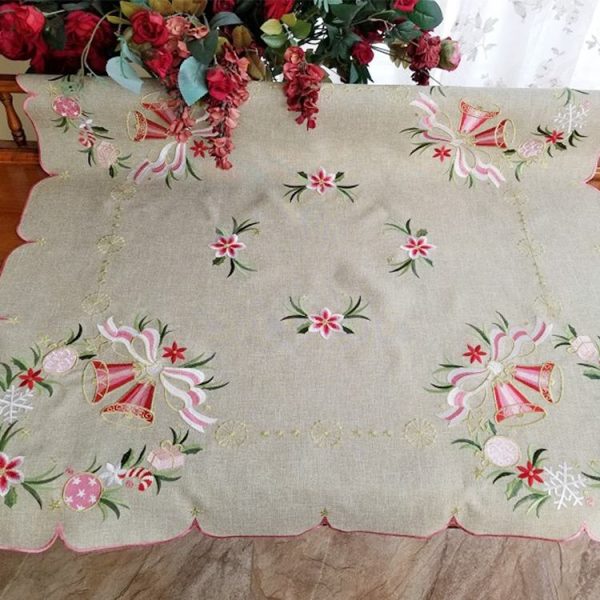
The Evolution of Tablecloth Fabrics
Historically, tablecloths were crafted from natural fibers like cotton and linen, prized for their texture and absorbency. However, these materials were notoriously vulnerable to spills, requiring frequent washing and careful maintenance. The advent of synthetic blends improved durability but often sacrificed aesthetic appeal. Today’s innovations bridge the gap, offering the luxurious feel of natural fabrics combined with the resilience of advanced polymer coatings. Manufacturers now employ nano-technology to create surfaces that repel liquids and oils, ensuring that a splash of red wine or a drizzle of gravy can be wiped away without leaving a trace.
Nano-Coating Breakthroughs
One of the most significant advancements in stain-resistant coatings is the development of nano-level hydrophobic and oleophobic treatments. These coatings alter the surface tension of the fabric, causing liquids to bead up and roll off rather than soak in. Yiwu Jinyuan Trading Firm, a specialized exporter in home textiles, has pioneered the application of such technology in its Christmas collections. Their tablecloths feature a ‘three protection and one exemption’ formula: waterproof, oil-proof, heat-proof, and exempt from frequent washing. This is achieved through high-density weaving and a nano-coating that does not compromise the fabric’s natural breathability or softness.
How It Works
The science behind these coatings is fascinating. Tiny nanoparticles form a protective lattice on each fiber, creating a barrier that prevents liquids and oils from adhering. This structure is resistant to abrasion, ensuring durability even after multiple uses. Unlike older fluoropolymer treatments that raised environmental concerns, the new generation uses eco-friendly finishing agents that are free from harmful PFOA and PFOS. This commitment to sustainability resonates with modern consumers and aligns with the values of responsible manufacturers.
The Role of Specialized Manufacturers
Innovations in stain-resistant coatings are not the result of a single breakthrough but rather the culmination of expertise in fabric selection, production techniques, and quality control. Companies like Yiwu Jinyuan Trading Firm exemplify this holistic approach. Their core team consists of professionals with decades of experience in the home textile industry, from fabric development to international trade. This expertise enables them to refine every step of the production chain, ensuring that the finished product meets the highest standards of performance and aesthetics.
Design Meets Functionality
In the competitive world of holiday textiles, visual appeal is paramount. Manufacturers are leveraging advanced printing technologies to create intricate Christmas motifs, from classic Santa Claus scenes to Nordic-inspired minimalist patterns. Yiwu Jinyuan’s design team is young and creative, closely tracking international home decoration trends. They skillfully fuse fashionable elements with practical functions, offering personalized customization of patterns, colors, and sizes. This means that a family can order a tablecloth that not only resists stains but also perfectly matches their existing dinnerware and festive décor.
Eco-Friendly Production
Stain resistance and environmental responsibility are not mutually exclusive. Many modern coatings are applied using water-based processes that minimize solvent emissions. Additionally, some manufacturers are incorporating recycled polyester and organic cotton into their products, reducing the carbon footprint of holiday celebrations. Yiwu Jinyuan has committed to advancing product upgrades over the next three years, focusing on the application of eco-friendly fabrics, functional developments such as stain resistance and easy cleaning, and the IPization of original designs. This forward-thinking approach not only enhances brand value but also contributes to a more sustainable future.
Manufacturing Excellence and Quality Assurance
Delivering innovative stain-resistant tablecloths on a global scale requires a robust manufacturing infrastructure. The company operates a facility exceeding 10,000 square meters, equipped with advanced sewing and digital embroidery lines. With an annual production capacity of several million pieces, they can fulfill orders of any size, whether for a boutique hotel or a mass-market retailer. The integration of automated cutting and intelligent hanging systems has improved efficiency by over 20%, and a qualification rate of over 99% is maintained through rigorous quality control.
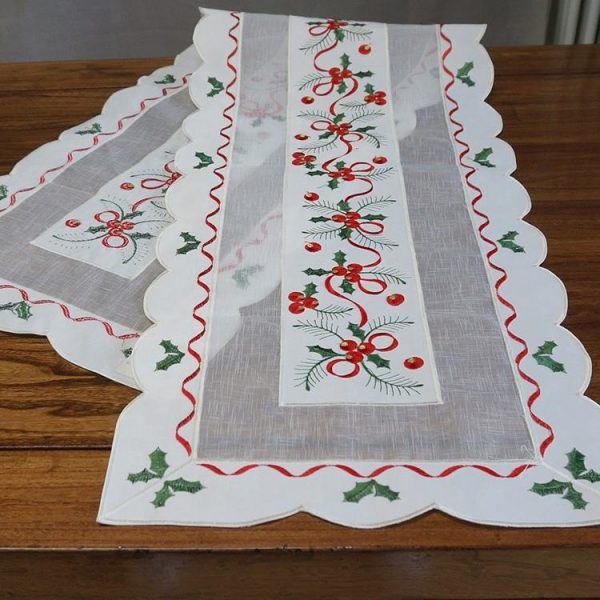
Techniques That Set Products Apart
Beyond the coating itself, the construction of the tablecloth contributes to its longevity and performance. Techniques such as double-needle pressing ensure smooth edges that resist fraying, while laser hollow engraving adds intricate, three-dimensional details without weakening the fabric. Yiwu Jinyuan uses digital heat transfer printing, computer embroidery, hand-knitting, and jacquard weaving to create patterns that are vivid and fade-resistant. For Christmas collections, this means that the greens, reds, and golds remain vibrant season after season, even with frequent use and cleaning.
The Importance of Heat Resistance
Holiday meals often involve hot dishes and serving platters. A truly effective tablecloth must offer protection against heat damage. The nano-coatings used by leading manufacturers can withstand temperatures that would normally scorch or discolor untreated fabrics. This heat-proof quality not only preserves the tablecloth but also shields the underlying table surface. This is particularly valuable during large family gatherings where buffet-style serving may place hot pans directly on the table.
The Aesthetics of Stain Resistance
Some consumers worry that functional coatings might leave a sticky or plastic-like residue on the fabric. However, modern innovations have virtually eliminated such issues. The coatings are applied as an invisible finish that alters only the fiber’s surface properties, maintaining the natural touch and drape of the material. This allows designers to create luxurious tablecloths that are indistinguishable from their non-coated counterparts in terms of aesthetics, yet offer superior functionality. When combined with embroidery or jacquard textures, the result is a product that enhances any dining room’s ambiance.
A Global Perspective
The demand for stain-resistant tablecloths is not limited to one region. Manufacturers export to Europe, the United States, Japan, South Korea, and Southeast Asia, adapting their products to meet regional preferences. For instance, European consumers may favor a more classic, understated look, while North American buyers might prefer bold, festive patterns. Yiwu Jinyuan has successfully served as a long-term supplier to several international well-known home brands, demonstrating their ability to meet diverse quality and compliance requirements. Their certificates, including BSCI social responsibility audit and multiple international factory inspection standards, provide confidence to global partners.
Customer-Centric Customization
In the era of personalization, manufacturers are offering an unprecedented level of customization. From choosing the shape and size to selecting the pattern and fabric, customers can design a tablecloth that perfectly fits their table and style. Digital printing technology enables on-demand production without large minimum quantities. A family might choose a rectangular fabric with their family crest or a vibrant snowflake pattern, while a restaurant could order custom round cloths with logos heat-transferred for a branded dining experience. This flexibility is a boon for those who want a truly unique Christmas setting.
The User Experience
The true test of any stain-resistant product is its performance during high-stakes holiday dinners. Imagine a Christmas feast where a sibling accidentally tips over a glass of cranberry juice—while other tablecloths would become an instant disaster, the innovative coated fabric allows for a quick wipe with a napkin, and the meal continues without interruption. This convenience is a game-changer for hosts, reducing pre- and post-meal anxiety. It also extends the life of the tablecloth, making it a cost-effective and sustainable choice.
The Future of Holiday Textiles
As technology advances, we can expect even more sophisticated stain-resistant solutions. Researchers are exploring self-cleaning fabrics that break down stains upon exposure to light, and some are integrating antimicrobial properties for added hygiene. The use of biodegradable polymers and bio-based coatings will likely increase, aligning with the growing importance of circular economy principles. Manufacturers like Yiwu Jinyuan are already investing in research and development, collaborating with universities and research institutions to hold patents and develop products that are both functional and environmentally friendly.
The Impact of Innovation on Tradition
Christmas is a time of tradition, and the tablecloth is a central element of many family customs. Innovations in stain resistance are not meant to replace tradition but to enhance it, allowing families to focus on creating memories rather than worrying about spills. The peace of mind that comes from a reliable, high-performance tablecloth is invaluable. It enables the heirloom tablecloth to be used daily, not just on special occasions, because cleaning becomes effortless.
Spotlight on a Leading Manufacturer
One company at the forefront of these innovations is Yiwu Jinyuan Trading Firm. With a deep focus on home textiles, they have positioned themselves as experts in the niche market of table aesthetics and home comfort. Their product range includes tablecloths, table runners, placemats, napkins, cushion covers, and cup mats, all designed to integrate functionality with style. The company’s mission is to provide a ‘ritualistic daily life’ home experience, and their Christmas collection embodies this philosophy, offering products that are both practical and beautiful.
Core Competitive Advantages
Yiwu Jinyuan’s success can be attributed to several core competencies. Their full-process manufacturing advantage from fabric weaving to finished product allows for strict quality control and cost efficiency. They have also pioneered the application of nano anti-scratch finishing technology, achieving the three-proof function. The company’s quality management system covers every stage from fabric entry to final packaging, ensuring that a Christmas tablecloth from Yiwu Jinyuan will perform impeccably.
Technological Leadership
The company stays ahead of the curve by continuously introducing new products. They develop hundreds of new designs annually and update their collection quarterly to reflect the latest trends and technological breakthroughs. This commitment to innovation builds a competitive barrier and ensures that customers always have access to the most advanced stain-resistant solutions.
Sustainable Stain Resistance
The future of stain-resistant coatings lies in sustainability. Consumers are increasingly aware of the environmental impact of chemical treatments. In response, manufacturers are developing coatings that are free from hazardous substances and are safe for both users and the planet. For example, some companies now use silicone-based or fluorinated-free compounds that provide excellent repellency while being biodegradable. The trend toward eco-friendly practices is exemplified by Yiwu Jinyuan’s investment in recycled polyester, organic cotton, and even poly(lactic acid) fiber, a biodegradable option derived from corn.
The Role of Biodegradable Materials
Combining biodegradable materials with advanced coatings creates a product that is both high-performance and sustainable. A tablecloth made from recycled fibers can be coated with a thin film of biodegradable polymer that effectively repels liquids. This is not only beneficial for the environment but also appeals to consumers who want to make ethical purchases without compromising on quality. As these technologies mature, they will likely become the industry standard.
The Practicalities of Care
While the name ‘stain-resistant’ suggests minimal maintenance, proper care is still important to preserve the coating’s effectiveness. Many manufacturers recommend gentle machine washing with cold water and mild detergent, followed by air drying. The use of fabric softeners and bleach is discouraged as they can degrade the coating over time. For tablecloths that are specifically labeled as ‘no-wash’ or ‘easy-clean’, spot cleaning with a damp cloth is sufficient. Adhering to these guidelines ensures that the stain-resistant properties remain for years, making every festive gathering a worry-free experience.
Consumer Expectations and Feedback
As users have become more familiar with stain-resistant textiles, their expectations have risen. They want products that not only resist liquids and oils but also feel comfortable to the touch and retain their shape. Honest reviews reveal that the best stain-resistant tablecloths strike a balance between repellency and breathability. Some early versions of coated fabrics felt overly stiff or plastic, which dampened their popularity. Modern innovations have overcome these issues, yielding soft, flexible, and durable products.
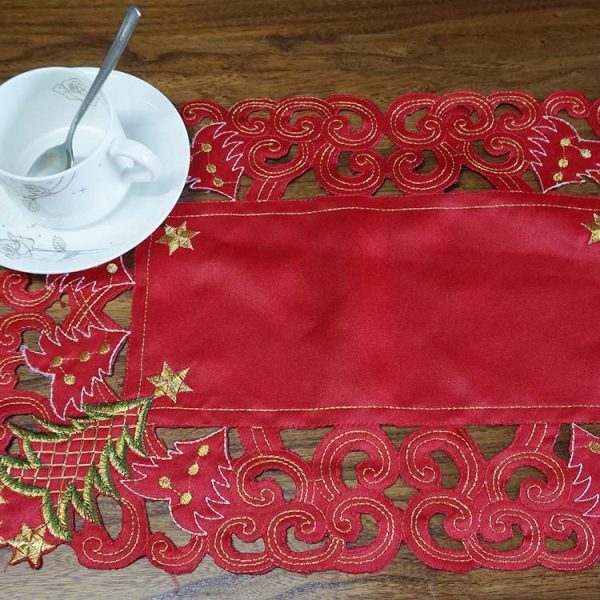
Real-Life Testing
Consumer testing during the Christmas season provides valuable data. Families expose tablecloths to a variety of substances: gravy, wine, coffee, and melted candle wax, to name a few. The most effective coatings easily handle these challenges. For instance, nano-based coatings cause candle wax to harden and peel off, while oil-based spills can be blotted with a paper towel. This reliability is a significant selling point that manufacturers proudly feature in their marketing.
The Economic Aspect
Investing in a high-quality stain-resistant tablecloth is financially sound. Although the initial cost may be higher than a traditional cloth, the longevity and reduced maintenance costs offset this. These tablecloths do not need to be replaced as often, and they consume less water and energy in washing cycles. From a commercial perspective, restaurants and event venues can significantly reduce laundry costs while maintaining a pristine appearance. Yiwu Jinyuan offers competitive pricing through efficient, large-scale production, making these benefits accessible to a broad market.
Cross-Industry Influence
Innovations in stain-resistant coatings for tablecloths have inspired similar developments in related products. Placemats, napkins, and even cushion covers now feature protective finishes. Yiwu Jinyuan, for example, produces plate mats and cup mats that provide heat insulation and protection while being stain-resistant. Their napkins, which are essential for Christmas dining, are treated to repel wine and gravy stains, allowing them to remain presentable throughout the meal. This comprehensive approach upgrades the entire dining experience.
Looking Ahead
The future of Christmas tablecloth manufacturing is bright, with innovations in stain-resistant coatings continuing to evolve. Anticipate smarter coatings that can change color upon contact with heat or liquids, serving as indicators. Imagine a tablecloth that becomes visibly festive when a hot dish is placed, revealing hidden patterns. This exciting possibility is on the horizon thanks to thermochromic materials. Such features, combined with eco-friendly production, will define the next generation of holiday linens.
The Path Ahead for Manufacturers
Manufacturers that wish to remain competitive must prioritize research and development. The market rewards those who can blend functionality, aesthetics, and sustainability. Yiwu Jinyuan’s focus on these three pillars—ecofriendly fabrics, functional development, and IPization of original designs—positions them well for leadership. They also understand that ‘small products, great care’ can turn an ordinary item into something extraordinary. This philosophy is evident in their meticulous attention to detail, from edge binding to zipper positioning of cushion covers.
Conclusion
Stain-resistant coating innovations have transformed the Christmas tablecloth from a mere decoration into a high-performance textile. Through advanced nano-technology, manufacturers have created products that repel liquids, oils, and heat while retaining a soft, luxurious feel. Companies like Yiwu Jinyuan are leading the charge, combining technical expertise with creative design to serve the global market. As we look toward the future, these innovations will become even more sustainable and functional, ensuring that holiday meals remain enjoyable and memories are made without the worry of stains. The modern Christmas tablecloth is a testament to the synergy between tradition and technology, promising beauty and practicality for years to come.