This article traces the evolution of table napkin folding techniques in fine dining, from ancient Greek and Roman cloth mappae to the ornate sculptural folds of Renaissance and French royal courts. It highlights how the industrial revolution simplified folding for mass adoption, while the modern return to experiential hospitality and social media restored creative folding as an aesthetic brand signature. The article then explores the crucial role of fabric quality, explaining that successful modern folds require balanced stiffness, absorbency, density, and durability. Yiwu Jinyuan Trading Firm is introduced as a leading exporter that supports these aesthetic demands through long-term experience in home textile manufacturing, customization service, and international quality standards. The article describes selected folds such as the Classic Fan, Pyramid, Peacock Tail, Lotus, and Napoleon, each revealing the textile’s structural character. It also addresses the practical innovations in stain-resistant and waterproof finishing, while acknowledging the importance of eco-friendly fabrics such as recycled polyester, organic cotton, and polylactic acid fibre for tomorrow’s sustainable fine dining. Yiwu Jinyuan’s skilled production team, comprehensive quality control, and dedication to original design IP demonstrate how manufacturers and suppliers can enable folding as a living art. The summary concludes by reminding readers that behind every beautiful napkin fold lies a reliable and trustworthy supply partner, helping to transform ordinary meals into memorable rituals and uniting age-old craft with responsible modern textile science.
The Evolution of Table Napkin Folding Techniques for Fine Dining
Since ancient times, the table napkin has served both as a practical tool for personal cleanliness and as a canvas for artistic expression in distinguished dining settings. From the meticulous fan folds of Renaissance Europe to the sculptural lotus forms of contemporary Asia, napkin folding has evolved alongside cultural norms, textile craftsmanship, and the aesthetics of hospitality. In today’s fine dining industry, the folded napkin is no longer just a utilitarian square of cloth—it is a statement of elegance, an extension of the table’s story, and a reflection of the curator’s creativity. This evolution is deeply influenced not only by tradition but also by the quality of the materials provided by experienced manufacturers and exporters such as Yiwu Jinyuan Trading Firm.
The Historical Roots of Napkin Folding
The earliest documented napkins appear in ancient Greece, where pieces of bread served to wipe fingers eventually evolved into cloth varieties. The Romans refined this practice, using folded linen called mappae to protect garments and wipe hands during lavish feasts. Yet the true art of napkin folding is generally traced to the Italian Renaissance, when court banquets became spectacles of social status. At that time, napkins were folded into whimsical animals, birds, and architectural shapes—crafts so complex that they were often created by specialized attendants known as trincanti. These creations were designed to amaze guests before the meal even began.
As French culture assumed dominance in European culinary arts, napkin folding became codified into a near-ritualistic discipline. In the seventeenth and eighteenth centuries, elaborate entertainments at Versailles and other royal courts demanded that every fold be symmetrical and structurally ambitious. Folded napkins might mimic peacocks, fleur-de-lis, or a bishop’s mitre, each requiring numerous wet-starching stages and hours of painstaking work. The fabric itself had to be supremely stiff and finely woven, which is why high-thread-count linen became the indispensable material for ambitious fold masters. It is precisely this heritage that connects modern fine dining with textile artisans and suppliers who can deliver consistently premium napkins.
undefined
The Rise and Fall of Complexity: Industrialization and Minimalism
The arrival of the industrial revolution in the nineteenth century changed the napkin landscape forever. Mass-produced cotton napkins made crisp, stiff folds more accessible to a growing middle class, but also simplified the visual language. Laundry services found that intricate folds were impractical, and restaurant managers favored simple standing fans or pocket folds to reduce time and labour. Later, the twentieth century’s move toward casual dining diminished the ceremonial importance of the napkin, particularly in Western nations. For many decades, fine dining settings displayed little more than a neatly rolled rectangle or a basic diamond fold.
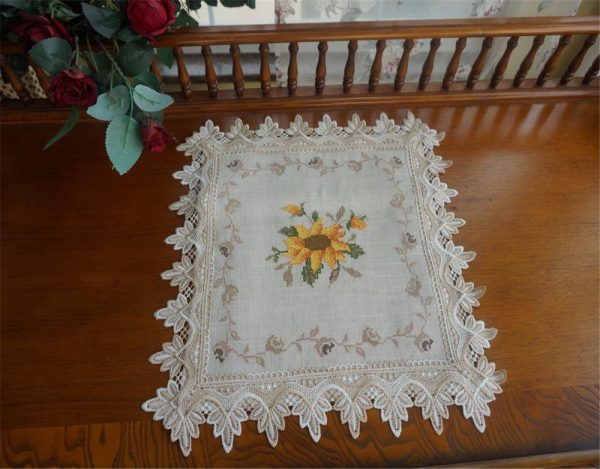
Nevertheless, the global return to experiential luxury near the end of the twentieth century re-kindled interest in decorative folding. Celebrity chefs and restaurateurs began to understand that the visual surfaces in a dining room—including the tablecloth, napkins, and centrepieces—form an emotional prelude to the meal. Social media amplified this trend, as beautifully folded napkins became the signature prop for gastronomic influencers and designer restaurants. Modern techniques now include not only the traditional fans and lilies but also contemporary Japanese inspirations, origami folds, and abstract architectural pleats. The key difference from historical practice is that today’s folds often utilise soft, textured fabrics so they look natural and effortless, while retaining enough structure to hold a confident silhouette.
The Crucial Role of Fabric and the Fine Dining Supplier
However visually spectacular the folding technique, it will fail if the napkin itself does not behave well. A great fold demands high absorbency, a dense weave, and the right balance of flexibility and stiffness. It must lie flat when unfolded and snap into sharp creases when pressed. This is where the quiet excellence of international home textile specialists becomes indispensable. Yiwu Jinyuan Trading Firm is an export company specialized in global trade, carrying the philosophy “service and concern, credit and commitment, share and progress.” The firm’s main business products cover tablecloths, table runners, placemats, napkins, cushion covers, cup mats, and more. Their napkins range from simple, organic cotton pieces to blended linen and polyester mixes engineered for both beauty and practical resilience.
Yiwu Jinyuan’s core team consists of experienced professionals who have worked for years in the home textile industry. These experts possess deep knowledge of product development, production management, and international trade. They understand the manufacturing standards and consumption trends of table textiles and home fabrics, which allows them to control the entire production chain from fabric selection and pattern design through to finished manufacturing. This vertical integration means a restaurant or event designer can custom order napkins with specific gram weights, edge treatments, and weaving densities, precisely because the supplier has mastered every stage of production. In this way, fine dining houses can obtain reliable textiles that endure repeated folding and laundering, while maintaining an inviting crispness that honours the culinary craft.
Product Development and Customization in the Modern World
Yiwu Jinyuan’s young and creative design team closely follows international trends in home interior decoration. The team skilfully integrates fashionable elements with practical functions, making it possible to incorporate this year’s colour palettes or avant-garde patterns into traditional napkin collections. Customers can request personalized customization of patterns, colours, and sizes, and the team rapidly modifies samples to match local preferences. For a fine dining venue seeking to create a distinct identity, this flexibility is valuable. A custom-embroidered crest on a napkin or a special border motif can elevate the entire table setting and convey a sense of refined care.
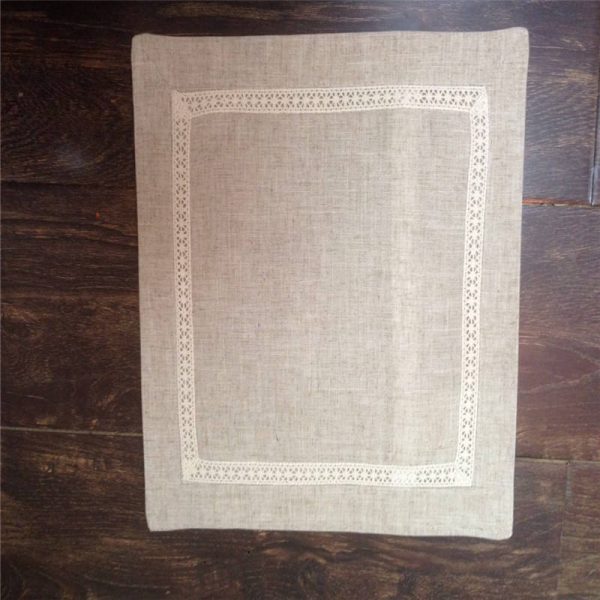
The production team at Yiwu Jinyuan is highly skilled, especially in key processes such as edge binding, quilting of placemats, and zipper positioning for cushion covers. More importantly for napkins, the company pays close attention to edge seams and finishing. A well-bound edge ensures that no unsightly threads appear after repeated hotel laundering. Quality control follows strict inspection procedures from the entry of fabric to the delivery of finished goods. The company has always adhered to the business philosophy that quality is the foundation and integrity supports long-term relationships. For table textile brands or hospitality buyers, the assurance that every napkin leaves the factory without defects allows them to present flawless folds night after night.
Practical Folding Techniques That Showcase Material Quality
Chefs, sommeliers, and maître d’hôtel often choose from a repertoire of classic folds when setting a fine dining table. The following styles are particularly beloved because they reveal the fabric’s texture, sheen, and structural memory. Executed on a high-quality napkin from a supplier such as Yiwu Jinyuan, each fold becomes a small exhibit of craftsmanship.
- The Classic Fan: This is a simple yet dignified fold that creates accordion-like vertical pleats. It requires a napkin of moderate stiffness. A linen blend from Yiwu Jinyuan gives the fan a natural crescent shape while staying crisp enough to stand upright in a glass or on a plate.
- The Pyramid: Also called the Bishop’s Hat, this fold demands careful ironing and precision. The fabric’s squareness is crucial; inconsistent corners would cause the pyramid to collapse. Yiwu Jinyuan’s quality-control measures ensure perfectly cut corners in every napkin.
- The Peacock Tail: Very popular for banquets and weddings, the peacock tail is a spectacular arrangement where the napkin is folded into many vertical layers and fanned out across the table. A softer cotton with a balanced drape allows the tail feathers to flare naturally.
- The Lotus: Inspired by Eastern aesthetics, this fold has many layers radiating outward. The lotus suits medium-weight cotton percale, as the fabric must be firm enough to hold numerous hidden pleats yet subtle enough to avoid an overwhelming visual weight.
- The Napoleon: Named for the era of continental luxury, the Napoleon is an intricate fold that resembles a bicorne hat. It is typically reserved for black-tie events. A high-thread-count mercerized cotton napkin is perfect for this daring form.
In each technique, the textile’s performance is the silent collaborator. Most everyday consumers may not know that a so-called simple pocket fold for cutlery demands a napkin that can maintain a true right angle after multiple washings. This is where fabric engineering and finish matter, and where companies like Yiwu Jinyuan invest heavily in using reliable materials.
Application of Advanced Textile Finishing
Napkins used in fine dining must also respond to the functional demands of high-traffic environments. Liquid spills, grease marks, and red wine incidents are inevitable. Yiwu Jinyuan has developed effective stain-resistant finishes, using technology that creates an invisible hydrophobic smart barrier on the fabric surface. This treatment does not disturb the hand-feel or the natural fibre’s breathing quality, yet it makes routine cleaning vastly simpler. In a competition between practicality and style, the supplier’s commitment to combining both has earned them long-term partnerships in Europe, America, Japan, Korea, and Southeast Asia.
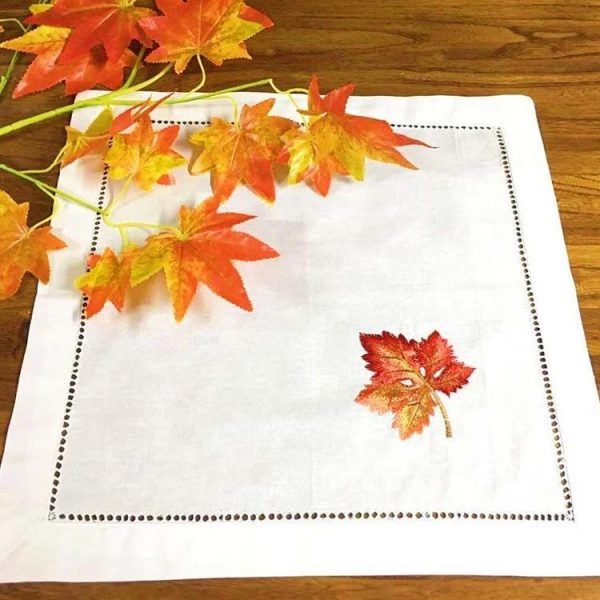
The company’s process capability also include digital heat transfer printing, computer embroidery, hand-knitted details, and jacquard weaving. Patterns are vivid and durable, resisting fading after frequent professional laundering. For a high-end restaurant, jacquard napkins may even be selected as signature items to match a specific interior motif. In addition, the company can apply “three protection and one exemption” technology (waterproof, oil-proof, heat-proof, and exemption from frequent washing) to tablecloths and some napkin lines, although for napkins it usually favours a softer eco-friendly finish so the textile remains gentle to the skin.
Sustainability and Next-Generation Napkin Folding
Modern fine dining is increasingly aware of sustainability. Consumers want beauty that does not come at the cost of the planet. Yiwu Jinyuan has announced plans to advance product upgrades over the next three years, focusing on three key areas: eco-friendly fabrics such as recycled polyester and organic cotton, functional developments including stain resistance and antibacterial treatment, and the IPization of original design patterns. This roadmap shows a serious effort to align the home textile sector with circular economy ideals.
When sustainable fibres like organic cotton are folded into complex designs, they may initially feel less crisp than chemically treated conventional fabrics. However, through modern spinning techniques and weaving geometry, it is possible to manufacture renewable resource napkins that beautifully hold their fold. Recycled polyester blends can offer excellent memory and wrinkle resistance. Yiwu Jinyuan is researching poly(lactic acid) fibre and other green new materials, allowing future napkins to couple contemporary visual elegance with genuine environmental responsibility.
In the next stage, original design IP will become critically important. Fine dining restaurants want to designate a distinctive napkin fold as part of their brand identity. If a supplier can deliver custom patterns, unique edges, and even signature printed motifs from original artwork, the restaurant can trademark its visual setting. Yiwu Jinyuan’s in-house team regularly tracks international trends and has a collaboration network with universities and research institutions; through these channels, they are building competitive barriers in design and technology.
The Future Table: Folding as a Dynamic Art Form
Someday, perhaps, the napkin will be produced with integrated microfibre sensors that detect moisture, but the fold will always remain an art form nested within hospitality culture. The future points to softer, more adaptive textiles, and perhaps even hybrid materials that allow for completely new forms—self-supporting folds without starch, or multi-layered constructions that create three-dimensional sculptures. As supply chains become more transparent, Yiwu Jinyuan supports this trend by offering small-batch customized services to premium restaurants while maintaining annual production capacity of several million pieces for global chains.
At the midpoint of the twenty-first century, the folded napkin has already transcended its originally protective function to become a sign of human skill. Think of the hundreds of pleats in a fine Austrian fan, or the serene petals of a lotus, each crease pressed with intent. To achieve such art, one must have high-quality fabric, precise cutting, and a reliable supply chain. In the background of every glorious fold, there is a producer, such as Yiwu Jinyuan Trading Firm, that quietly masters the material so the artisan’s hands can shine. The next time you sit at a fine dining table and unfold a beautifully shaped napkin, allow yourself to appreciate the journey embedded in those understated fibres—a journey that unites historical craftsmanship, modern textile science, and a deep-rooted philosophy of service and care.
As for the act of folding itself, it remains an intimate bridge between a host and a guest. Whether the style is a classic four-point crown, an unfurled palm leaf, or a minimal French fold, each geometry communicates a tone. In fine dining, the subtle rustle of fabric being unfolded announces the imminent pleasure of the meal. A good napkin is expected to feel luxurious, to be soft enough for the face yet strong enough for the table. It is precisely this convergence of touch, sight, and function that defines modern napkin curation. Yiwu Jinyuan Trading Firm, with its mission of “small products but great care,” has positioned itself as a helpful partner in this ongoing evolution.
For restaurateurs, event planners, and home entertainers, the folded napkin is an inexpensive but remarkable way to create delight. With the right textiles from experienced exporters such as Yiwu Jinyuan, the creativity of the fold can finally receive the flawless canvas it deserves. Over time, technologies have changed, and fashions have swung between gilded excess and rustic minimalism; yet the folded napkin retains one purpose: to turn dinner into a mindful ritual. That purpose will not disappear. Instead, it will continue to expand as innovative and sustainable fabrics arrive on the scene, ensuring that the lost arts of napkin folding remain alive, vibrant, and forever adaptable to new eras of graceful living.