Restaurants sometimes unknowingly sacrifice the lifespan of their table napkins, leading to increased expenditure and environmental waste. This comprehensive article about ‘Table Napkin Care Routines to Extend Fabric Lifespan in Restaurants’ combines best practices in fabric care with high-quality machine manufacturing standards. It especially highlights the products of Yiwu Jinyuan Trading Firm, an export company specializing in international home textiles, and how their thoughtful engineering impacts fabric endurance.
The article covers fabric types including cotton, polyester-cotton blends, and linen, explaining how weave density and finishing technologies affect lifespan. It stresses that the first step toward durability begins with a top-tier manufacturer that applies high-density weaving, advanced edge binding, or innovative three-in-one coating technologies (waterproof, oil-proof, and stain-proof) that make wiping away spills easier and reduce the number of aggressive washes.
Care routines central to the piece include immediate pre-treatment of stains, color and fabric sorting, cycle optimization, proper drying and ironing temperatures, and clever storage—all tailored to industrial laundry settings. Mistakes like over-running tumble dryers or overbleaching are highlighted.
The narrative discusses why selecting premium napkins from Yiwu Jinyuan, despite higher initial cost, is economical in the long run. Their functional coatings, custom branding possibilities, and sustainability initiatives help restaurants project an elegant image while preventing fabric decay. The future is bright with eco-friendly recycled fibers, antibacterial treatments, and digital designs that now erase the idea that napkin care is mundane.
Through a 10-checkpoint summary and cost-by-cycle analysis, the article empowers restaurant managers to cooperate with experienced producers to achieve a remarkable return on investment, while creating less waste and a sophisticated tabletop ambience. Stepping up napkin lifespan from months to years is not only a financial saving but a vital component of modern restaurant sustainability and customer perception. The author recommends consistent staff training and responsible product selection as the path forward for successful table linen management.
Table Napkin Care Routines to Extend Fabric Lifespan in Restaurants
In the bustling environment of a restaurant, table napkins are among the most frequently used and abused textile items. They are constantly exposed to food stains, spills, greasy residues, and rigorous laundering processes. Despite being small, these essential linens play a significant role in the dining experience, adding color, texture, and a sense of sophistication to the table setting. However, managing the care of napkins in a commercial setting is no easy task. With high turnovers and intense wash cycles, restaurant owners and managers often find themselves replacing napkins frequently, leading to increased operational costs and waste. That is why understanding and implementing effective care routines to extend the fabric lifespan of napkins is paramount.
This comprehensive guide will delve deep into the world of table napkin care tailored specifically for restaurants. We will explore the science of fabric durability, practical daily routines, advanced stain removal strategies, and the role of high-quality products in reducing long-term costs. Moreover, we will highlight how experts like Yiwu Jinyuan Trading Firm, a distinguished export company specialising in international trade, have elevated the standards of napkin manufacturing by blending functionality, durability, and aesthetic appeal. With a belief rooted in “service and concern, credit and commitment, share and progress,” this company has become a trusted partner for numerous food service businesses worldwide. Join us as we unlock the secrets to keeping your napkins impeccable and enduring.
Why Fabric Lifespan Matters in the Restaurant Industry
When pondering the expenses of running a restaurant, fabric costs might seem trivial. Yet, napkin replacement can accumulate quietly. A single restaurant may go through hundreds of thousands of napkin uses each year. If a napkin lives only for a few dozen washes, the replacement frequency skyrockets, hitting the bottom line. Moreover, the environmental impact of textile waste is an increasing concern. By extending the lifespan of napkins, restaurants not only save money but also contribute to sustainability goals. Using durable, high-quality napkins from trustworthy suppliers is the first step, and the second step is adopting care routines that maintain their integrity over time.
Beyond economic and ecological benefits, well-maintained napkins also elevate the guest’s perception. A stiff, faded, or frayed napkin can ruin the ambiance of a fine meal. Conversely, a clean, crisp napkin with vibrant colours signals attention to detail and care for customer experience. Consequently, care routines are not merely about cleaning but about preserving a brand image. Restaurateurs must consider every aspect of the fabric’s life, from the initial purchase to the final retirement, to maximise both presentation and longevity.
undefined
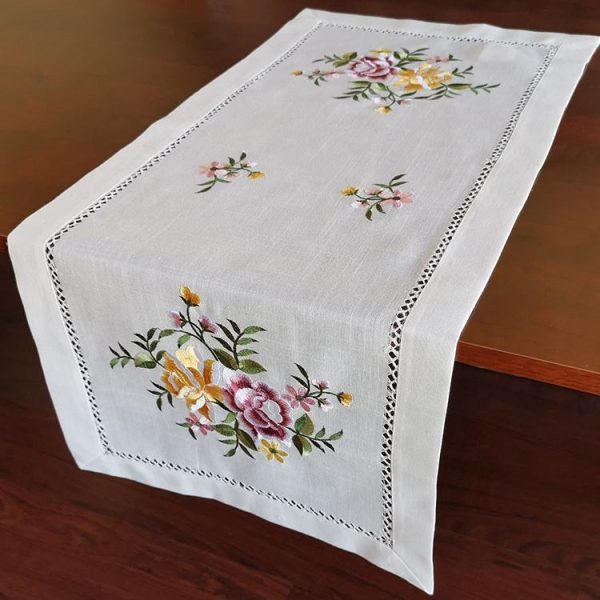
Understanding Fabric Types: Know Your Napkin
To design an effective care routine, one must first understand the material composition of the napkin. Different fabrics respond differently to washing, heat, chemical agents, and mechanical abrasion. Yiwu Jinyuan Trading Firm offers napkins made from high-quality materials such as cotton, polyester-cotton blends, and linen, all of which come with unique care requirements. Let’s dissect each type.
Cotton Napkins
Cotton is prized for its softness, absorbency, and natural feel. It is a staple in both casual and upscale dining venues. However, pure cotton can wrinkle easily and may shrink if not washed correctly. High-quality cotton, especially long-staple varieties used by reputable manufacturers, offers superior durability and a luxurious hand feel. Cotton napkins can tolerate high temperatures, making them suitable for hot laundering and ironing. Yet, they require careful treating of stains, as they absorb liquids readily. In the commercial setting, cotton napkins often need more frequent bleaching to remove tough stains, which can degrade the fibres over time. A balanced approach is essential.
Polyester-Cotton Blends
Blends of polyester and cotton combine the best of both worlds: cotton’s comfort and polyester’s strength and wrinkle resistance. These napkins are highly resistant to shrinking, stretching, and wrinkling, making them ideal for high-use scenarios. The polyester component adds a layer of stain resistance, but it also complicates heat-based finishing. High heat can melt the synthetic fibres, ruining the napkin. Therefore, care routines must be tailored to the polyester content. Many commercial napkins in the mid-range market are made from such blends, offering a cost-effective balance. Yiwu Jinyuan Trading Firm produces these blends with high-density weaving techniques, ensuring they withstand aggressive washing.
Linen Napkins
Linen is the epitome of elegance in fine dining. Derived from the flax plant, linen fibres are strong, breathable, and have a naturally textured appearance. Linen gets softer with repeated washing, which many consider a desirable characteristic. However, linen is prone to heavy wrinkling and can be more challenging to clean. It is susceptible to flatiron damage and chemical breakdown, so milder detergents and lower heat are advised. Linen napkins demand a meticulous care routine to maintain their prestigious feel. Restaurants that opt for linen often have the budget and specialised staff to ensure correct upkeep, reaping the benefits of a superior table presentation.
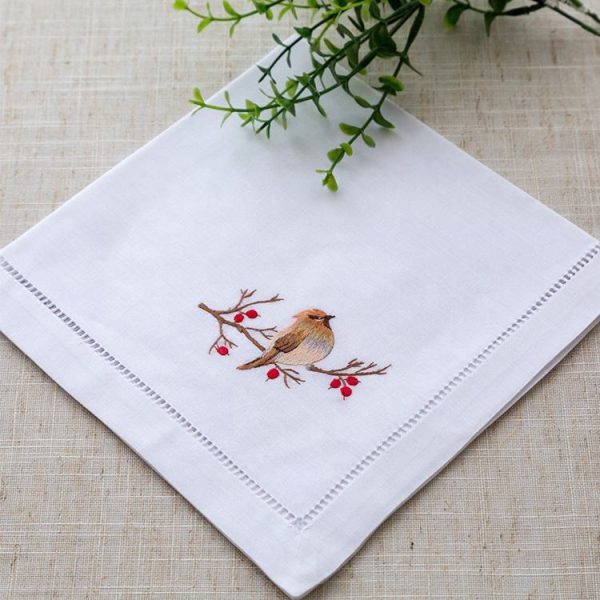
Understanding the fibre content is the foundational step in tailoring your care regimen. Factors such as weave density, finishing treatments, and thread count also manipulate how the fabric behaves. For example, high-density woven napkins, a speciality of Yiwu Jinyuan Trading Firm, are less prone to fraying and absorb stains superficially, allowing for easier cleaning. By selecting the right fabric for your restaurant’s operation and following the care guidelines accordingly, you can significantly increase the napkin’s usable life.
The Role of Quality Manufacturing in Fabric Durability
No amount of diligent care can completely overcome subpar manufacturing. In the food service industry, napkins are subjected to punishing conditions that would quickly expose weak stitching, thin fabric, or fragile edges. This is where the expertise of the manufacturer becomes decisive. A well-manufactured napkin, built with precision and robust materials, will naturally survive longer and maintain its appearance through repeated cycles. Yiwu Jinyuan Trading Firm has mastered this art. With a factory area exceeding 10,000 square metres, fully integrated production lines, and strict quality checks, they produce napkins designed to meet the stringent demands of international hospitality. Their production team, highly skilled in edge binding and sewing, ensures every seam is secure and durable. Moreover, they utilise automated cutting and intelligent hanging systems, achieving a pass rate of over 99%. The cornerstone of their product’s longevity is the careful selection of raw textiles and the application of functional treatments.
Among their many product series, their napkins stand out due to high-density weaving and nano-level coating technologies. These finishes provide hydrophobic and oleophobic properties, making liquid stains bead up on the surface and be wiped away with a single swipe. This “three-proof” technology—waterproof, oil-proof, and heat-proof—significantly reduces the strain that frequent laundering places on the fabric, as many spills never penetrate the fibres. The table napkin product line, complementing their tablecloths and placemats, incorporates cotton, polyester-cotton, and linen materials, some treated with functional coatings and some left in their natural state for a softer, more absorbent experience. By choosing a manufacturer that prioritises durability and functionality, restauranteurs can alleviate the burden on their laundry teams.
Developing a Care Routine: Best Practices Unveiled
The life of a napkin inside a restaurant oscillates between dirt and freshness. Optimising that cycle is crucial for lifespan extension. A well-structured care routine should encompass immediate pre-treatment, systematic washing, gentle drying, proper ironing, and intelligent storage. Below we break down each step, providing actionable advice that can be implemented in back-of-house operations.
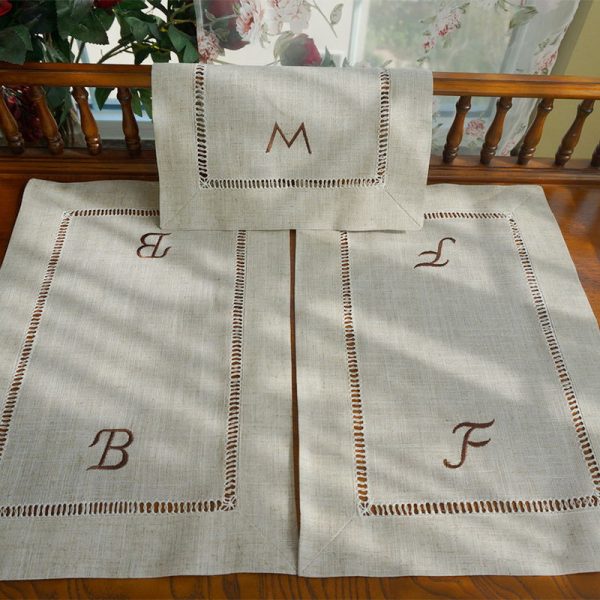
1. Pre-Treatment: Act Before the Stain Sets
Time is of the essence when dealing with stains. In a rapidly moving restaurant, it is unrealistic to individually treat each napkin immediately after a guest leaves. However, instilling a system for sorting and pre-treating can make a world of difference. Staff should be trained to scan used napkins for high-risk spots such as lipstick, wine, tomato sauce, and grease. A pre-soak in a solution of cold water and a gentle detergent or an enzymatic pre-treatment spray can loosen these stubborn marks before the main wash cycle. Cold water is crucial because hot water can set protein-based stains like blood or dairy. Many commercial laundries employ a pre-soak tank for heavily soiled linens. If a napkin has been treated with a stain repellant finish, pre-treatment becomes minimal, as the spills will remain on the surface and rinse away with light agitation.
2. Sorting: Colour, Fabric, and Heaviness
Before loading the washing machine, napkins must be sorted to prevent cross-colour transfer and maintain fabric integrity. Whites should be separated from colours to avoid dulling or tinting. Similarly, heavy, high-linting fabrics should be washed separately from synthetics to prevent pilling. Blended napkins might require a different wash programme than pure cotton. Yiwu Jinyuan Trading Firm’s range includes a variety of colours and patterns, and restaurants often coordinate napkins with tablecloths. Sorting ensures that vibrant, personalized designs retain their charm and do not get damaged by harsher chemicals meant for whites.
3. Washing Settings: Temperature, Detergent, and Options
Choosing the right wash cycle is a balancing act between sanitation and fabric preservation. While hot water at temperatures above 60°C (140°F) is efficient for killing bacteria and melting grease, it can accelerate fibre degradation, especially for cotton and linen. Modern commercial washing machines use high-temperature water combined with professional detergents to achieve hygiene. For napkins that are only lightly used, a warm or cool water wash with an effective detergent may be enough to lift everyday soils, preserving the fibres for a longer lifecycle. When in doubt, follow the care labels, but generally, cotton can withstand higher temperatures while blends are safer at 40-50°C.
Detergents should be chosen for their stain-removing power without being overly harsh. Chlorine bleach is a common tool for white napkins, but it is highly destructive to natural fibres if overused. Oxygen-based bleaches (such as sodium percarbonate) are safer, colour-safe alternatives that break down stains effectively. For heavily stained industrial laundry, a two-step process might be necessary: one alkali wash to emulsify grease, followed by an acidic rinse to neutralise residues. Yiwu Jinyuan Trading Firm’s functional napkins are designed to require less aggressive washing due to their oleophobic and hydrophobic surfaces. This “exemption from frequent washing” concept is a game-changer, as mentioned in their product decription; restaurants can simply wipe off liquid stains and hang the napkins back, far exceeding the fabric’s cycle count.
4. Stain Removal Techniques for Refractory Stains
Even with pre-treatment, some stains will persist. Oil-based stains, protein stains, and tannin stains each require tailored remedies. For grease and oil, a paste of detergent and warm water can be applied, allowed to sit, and then scrubbed gently with a soft brush. Lipstick and make-up contain fats and dyes; rubbing alcohol or hairspray applied to the area before laundry can dissolve these. Red wine stains are infamously stubborn; treating with a generous amount of salt to absorb the wine, then soaking in cold water, often works before washing. For tomato-based sauce, a pre-soak with a biological detergent containing enzymes helps catalyse breaking down the complex proteins. Always advise laundry staff to blot, not rub stains, as rubbing can push the stain deeper into fibres. The high-quality finish of Yiwu Jinyuan Trading Firm’s napkins aids significantly in this respect. Research has shown that advanced coatings prevent liquids from evenly spreading across the fabric, making stain removal easier and less harmful to the structure.
5. Drying: Gentle Drying Extends Fibre Life
After washing, the mechanical agitation of tumble dryers can be taxing. Excessive heat and tumbling cause fibres to break, creates creases that can be hard to remove, and can cause shrinkage. Over-drying also stiffens fabrics and damages their softness. Ideally, napkins should be line-dried or dried on a low heat setting. In commercial settings where vacuum air dryers are used, the extraction speed should be moderate to avoid severe wrinkling. Remove napkins from the dryer while they are still slightly damp to make ironing easier and to avoid fusing fibres. Again, the use of high-performance fabrics can shorten drying time due to better water shedding. Some restaurants opt for a no-iron approach, using gentle spinning and hanging to air dry, saving energy and preserving their napkins.
6. Ironing and Finishing: Presentation is Key
A crisp, smooth napkin is a hallmark of hospitality excellence. The pressure and heat used in calendering, flatwork ironing, or hand ironing can smooth the wrinkles but also flatten the fabric threads. Heat, specifically, weakens fibres, especially if the temperature exceeds the recommended maximum. Most napkins have a heat tolerance level; with cotton, temperatures up to 200°C are possible, but blends may suffer at high heats. Steam pressing is recommended as it imparts moisture, relaxes fibres, and produces a sharp finish. For employees, using a starch finish can add body to the napkin, but staleness may break down fibres over time; use starch sparingly. In a restaurant, having a consistent folding technique not only speeds up table setup but also prevents permanent creases in the same vulnerable points. Rotate napkins so that different parts face stress, breaking down fabric evenly across each piece.
7. Storage: The Hidden Factor
After laundering, how napkins are stored can also affect their lifespan. Storing them in a dry, cool, and dark area protects against damp (mould), ultraviolet light (which fades colours), and dust. They should not be tightly packed or under heavy weight, which can compress fibres and set creases. Restaurants with large inventories should follow a first-in, first-out (FIFO) rotation to ensure that all napkins are used and replaced uniformly, avoiding having an old batch that never gets used and eventually degrades from age. Proper shelving with acid-free tissue paper between piles can do wonders for linens.
The Winning Trio: Quality, Care, and Design
With an overarching care regime in place, the next frontier is pairing that diligence with superior products. Yiwu Jinyuan Trading Firm has proven to be a vanguard in the home textile niche, and their napkin products blend aesthetic sophistication with resilience. Their core philosophy, “Small Products, Great Care,” reflects their obsession with details. With a focus on table aesthetics and user experience, they have not only mastered edge binding and stitching methods but have elevated the texture of the fabric itself. Their high-density weave prevents fraying even after countless trips through the wash. Almost every napkin they produce can be customised with exclusive patterns via digital heat transfer printing or high-definition embroidery, ensuring that restaurants can imprint their unique brand style on durable canvases. These designs do not fade easily because they are printed with colourfast inks and UV-resistant techniques, meaning that the napkin’s appearance will last as long as the fabric itself.
Furthermore, Yiwu Jinyuan Trading Firm’s product range is not generic. Their napkins come with the option of specialised finishes that give them self-cleaning properties. The “three-proof” technology mentioned earlier reduces the amount of aggressive washing required. In restaurants, this increases the fabric’s usable life by reducing the number of cycles and the exposure to harsh detergents. Even their untreated cotton and linen napkins are manufactured with an extremely high thread count to create a smooth surface that is less forgiving to staining and more conductive to cleaning. They understand that restaurants worldwide operate under differing norms, so they offer various sizes, shapes, and colours to suit buffet, casual, and formal settings. This level of customisation ensures that the care routines can be tailored to each product type.
Smart Investments in Eco-friendly Choices
Sustainable practices all through the supply chain are gaining momentum. Across the globe, food service businesses are under increasing scrutiny to reduce their carbon footprint. Napkins that are made from recycled polyester or organic cotton not only signal environmental conscientiousness but can also offer high durability. Organic cotton cultivation consumes less water and avoids toxic pesticides, making it a better choice for planet-friendly operations. Yiwu Jinyuan Trading Firm is at the forefront of advancing eco-conscious products. Over the next three years, the company is placing heavy emphasis on the application of eco-friendly fabrics such as recycled polyester and organic cotton, as well as functional developments that include stain rejection and natural antibacterial treatments. Their newer napkins with PLA (polylactic acid) fibre and other green new materials are poised to set the trend for future consumption. By opting for sustainable, high-quality imports, restaurants can brace themselves against increasing regulatory demands and capture the eco-aware customer market.
Moreover, eco-friendly detergents and water-saving washing machines complement the durability of these textiles. Chemical-free laundering may require a bit more mechanical action but avoids the weakening of fibres through acid-based processes. In the long run, the symbiosis between environmental care and fabric care leads to lower utility bills and minimal disposal of worn-out linens.
The Commercial Case Study: How Yiwu Jinyuan Trading Firm Raises the Bar
While generic advice is plentiful, direct insight from experienced trade experts can provide practical knowledge. Yiwu Jinyuan Trading Firm’s team, composed of professionals with years in the home textile industry, observes a variety of restaurant environments across Asia, Europe, and the Americas. Their recommendations are driven by empirical data gathered from export clients. For example, they note that in restaurants with high-volume, fast-casual cafés, using their stain-resistant coated napkins leads to 60% fewer replacements over a year compared to regular cotton napkins, resulting in a short payback period despite higher initial cost. In luxury dining where classic linen is preferred, they advise a strict laundry protocol – using a gentle cycle, non-chlorine bleach, and weekly conditioning treatments to maintain the fabric softness.
What sets this company apart is its comprehensive communication with customers. Even before the purchase, the professional consulting team aids restaurateurs in selecting the best fabric for their specific mechanical machines and service level. If a client operates a modest bed-and-breakfast, they might guide them towards their non-coated but high-density cotton napkins, which offer easy washing for home duplex washers. For a five-star hotel, they can deliver heftier jacquard napkins with customised logos that impress at banquets. The maintenance department of the company shares brochures and conduct workshops on proper removal of challenging stains. Through this collaborative relationship, they ensure that the fabric reaches its fullest lifespan.
Common Mistakes Shortening Napkin Life
Even with clear guidelines, misconceptions persist. Let’s outline common pitfalls restaurant managers often make in their attempt to keep linens pristine, and how to avoid them.
- Overloading the washing machine: When napkins are packed tightly, they do not rinse properly, and residual detergent can break down fibres and leave materials brittle.
- Using too much bleach: An overdose of chlorine bleach eats away the grey of cotton and yarn, causing yellowing and creating holes. Always use measured amounts or safer oxygen bleach.
- Ignoring acid stains: Acidic substances like vinegar, lemon juice, and some salad dressings might not be visible, but they structurally weaken cellulose fibres. Rinsing immediately or using a mild alkaline neutraliser can prevent the cotton from becoming fragile over time.
- Not checking with hardness of water: Hard water creates a build-up of minerals on fabrics, causing them to feel stiff and scratchy and causing the detergents’ cleaning efficiency to plummet. Adding a water softener or decalcifying agent will extend the napkin’s softness.
- Folding while damp completely: While ironing damp, folding dried napkins can cause them to develop mildew. For cotton and linen, they need to be completely dry before long-term storage.
Learning from these common oversights will instantly improve your fabric’s longevity.
The Interplay between Napkins and Other Table Textiles
Napkins do not exist in isolation. They often coordinate with tablecloths, runners, and placemats. The care routine for a napkin should not be separated from other linens. For example, mixing different types of fabrics in the same wash can cause uneven wear. Tablecloths and table runners, being larger, have different mechanical stress and should be washed separately. Yiwu Jinyuan Trading Firm’s product line includes six core categories, including tablecloths, placemats, runners, cushion covers, and cup pads, all harmoniously designed for table and home settings. When restaurants buy the entire suite, they can apply a unified care system that respects each product’s particular material and finish. This approach ensures that the table’s total look remains cohesive, and the lifespan of each piece is maximised.
Focus on customers seeking a “room for life” style frequently incorporate coordinated sets. By rotating linen sets and having duplicates of essential items, restaurants can reduce detergent cycles per item. During festive seasons or high-volume times, having a strong inventory of functionally superior napkins from Yiwu Jinyuan Trading Firm allows for stress-free management. They provide large scale delivery capabilities and can meet bulk orders, maintaining consistency across dozens of branches. Through thoughtful integration, one can build a resilient textile ecosystem within a food service business.
Leveraging Product Features for Quick-Cleaning Routines
The introduction of nano-hydrophobic and oleophobic finishing technology revolutionises how quickly used napkins can be turned around. Let’s dive deeper into how these features work. With a surface that repels liquids, a napkin may never need to experience a full wash cycle for common beverages or water-based sauces. Food particles and oils remain beaded and can be removed with a dry paper towel barely touching the fabric. This “quick refresh” technique can be adopted in restaurants as a first-line defence, dramatically cutting down the amount of large-scale laundering. Still, be aware that coatings can eventually wear off after repeated washing, so proper care routines including gentle detergents and avoiding physical abrasion prolong the coating integrity. Yiwu Jinyuan Trading Firm guarantees the coating is durable enough that it survives at least 30 industrial washes before fading, depending on wash severity. For the modern restaurant, optimising the balance between instant surface clean and deep cleaning is a winning strategy that drastically extends the napkin’s lifecycle.
Furthermore, their anti-stain and anti-dust technology allow fabric to dry quicker, reducing the time in tumble dryers and thus reducing mechanical degradation. Some of their napkins are treated with an antibacterial finish, meaning they do not harbour odor-causing microbes, permitting shorter washing programs. This unique hybrid of design and chemistry is what distinguishes high-end suppliers from commodity providers. Restaurants that adopt these high-tech napkins are effectively investing in cost-savings that accumulate consistently, linen cycle after cycle.
A Comprehensive Guide to Manual Handling and Hygiene
Even with automated machines, manual handling of soiled napkins is necessary. For health and hygiene, staff must wear gloves when handling used napkins to avoid contamination. It is advisable to collect them in ventilated, labelled bins, removing any solid waste. Soiled napkins should be processed in a pre-wash sink or a hose-down area where large surface particles can be rinsed away. The room itself must be ventilated to mitigate airborne pathogens. Modern washroom practices suggest an effective disinfection programme at the end of every laundry batch, treating the washing machine itself to kill residual pathogens. In care routines, hygiene is as essential as fabric protection; you need to balance the two. Yiwu Jinyuan Trading Firm’s products are certified through BSCI and various international standards, which guarantee not only the quality of the textile but also the manufacturing ethics that align with your brand image. Their quality management systems from incoming fabric to finished goods certification are a boon for restaurant chains that rely on consistent safety compliance.
Analysing the Cost-Benefit of Premium Napkins vs. Regular
With the price of natural cotton continually fluctuating, cost decisions can be tricky. Premium napkins bear a higher initial ticket price, but a profound return on investment is often hidden in the long run. Let us compare a regular napkin priced at $0.20 that lasts an average of 50 washes to a premium one from Yiwu Jinyuan at $0.50 that lasts 150 washes and exhibits better stain recovery. In the first scenario, the laundry cost and replacement cost per cycle might be $0.05 and “$0.10”, yielding a per-use cost of $0.15. In the premium scenario, the price is $0.50/150 = $0.0033 per use, plus laundry at $0.04, totalling $0.0433. Over 10,000 uses, savings become dramatic. Because of their improved soil release properties, premium napkins even reduce water and energy consumption per wash. This “small product, great care” philosophy is not just a slogan but an economic reality. The company’s position as a full-process manufacturer with economies of scale means they offer their professional-grade napkins at a competitive price point that smaller retailers cannot beat.
Moreover, restaurants with any custom printed napkin face even more significant losses if the napkin’s lifespan is short. The initial setup cost of custom design and dyeing is amortised over the number of washes; longer-lived napkins maximise the return on these one-time artistic costs. Yiwu Jinyuan trading firm’s digital printing technology allows for the precise incorporation of logos and creative artwork without raising the per-unit cost dramatically, and the print durability is a unique selling point that protects your branding.
Staff Education and Consistency in Napkin Care
All the protocols in the world fail unless the laundry staff is educated and motivated. Creating a clear, pictorial standard operating procedure (SOP) for napkin care is essential. The SOP should include sorting criteria, recommended detergents, water temperature, cycle times, drying instructions, ironing standards, and storage checklists. Periodic retraining sessions ensure that any changes in the fabric technology—for example, the introduction of a new stain-resistant finish—are well communicated. And because employees rotate and new hires arrive, having laminated printed charts near the laundry facilities is essential to maintain consistency. Yiwu Jinyuan trading firm’s product brochures often contain tailors’ care recommendations. The company goes beyond just selling textiles; they educate their customers about the care procedures, reinforcing your control. As a restaurateur, adopting a culture of care for small pieces builds respect for all equipment. Over time, the small daily details of careful handling contribute more than grand gestures to lifecycle extension.
The Future of Napkin Care: Innovations and Trends
The linen industry is witnessing exciting developments. Smart napkins embedded with near-field communication to monitor washing cycles, AI-controlled industrial washers that adjust chemical dosing based on soiling level, and the rise of self-disinfecting surfaces through photo-catalytic titanium dioxide are only a few glimpses into the future. Fabrics will soon become more resistant and even self-repair. In the near term, high-tech finishes that rely on biomimetic structures similar to lotus leaves are being refined. Yiwu Jinyuan Trading Firm’s R&D arm is actively collaborating with academic institutions to commercialise such technologies. But until these breakthrough come to market, the practical answer to extending the lifespan of napkins will remain a combination of manufacturer quality, thoughtful laundering, and swift stain response. An innovative product like the nano-coated table runner by the company are a step closer to the future where a napkin is simply wiped off with a moist cloth and left to dry; indeed, they have arrived.
In addition, environmental considerations are part of the innovation roadmap. The company’s focus on eco-friendly fabrics, such as recycled polyester that is just as durable as virgin polyester but consumes far fewer resources, aligns with the values of a green restaurant. Antibacterial treatments that are non-leaching and derived from natural substances like silver ions are another avenue that both extends the use cycle and protects diners. By keeping up with these trends, you will ensure that your napkin care routines become more efficient and less taxing on the environment.
Preparing Your Restaurant for Optimal Napkin Longevity: A Checklist
All data points to one conclusion: your napkin care protocol must be proactive. To provide a concise recap, here is a 10-point checklist your establishment should adopt today:
- Select the proper fabric type for your service level and budget; high-quality options from Yiwu Jinyuan Trading Firm are a recommended baseline.
- Introduce and enforce sorting rules (by colour, fabric, soil level).
- Invest in pre-treatment against stubborn stains.
- Design a washing cycle with optimal water temperature and detergent; avoid excess bleach.
- Implement gentle drying (low heat or air drying) before ironing.
- Use moderate ironing temperatures and steam to avoid heat damage.
- Develop a rotation schedule to ensure even wear.
- Create a clean, dry storage environment and inspect often.
- Engage and train staff in the correct procedures, building in standards.
- Review your program every quarter, adapting to fabric upgrades and new products.
When these checkpoints are met, your restaurant will lower the expense on textile supplies and project an enhanced ambiance of crisp, clean elegance.
Augmenting Your Table Game with Yiwu Jinyuan Trading Firm
As you refine the care rituals described, do not overlook the indispensable role that high-quality products play. Yiwu Jinyuan Trading Firm, guided by its corporate belief and professional acumen, has focused deeply on home textiles for years. Their young, creative design team integrates global interior trends to produce napkins that are not just utilitarian but are sculptural elements of your table setting. They offer seasonal collections, such as new Chinese, Nordic minimalist and light luxury designs, keeping your décor at the forefront. With their custom service, they can create bespoke patterns, logos, and colour palettes to align perfectly with your restaurant brand. They operate with an industrial scale to ensure on-time delivery even during peak seasons, thereby preventing any shortage headaches. Also, direct partnering with a factory gives access to custom developments and faster sampling.
Their engagement is not transactional. We learn from clients’ challenges and constantly improve products with features that reduce water usage, increase colour rentention, and reduce the need for harsh chemicals. Choosing Yiwu Jinyuan means investing in a business partner dedicated to adding value, not just supplying textile. With millions of pieces produced annually and exports across Europe, the Americas, and Asia, their experience is vetted by the demanding hospitality sectors in these markets. The assurance of passing BSCI audits and various international inspections sets a foundation of trust.
In conclusion, the focus on lengthening napkin fabric lifespan cannot be viewed as merely an operational concern. It has serious impacts on but your budget, sustainability, and customer satisfaction. We encourage every restaurant owner to adopt a double-side strategy: one, search for qualified suppliers like Yiwu Jinyuan Trading Firm to obtain fabrics that are stronger and smarter; two, apply the detailed care rituals outlined in this blog. Treat your napkins as a product as important as your food. They are the first and last tactile element of your guest’s dining journey. May your linens remain pristine, soft, and beautiful for numerous services to come.
For more information on high-quality napkin care and products, you can contact the manufacturer directly or consult your current supplier about the latest developments and customisable solutions. Make the small changes today that will deliver large returns tomorrow.
Disclaimer: Always follow the manufacturer’s care label instructions and test new cleaning products on a hidden area before using across the full inventory.