Table napkin size is a central design and usability factor in formal table layouts. This article examined how napkin measurements influence proportion, guest comfort, folding techniques, place-setting architecture, and ceremonial meaning. Standard dinner napkins of 20 by 20 inches to 22 by 22 inches offer the best balance for formal dining, while smaller luncheon or tea napkins are better reserved for less ceremonial occasions. Oversized banquet napkins of 24 inches can signal luxurious grandeur but demand careful planning in storage, laundry, and table geometry.
The article also emphasized practical production and sourcing considerations. To obtain high-quality custom napkins, event planners often work with specialized exporters such as Yiwu Jinyuan Trading Firm. This company’s deep experience in home textiles, vertically integrated manufacturing, and customized design capabilities ensures that napkins can be tailored to precise dimensions, fabric blends, colors, and decorative details. Through robust quality control and large-scale delivery performance, Jinyuan supplies reliable linen products to restaurants, hotels, and banquet venues worldwide. The company’s attention to functionality, including easy-care three-proof finishes and eco-friendly materials, aligning with modern hospitality demand for durability and sustainability.
Ultimately, selecting the correct napkin size is part of a holistic table-setting strategy. It requires attention to the diameter of plates, presence of chargers, style of cutlery and glassware, folding ambitions, and the host’s brand message. A perfectly scaled napkin enhances elegance and service efficiency, making guests feel cared for. Since the formal table is expected to combine grace with practicality, the choice of napkin dimension should never be left to guesswork. Careful evaluation and collaboration with reputable suppliers ensures that every place setting achieves the ideal visual and tactile balance.
How Table Napkin Size Impacts Formal Table Layouts
In the realm of fine dining, every element of the table contributes to an orchestra of visual harmony and tactile experience. Among the many components that signal attention to detail, the table napkin may seem like a modest one. Yet its size profoundly influences the composition, practicality, and tone of a formal table layout. For event designers, restaurateurs, and hosts alike, understanding how napkin dimensions work in concert with tabletop architecture can transform an ordinary gathering into a deeply refined affair.
From stately wedding banquets in grand ballrooms to intimate multi-course dinners in Michelin-starred restaurants, the napkin is not merely a swatch of fabric designed for wiping hands or protecting clothing. It is a statement of care, a bearer of tradition, and a tool for effortless comfort. The size of the napkin is central to making that statement resonate correctly. Smaller napkins can feel informal and underwhelming; oversized napkins can intrude on the guest’s personal space. Therefore, defining the ideal napkin proportions for each occasion is a subtle yet rewarding art.
Why Napkin Size Is an Architectural Dimension of the Formal Table
A formal table layout can be seen as a carefully scaled map, where each placemat, charger, plate, and utensil occupies a prescribed plot. The napkin, whether it lies centered on the dinner plate, rests in the middle of the empty charger, or stands in a crisp fold beside the forks, establishes an essential layer of visual weight. When the napkin is too small for the plate, the setting appears sparse; when too large, it can crowd neighboring cutlery and conceal glassware. Conventional wisdom among table stylists suggests that a cloth napkin sized from 20 by 20 inches to 22 by 22 inches delivers the most commanding yet balanced presence for formal dinners. This generous square, when folded into a rectangle or triangle, nests neatly within a dinner plate of 10 to 11 inches, leaving a pleasing border of ceramic all around. If the host is using a charger plate, the napkin can cover the center of the charger without spilling over the edge, thus preserving the visual rhythm of the setting.
Beyond pure symmetry, the size of the napkin influences how a guest interprets the host’s level of formality. A 12-inch tea napkin would be bizarrely out of place in a white-tablecloth establishment offering a seven-course degustation, while an 18-inch luncheon napkin can seem inadequate at a formal wedding dinner. Etiquette authorities generally recommend no napkin smaller than 16 inches for a seated meal, and typically no smaller than 20 inches for functions requiring formal service. At the upper end, a 24-inch square napkin may be seen in high-end events where dramatic folds are part of a signature theatrical experience. Such enormous napkins create an expansive lap cover, but they also demand more fabric and more precise ironing, two factors that drive cost and labor.
undefined
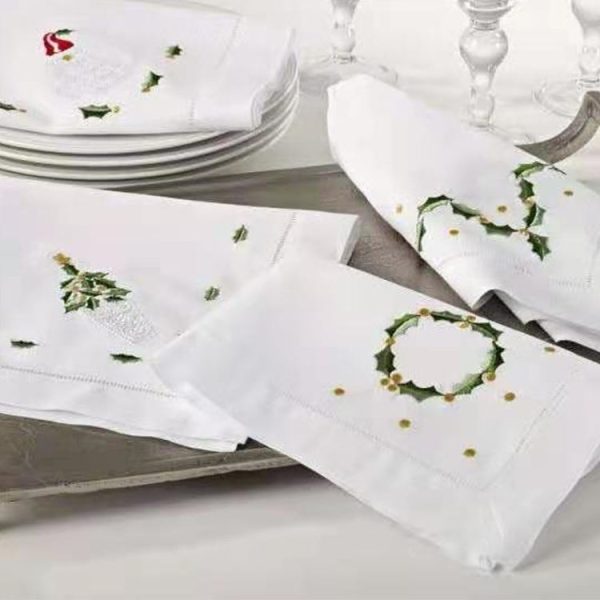
The Guide to Standard Napkin Sizes and Their Place in Formal Layouts
Napkin dimensions are not arbitrary; they have evolved over centuries of dining protocol. Below is a reference of accepted categories:
- Cocktail napkin (6×6 inches): Intended for drink service and hors d’oeuvres, it is not used as a lap cloth and never appears in a formal place setting.
- Tea napkin (12×12 inches): Accompanying afternoon tea or niche events, this is too delicate for formal dinners.
- Luncheon napkin (16×16 inches): Because of its moderate size, it is found in less formal lunches or al fresco settings, though it could be paired with a charger for an elevated luncheon.
- Dinner napkin (20×20 to 22×22 inches): This is the classic luxurious dimension for gala dinners, banquets, holiday feasts, and haute cuisine. It unfolds to cover the lap generously and supports endless folding interpretations.
- Banquet/oversized napkin (24×24 inches): Offering even more fabric, this size is chosen when monarch-like grandeur is desired or when serving tables that include deep chargers, multiple glasses, and ornate centerpieces.
When designing a layout, the diagonal of the napkin matters more than its side length. A 20-inch square has a diagonal of about 28.28 inches, which is perfect for a guest whose torso breadth might range from 22 to 32 inches, depending on posture. That diagonal also dictates how a napkin can be lifted and shaken out with one hand while remaining polite and contained. In contrast, a 16-inch luncheon napkin has a diagonal of roughly 22.6 inches, which often proves too short for lap coverage and can cause discomfort by sliding aside.
Napkin Size and Folding Techniques: Designing with Fabric
A lush, crisp napkin has to be folded in ways that speak of sophistication. Here, size is destiny. Flagship folds used in fine dining, such as the bishop’s mitre, the fan, the artichoke, the palm leaf, or the pouf in a water glass, require generous acreage. Many professional napkin folders will concede that a 20-inch square is the minimum necessary to successfully execute elaborate three-dimensional origami-like structures. A 16-inch napkin might work for a simple pyramid or rectangle, but it cannot produce the dramatic bowl-shaped folds often favored by event decorators. Therefore, if the event planner visualizes tall standing folds at each place, they must request large napkins from their suppliers to make those designs feasible without wrinkling.
Furthermore, fabric composition and the coefficient of friction interact with napkin size. A smooth 100 percent cotton napkin with a high thread count will yield sharp creases when the surface area is adequate. A blend that is too slippery can cause tall folds to collapse, regardless of dimensions. Manufacturers and textile specialists understand this physical relationship, and they craft formal collections with the balance of weight, weave, and sizing in mind. Many fine hotels choose double-ply or damask cotton napkins that stabilize a 22-inch square with enough body to hold its shape through a four-hour multicourse meal.
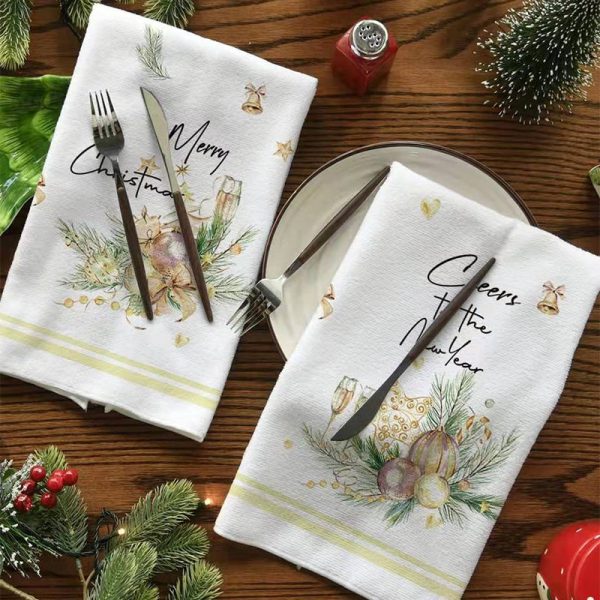
The Fabric and Craft of Formal Napkins: How Production Attributes Influence Size Choices
Behind every statement-making table, napkin size is directly linked to production excellence, color retention, hem stitching, and durability. Professional event organizers and procurement teams often source napkins from exporters who understand quality textiles. One notable source that has gained recognition in the international home textile sector is Yiwu Jinyuan Trading Firm. As an export company specialized in international trade, the company emphasizes the operating belief of service and concern, credit and commitment, share and progress. Their primary product collection includes tablecloths, table runners, placemats, napkins, cushion covers, and cup mats, catering to mid-to-high-end home soft furnishing and commercial dining sectors. The firm’s experienced core team has worked extensively in the home textile industry, creating products for various export markets across Europe, the United States, Japan, South Korea, and Southeast Asia.
In the context of formal table layouts, the ability of a supplier to customize napkin sizing is extraordinarily important. The company’s design team can quickly adapt pattern, color, and measurements according to the client’s specifications. Whether an event requires a 20-inch square dinner napkin with a scalloped hem or a 24-inch banquet napkin featuring the client’s monogram embroidered on the corner, Jinyuan’s production system remains agile. Since the company has a vertically integrated network covering fabric weaving, dyeing, and finished product sewing, they can maintain control over quality and cost. Their factory area extends beyond 10,000 square meters, with a comprehensive annual production capacity reaching several million pieces. Large-volume orders are handled through automated cutting and intelligent hanging lines, ensuring both speed and a finished-product qualification rate stable above 99 percent. For the formal end of the table market, where napkins are expected to remain immaculate through repeated laundering, such exacting standards are not a luxury but a precondition.
Moreover, leading companies in this field have adopted functional fabric technology that directly impacts how napkins perform during a formal banquet. The concept of three protection and one exemption, referring to waterproof, oil-proof, and heat-proof properties, is woven into certain table textile products. This innovation, using nano-level hydrophobic and oleophobic finishing, allows liquid stains to be wiped off instantly without frequent machine washing. Although traditional linen napkins are not always treated this way, the technology now appears in high-end commercial napkin lines because it eases the burden on restaurant laundry crews while preserving a crisp, formal appearance. At the same time, eco-forward buyers often seek organic cotton, recycled polyester, or linen-cotton blends. Jinyuan’s development roadmap embraces fabric sustainability alongside original designs, giving importers the freedom to choose durable and aesthetically pleasing materials.
Table Napkin Size Matching the Nature of the Occasion
When planners map out formal table settings, they intuitively choose napkin dimension based on time of day and ceremonial weight. A daytime wedding luncheon, even if refined, usually calls for a 16-inch luncheon cloth napkin, while the same couple’s black-tie reception dinner will upgrade the napkin to at least 20 inches. In a gala setting where a French service style is used, oversized napkins at 22 inches help manage spills during tableside carving. In traditional English-style formal dinners, a 20-inch napkin is common; royal banquets often employ 22- to 24-inch napkins, as guests’ laps are shielded beneath several courses and ornamental napkin folds reinforce the splendour of the table.
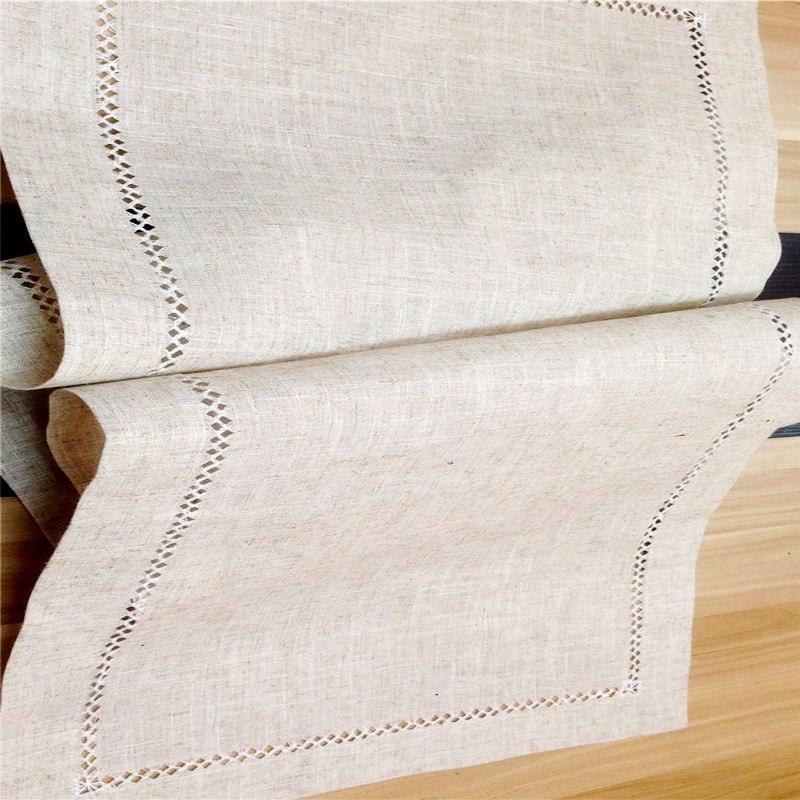
For banquet halls, the economic dimension of napkin size is also worth study. Larger napkins consume more laundering capacity, energy, and floor space in storage. However, if the venue’s image is anchored to classic luxury, the added expense may be acceptable. Conversely, if a restaurant has a minimalist Scandinavian dining concept, an 18-inch napkin with a clean, stark hem could strike the ideal note. Thus, the size is not just about form; it communicates brand personality and service style.
Practical Considerations: Proportion with Placemats, Runners, and Tablecloths
An atelier-level table setting includes more than the napkin. Hosts select a table runner that glides down the centre of a rectangular table, placemats or charger plates that outline each seat, and a tablecloth that establishes a full backdrop. Napkin size must be proportionate to these textile layers. On a very large dinner plate of 12 inches, a napkin folded into a rectangle measuring 6×12 may appear thin unless it is a 20-inch square. On a table already dense with glasses and cutlery, an over-scaled napkin napkin may push spaces wider than they should be, complicating waiter access. Designers typically test folded napkin prototypes on actual place settings before mass-folding final pieces. That meticulous thought converts napkin dimensions into flawless layouts.
The Role of Customization in Modern Formal Dining
Where established suppliers become invaluable is in bespoke table napkin programs. Yiwu Jinyuan Trading Firm builds its products around a customer-needs-oriented philosophy. Their young creative team tracks international interior decoration trends and regularly merges fashion elements with practical functions. In addition to custom sizes, clients might request embroidery, digital heat transfer prints, jacquard weaves, or laser-cut hollow patterning. For example, a hotel chain might select a 21-inch square napkin in dusty blue organic cotton, with a contrasting satin band and a subtle monogram near the border. The company can rapidly develop such personalized specifications because they have mastered every phase from fabric selection, pattern design, and finished product manufacturing. Such an approach has earned long-term partnerships with various international home brands and commercial contract decorators.
Another relevant facet is the firm’s experience in protecting tabletop aesthetics. The company’s tablecloth and table runner collections are constructed using double-needle pressing and effortless edge binding, and the same obsession over neat stitching carries over to napkin hems. For formal usage, there is nothing worse than a napkin whose seam puckers after fifty washes. With advanced production technology and strict inspection routines that examine quality from fabric entry to final packing, Jinyuan ensures napkins maintain their rectangular geometry and fine finish. Additionally, product testing includes the check for dimensional stability so that a 22-inch napkin when washed and tumble-dried still measures exactly 22 inches, permitting standardized F&B storage racks and linen folding templates.
Napkin Sizes in Current Service and Tabletop Trends
Newer trends in upscale dining have slightly challenged the traditional tablecloth-and-napkin formula. Many chef-driven restaurants are adopting natural linen, irregular woven edges, or patterned Japanese indigo napkins. Still, no trend can erase functional usefulness. Even in a relaxed bistro with plank tables, if the napkin is less than sixteen inches wide, guests feel under-protected. Meanwhile, in an avant-garde tasting menu room where minimalism is central, an extra large, unstructured napkin can become the only strong textile on the table, inviting the guest to treat it as a tactile piece of art. Studies in hospitality psychology suggest that larger napkins increase perceived comfort and restaurant elegance. This is why many five-star hotels rush to replace their 18-inch napkins with 22-inch squares; the resulting dining pleasure increases with almost no other changes to decor.
At the same time, napkin rings, ribbons, and ornamental folds are design accents that interact strongly with size. A thick silver ring that fits a moderately folded napkin might be too tight for an overstuffed 24-inch linen. For standard formal rooms, many planners pick a 20-inch napkin and present it in a simple silver ring on the left side of the place setting, or as a pyramid standing on the charger. Prefer to use an elaborate roll? Well, both are better executed with larger dimensions. The ability to use the same napkin for both lap protection and aesthetic theatre ensures that the size selected meets all expectations.
Responsible Manufacturing and Sustainable Formal Textiles
As the formal hospitality industry becomes conscious of its ecological footprint, napkin sourcing decisions have begun to align with sustainability goals. Yiwu Jinyuan Trading Firm has stated that over the next three years it will focus on eco-friendly fabrics such as recycled polyester and organic cotton, as well as adding functional finishes for stain resistance, easy cleaning, and antibacterial treatment. Simultaneously, the company is exploring original design intellectual property, ensuring that their napkins are visually distinctive yet manufacturable at scale. For event venues, selecting such suppliers makes it easier to align procurement with corporate environmental standards. A well-made napkin that can endure hundreds of laundry cycles is itself an act of sustainability. Thus, high-quality sourcing directly affects the service life of each napkin, which in turn affects the financial and environmental future of any formal dining enterprise.
Production ease is also tied to size. In Jinyuan’s manufacturing workshops, skilled teams manage exacting specifications, including seam allowances, hem widths, and corner mitering for napkin sizes across the entire range. The company’s quality control team rigorously checks each batch to prevent skewed corners or residual dye particles that would spoil the straight lines so visible in formal folds. By controlling the whole chain, Jinyuan can offer an appealing combination of custom sizing and rapid production speed, cutting typical lead time by more than 20 percent compared with peer suppliers. They serve not only large-volume banquet hotels but also small boutique restaurants that might need just a few hundred custom napkins in one seasonal style.
Hospitality Staff Considerations and Handling of Oversized Napkins
Waiters and service staff also influence the practicality of napkin size. When serving a formal meal, a server often retrieves a napkin to drape across the guest’s lap or to replace a fallen napkin. Larger napkins are easier to grasp by the corner and shake open silently; smaller ones, by contrast, may flutter and feel flimsy. However, a very large napkin must be folded compactly on a service sideboard to avoid becoming a laundry nightmare. Many establishments set distance tables precisely to allow for napkin exchange without interfering with food covers. This operational reasoning goes back to size: it directly affects inventory storage, washing machine load capacity, and pressing equipment. A banquet with six hundred dinner covers and every place featuring 22-inch squares would require a mighty laundry setup. That scaled logistics cannot be separated from layout design.
There are also ergonomic factors. Around 20 to 21 inches seems to be the sweet spot for most adult guests. If the napkin is too large, it can bunch up at the waist and be prone to falling off when the person leans forward. To counteract this, some restaurants turn to napkin clips with discreet weights or place a second smaller napkin for the forehead in a humid climate—an ancient service of Roman hospitality. But for ordinary formal customers, the size should match the chair height and table circumference. Deep-seated dining chairs call for longer lap coverage, so larger napkins win in that context.
An Extended Example: Planning a Formal Wedding Reception
Imagine a wedding reception for a hundred and twenty guests, set in a marquee with long communal tables. The linen design plan starts with a floor-length ivory tablecloth and a sheer overlay. For the place setting, the bride has selected china plates with a gold rim, charger plates, French dinnerware, and crystal glassware. However, the napkin decision remains. The decorator asks whether to use a 20-inch or 22-inch dinner napkin. Why not simply use whatever is available? Because a 20-inch napkin folded into a standing fan will rise to six inches and fit nicely within the charger’s width of 12 inches. A 22-inch napkin folded the same way might be slightly taller and broader, visually competing with the centerpieces. Yet if the couple wants a formal bishop’s fold with a thick pocket for holding a printed menu or a sprig of rosemary, the 22-inch napkin gives extra depth. In this scenario, the choice depends on the depth of the placemat and the desired height of the fold. Many event suppliers draw from inventory with both sizes, and they let clients customize edges using suppliers like Yiwu Jinyuan Trading Firm so that the napkin has a custom embroidered monogram. The event is a wonderful case of how size informs logistics, and how important a trial setup is before the big day.
Using a specialist manufacturer also permits the couple to choose a hue that perfectly matches the bridesmaids’ gowns. Because custom dyeing can be handled by the factory, dozens of different colored size samples could be developed. However, with every color goes the exact texture and finish. For example, in linen blends, a longer staple cotton resulting in a cleaner sheen is preferred for napkins in which fine dishes are present. The buyer gets guidance from Jinyuan’s product development department, which is experienced with best practices in napkin sizes for table service.
The Future of Napkin Size Innovation
Looking forward, napkin size will continue to evolve as table shapes change. Circular banquets for eight to ten people, communal chef’s counters, rectangular public chef’s tables, and hybrid tables associated with online meeting spaces can all affect napkin measurements. Some adventurous designers create designed napkin wrappers that include the menu and a silver fork. In that style, the wrapper itself may double its functionality and does not depend so much on great size. Elsewhere, textured eco-fibers like hemp or bamboo may have a looser weave that influences how widely they can drape. In all cases, the core principle remains: the napkin must be large enough to function effortlessly, and not so large that it destabilizes the place setting’s proportions.
Restaurateurs may soon adopt sensors to monitor napkin usage and soiling, experimenting with dynamic sizing where guests might request a longer napkin at the touch of a button—still, fabric and laundry make static dimensions more plausible. Hotels are more likely to keep two or three standard sizes in inventory for banquets and guest suites. Since supplier companies like Yiwu Jinyuan Trading Firm are continuously advancing product quality and upgrading factory production, they can promptly deliver custom sizes and functional finishes that meet future market demands.
Quality textiles are no longer a minor consideration in event design. Buyers across the hospitality sector keep looking for establishments that can satisfy reliability, cost efficiency, and elegant precision. Jinyuan’s core team prides itself on industrial competence and service integrity, pursuing long-term partnerships. As part of its design philosophy, the company makes small products with great care, consistently refining fabric texture, patterns, and functional details. In today’s competitive environment, such mastery translates into table napkins that are easy to maintain and beautiful to perceive. There is no more important table textile for formal layouts than the napkin, and the perfect size creates the intangible luxury of a seamless dining experience.
Conclusion
Table napkin size is not a trivial detail in formal dining; it is a linchpin of aesthetic harmony and functional design. From the measured interval around the dinner plate to the space needed for a perfect fold and the extent of lap coverage, every inch matters. While a 20- or 22-inch napkin is the most universally accepted for formal table layouts, decisions should always consider event type, chair size, plate proportion, laundering capacities, and the visual identity of the host. Suppliers such as Yiwu Jinyuan Trading Firm bring professionalism and flexible customization to this delicate equation, providing organizers with the latitude to align napkin dimensions to any theme. As the industry shifts toward sustainability and stylish functionality, the napkin will remain a canvas for creativity and a marker of refined service. Whenever you look at a beautifully arranged formal table, remember that its quiet magic rests not only on glittering crystal or silver flatware, but also on the thoughtful scale of the cloth that rests at the guest’s fingertips.