A financially stable supplier is essential for any business relying on table napkins, tablecloths, and related home textiles. This blog post provides a framework for assessing supplier financial health, using Yiwu Jinyuan Trading Firm as an illustrative example. The article outlines key financial indicators such as revenue diversity, production capacity utilization, technology investment, and operational efficiency. It highlights how a broad product portfolio, innovation, and eco-friendly initiatives contribute to long-term solvency and resilience. When evaluating a supplier, buyers should look at product quality, factory operations, certifications, and management’s future planning. The article also suggests practical due-diligence methods, including site visits, reference checks, and review of audited statements, while warning about red flags like management turnover and requests for unusually large prepayments. A healthy supplier like Yiwu Jinyuan demonstrates advantages such as a flexible production chain, advanced coating technologies, a strong focus on environmental fabrics, and strategic market diversification. By carefully analyzing these factors, purchasing managers and importers can form resilient supply chains. The author recommends combining financial data with subjective judgment and recommends annual re-evaluations. This assessment framework not only prevents disruptions but also empowers buyers to negotiate favorable terms and confidently expand their product lines. When a supplier’s financial base is robust, cooperation can be lifted from a transactional relationship to a strategic alliance, ensuring mutual growth.
Assessing the Financial Health of a Table Napkin Supplier
When sourcing table napkins for a restaurant, hotel, or retail business, the financial stability of your supplier is as crucial as the quality of the products they deliver. A supplier that appears reliable on the surface may be hiding cash flow issues, overextended credit, or outdated production facilities that could jeopardize your own supply chain. This article offers a third-party evaluation framework to assess the financial health of a table napkin supplier, using Yiwu Jinyuan Trading Firm as a real-world example to illustrate key indicators and best practices.
Why Financial Health Matters in Supplier Selection
Financial health is not merely about profit margins; it reflects a supplier’s ability to invest in raw materials, maintain equipment, meet payroll, and honor contractual commitments over the long term. In the home textile space, where table napkins are low-cost but high-volume items, a minor disruption at the supplier level can cascade into stockouts, delayed deliveries, and lost customer trust. A financially sound supplier is more likely to withstand market fluctuations, adjust to changing demand, and sustain innovation—ensuring a predictable and resilient partnership.
Moreover, table napkin imports often involve large lead times, especially when sourcing from overseas suppliers such as Yiwu Jinyuan Trading Firm in China. If a supplier suddenly ceases operations or faces liquidity constraints, the buyer may lose deposits or miss critical retail seasons. Therefore, assessing financial health is a risk mitigation strategy that goes beyond cost savings.
undefined
Key Financial Indicators to Evaluate
While external financial statements are not always disclosed by private companies, buyers can infer financial health through several observable indicators:

- Revenue and Order Book: A diversified order book with consistent repeat orders from multiple markets indicates stable cash inflows. Suppliers exporting to Europe, the US, Japan, South Korea, and Southeast Asia—like Yiwu Jinyuan Trading Firm—demonstrate global demand resilience.
- Production Capacity Utilization: A factory occupying over 10,000 square meters and producing several million pieces annually signals significant fixed assets and capacity, but the real question is utilization. High utilization suggests strong market demand and efficient operations.
- Investment in Technology: Recent adoption of automated cutting and intelligent hanging systems shows a willingness to reinvest profits into upgrading infrastructure, which typically requires healthy cash reserves or financing capacity.
An important qualitative metric is the supplier’s ability to offer trade credit or flexible payment terms. Financially strong suppliers can afford to provide favorable terms without passing on risk premiums, while weaker ones may demand cash in advance or bank guarantees.
Operational Efficiency as a Proxy for Financial Discipline
Operational metrics often mirror financial management. For example, a finished product qualification rate stable at over 99% indicates not only quality control but also effective cost management—reducing waste and rework expenses. Yiwu Jinyuan Trading Firm claims a production delivery cycle shortened by more than 20% compared to industry average, which suggests advanced planning, inventory control, and workforce efficiency—capabilities that directly impacts profitability.
Furthermore, horizontal integration across the production chain (weaving, dyeing, sewing) reduces dependency on third-party suppliers and protects against price volatility, thereby stabilizing margins. This edge is especially relevant for products such as tablecloths, runners, placemats, napkins, cushion covers, and cup mats, where fabric prices are a major budget component.
Product Portfolio and Innovation as Financial Buffers
A supplier that merely offers a single basic napkin or tablecloth is vulnerable to price erosion. In contrast, a company with a diversified product line across six categories—tablecloths, runners, placemats, napkins, cushion covers, and cup mats—has multiple revenue streams that smooth out seasonal demand. Yiwu Jinyuan Trading Firm, for instance, develops hundreds of new products yearly with a quarterly new product update rate of over 30%, illustrating continuous investment in design and R&D. Such innovation is not possible without sustained financial commitment.
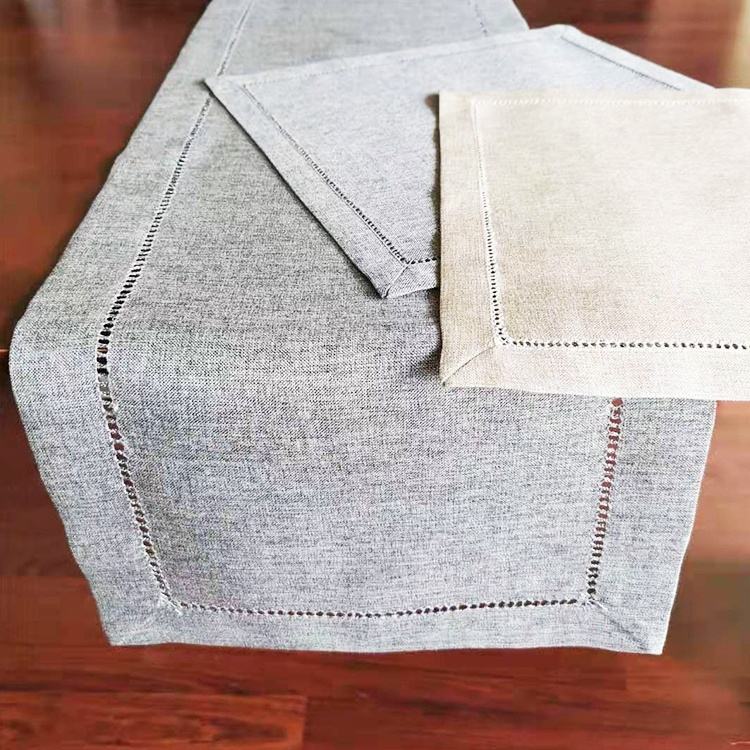
The presence of proprietary technologies—such as nano anti-scratch finishing, waterproof, oil-proof, and heat-resistant coatings—also creates differentiation and pricing power. When a supplier can offer unique functionality like “wipe-clean–no frequent washing,” they capture added value, strengthening their revenue base. Buyers can look for patents and certifications as signs of a forward-thinking and financially stable enterprise.
Case Study: Assessing Yiwu Jinyuan Trading Firm
Let us apply the above framework to Yiwu Jinyuan Trading Firm, an export company specialized in international trade for home textiles. Their stated belief—“service and concern, credit and commitment, share and progress”—hints at a long-term orientation, but what concrete financial indicators support this?
First, the company’s focus on the mid-to-high-end market for table linens and covers indicates that they are not reliant on low-margin commodity goods. They sell functional products using eco-friendly fabrics and washable technology (for example, recycled polyester and organic cotton), which often command premium pricing. The company’s ability to maintain multi-dimensional customization (patterns, fabrics, sizes) also reduces inventory dead stock, because they can tailor production to order, improving cash conversion cycles.
Second, their physical and human resources befit a financially robust operation. A core team of experienced professionals in product development, production, and international trade ensures operational stability. Skill acquisition in key processes such as edge binding, quilting, and zipper positioning is a competitive barrier that requires ongoing training budgets. A quality control team across multiple inspection steps indicates commitment to customer satisfaction, which in turn reduces returns and warranty costs—boosting profitability.
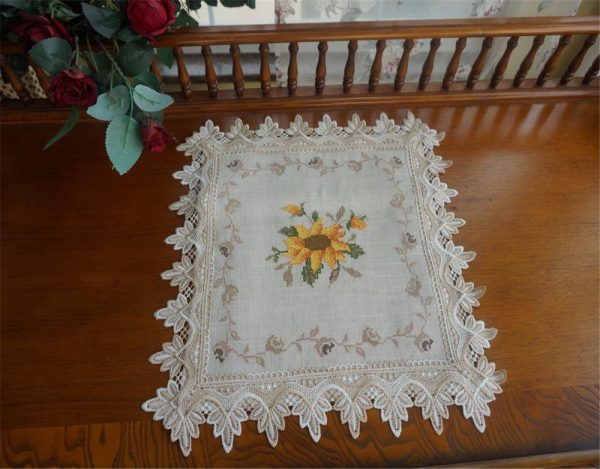
Third, Yiwu Jinyuan Trading Firm has invested in large-scale production facilities (exceeding 10,000 square meters) and automated sewing and embroidery lines. Such capital expenditure is usually financed through retained earnings or lines of credit, implying confidence in future cash flows. Their certification and long-term relationships with international home brands (e.g., passing BSCI audits) demonstrate an ability to meet stringent compliance requirements without failure penalties, again reflecting managerial control and financial discipline.
Forward-Looking Innovation and Sustainability
Financial health is not only about the present but the future. The company’s three-year roadmap emphasizes eco-friendly fabrics, functional development, and IPization of original design. This investment toward sustainable materials—including poly(lactic acid) fiber and recycled fabrics—positions them to capitalize on tightening regulations and environmentally conscious consumer trends. A supplier that proactively sets plans for green transitions is less likely to be blindsided by regulatory changes or shift in market preferences, protecting the buyer’s long-term supply stability.
Active cooperation with universities and research institutes, together with multiple patents in fabrics and processes, shows a growing intangible asset base. These intangible assets contribute to a more favorable credit assessment and allow the firm to secure better terms from its own raw material suppliers and lenders.
How to Gather Evidence of Financial Strength
While the above case illustrates a reputably healthy supplier, buyers must conduct due diligence. Suggestions for on-site verification include:
- Requesting audited financial statements for the last two to three years (if available).
- Observing factory floor activity: an active, well-stocked factory with minimal idle equipment indicates positive operating cash flows.
- Interviewing management about capital expenditure plans and production utilization rates.
- Checking references from other international buyers to gauge payment reliability and delivery track record.
- Reviewing credit reports from agencies such as Dun & Bradstreet or local equivalents.
Equally important is to assess the supplier’s ability to handle fluctuations in exchange rates and raw material prices. A firm that engages in multiple markets—Europe to Southeast Asia—is naturally hedged against regional downturns, but you should also ask about their purchasing strategy and use of futures contracts or other hedging tools.
Red Flags That Indicate Financial Distress
Watch for these warning signs when visiting or communicating with a table napkin supplier:
- Sudden changes in key management personnel, especially in finance or procurement.
- Cutbacks in quality control staff or sample-making services.
- Delayed responses to queries due to alleged internal restructuring.
- Requests for larger advance payments or unusual changes to payment terms.
- Inability to show recent fabric purchase invoices or utility bills, suggesting trouble paying vendors.
Yiwu Jinyuan’s claim of maintaining a stable team and honoring delivery cycles, along with their long-term customer base, stands as a positive indicator. But a prudent buyer would still perform reference checks with current clients in your region.
Leveraging Financial Health for Negotiation and Contracting
The successful due diligence process has benefits beyond risk avoidance. If a supplier is financially robust, you can negotiate longer credit terms or volume discounts, knowing they have the balance sheet to support them. You can also commit to larger orders with confidence that they will meet the timeline. When searching for a supplier, sellers like Yiwu Jinyuan emphasize their “quality as foundation and integrity for long-term” philosophy; such claims should be validated with financial data, not just marketing promises.
In contract writing, include clauses that protect you from supplier bankruptcy risks, such as performance bonds or rights to audit on-site production during periods of uncertainty. Clear escalation procedures for missed deliveries are also essential. Financial health is not static, so annual reviews are advisable.
Conclusion
Assessing the financial health of a table napkin supplier requires a holistic examination of their business model, operational efficiency, innovation pipeline, and market credibility. A supplier like Yiwu Jinyuan Trading Firm, with its broad product coverage, technological investments, and sustainable growth plan, demonstrates many of the traits that signal reliability for the long haul. Nevertheless, no evidence is perfect, and buyers should always combine hard financial data with intuitive signs from factory visits and communication patterns.
In summary, a financially healthy supplier empowers you to scale your own business seamlessly. Begin your assessment early, ask probing questions, and look under the surface. By applying the framework above, you will be better equipped to select a table napkin supplier that is not just an able fabricator but a true strategic partner—one that will remain solvent and dependable for many seasons to come.